






The Great Escape from the Heat
For decades, the Indian holiday calendar followed a familiar rhythm. Summer breaks meant trips to nearby beach destinations like Goa, or perhaps a short-haul flight to Dubai or Thailand. But as temperatures in Indian cities soar to unbearable, life-threatening
highs—often surpassing 110°F (43°C) for weeks on end—that rhythm has been broken. A new travel trend, born of necessity and opportunity, has emerged: a mass exodus toward cooler climes. Travel agencies and booking platforms are reporting a massive pivot in consumer demand. Searches for destinations in Switzerland, France, Norway, and Finland have skyrocketed, in some cases by over 50%. It's a clear signal that the primary motivation for travel is no longer just sightseeing or shopping; it's escaping the oppressive heat. This isn't a niche trend for the ultra-wealthy. India's rapidly growing middle and upper-middle classes, armed with increased disposable income and a post-pandemic urge to travel, are leading the charge. They’re trading the risk of heatstroke for the certainty of snow-capped mountains and crisp, alpine air.
From Southeast Asia to Scandinavia
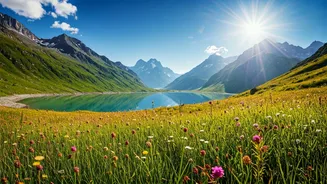
The data tells a compelling story of changing desires. According to reports from online travel agencies like MakeMyTrip and Agoda, interest in traditional Southeast Asian hotspots has cooled, literally and figuratively. While still popular, they are being challenged by a surge of interest in Europe. Switzerland, with its iconic mountains and pristine lakes, has become a top choice. Tour operators have seen bookings for Swiss packages multiply, with many travelers explicitly mentioning the pleasant weather as their main draw. Similarly, the fjords of Norway and the cities of Scandinavia are experiencing a boom in interest from the Indian market. These destinations, once considered off-the-beaten-path for many, are now central to the summer travel conversation. The shift is also happening domestically. Instead of the sweltering plains, travelers are flocking to mountain states like Himachal Pradesh, Uttarakhand, and Kashmir. Hill stations are packed to capacity as families seek refuge in the cooler, higher altitudes. This domestic migration puts pressure on local infrastructure but underscores the universal desperation to find relief.
More Than Just the Weather
While climate change is the primary driver, other factors are enabling this trend. The first is economic. A decade of steady economic growth has empowered millions of Indians with the financial means to afford long-haul international travel. A trip to Europe is no longer a once-in-a-lifetime event for a growing segment of the population. The second factor is improved connectivity. Increased flight routes and more competitive airfares have made destinations like Zurich and Oslo more accessible than ever before. Visa processing has also become more streamlined for popular European countries, lowering the barrier to entry. Finally, social media plays a crucial role. Images of friends and influencers enjoying a pleasant 65°F (18°C) day in a European village while it's 115°F back home in Delhi or Mumbai is a powerful motivator. This visual contrast creates a strong sense of FOMO (fear of missing out) on comfort and well-being, turning a pleasant holiday into an essential escape.
A Preview of Global Tourism's Future
The choices being made by Indian travelers are not just a regional story; they are a canary in the coal mine for global tourism. As extreme weather events become more common worldwide, we are likely to see this pattern repeat itself. The very concept of a "summer vacation" is being redefined. For Americans and Europeans, it might mean swapping a trip to the increasingly scorching Mediterranean in August for a visit in May, or choosing destinations like Canada or Northern Europe instead. This phenomenon, dubbed "cool-cationing," is set to scramble the travel industry. Destinations that built their economies on guaranteed summer sun may find themselves struggling, while cooler regions could see an unexpected tourism windfall. Airlines, hotels, and tour operators will have to adapt, rethinking seasonal pricing, marketing strategies, and even the destinations they serve. The Indian traveler's quest for a cool breeze is a powerful indicator of how climate change will directly impact our leisure, our economies, and our fundamental decisions about where we go to find rest and adventure.