






More Than a Farmers' Market
Step away from the city’s notorious traffic and into a space humming with a different energy. This isn’t your typical American street fair with a few token green vendors. Here, at events like the beloved Bhoomi Habba ('Earth Festival'), the air is thick
with the scent of fresh millet dosas, earthy clay, and fragrant spices. The soundtrack is a mix of traditional folk music, children’s laughter, and earnest conversations about water conservation. You won’t find plastic water bottles or disposable plates. Instead, attendees carry their own steel cups and eat off plates made of stitched leaves. It’s a full-sensory immersion into a world where sustainability isn’t a niche hobby but a collective, joyful celebration.
The Philosophy of 'Habba'
To understand the event, you have to understand the word 'habba'. In Kannada, the local language, it means festival or celebration. This framing is crucial. These gatherings aren't positioned as sterile environmental summits or purely commercial markets. They are rooted in the cultural tradition of celebration, bringing people together for a shared purpose. Organized by NGOs like Visthar, a local social justice organization, the goal is twofold: to provide a platform for rural artisans and organic farmers to sell their goods directly to urban consumers, and to foster a space for dialogue and learning. It’s a conscious rejection of corporate-led, top-down environmentalism in favor of something more organic and democratic.
A Marketplace of Ideas
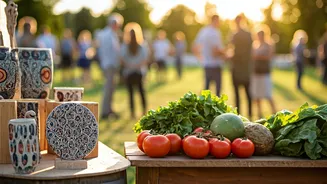
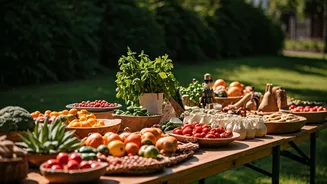
While you can certainly leave with bags full of handmade pottery, organic vegetables, and handwoven textiles, the most valuable takeaways are often intangible. The schedule is packed with more than just shopping opportunities. One corner might host a pottery workshop where kids learn to shape clay. Another features a group making 'seed balls'—seeds packed in mud and compost—to be tossed onto barren land before the monsoon rains. There are film screenings about ecological crises, panel discussions with local activists, and puppet shows that tell stories of environmental stewardship. This rich tapestry of activities transforms passive consumers into active participants. The festival becomes a living classroom and a hub for networking among like-minded citizens, artists, and farmers.
The People Behind the Movement
The true magic of the festival lies in the connections it forges. You see urban families talking directly with the farmers who grew their food, learning about the challenges of organic agriculture. You see young software engineers sitting side-by-side with elderly artisans, learning about a craft that has been passed down for generations. The event breaks down the anonymity of the modern city and the long supply chains that separate us from what we consume. It’s a powerful reminder that the environmental movement is, at its core, a human movement. It's driven not by abstract data points, but by individuals dedicated to preserving their culture, their land, and their community’s well-being.