


A Mythical Meadow in the Clouds
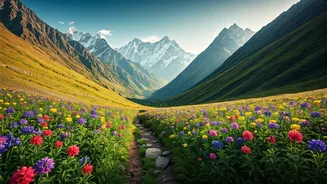
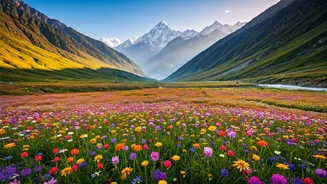
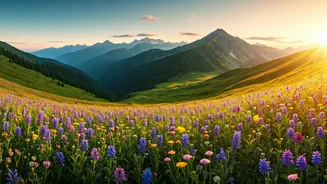
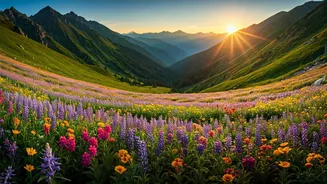
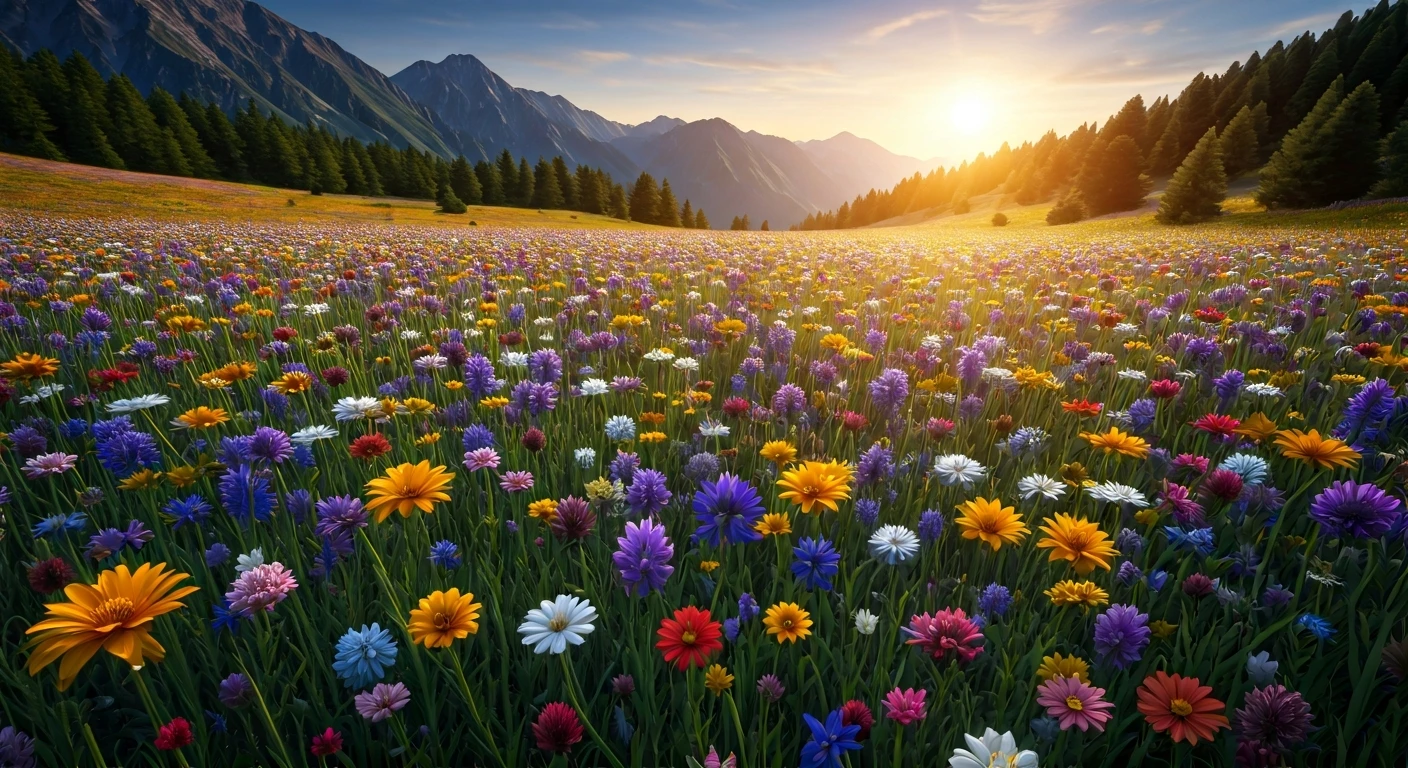
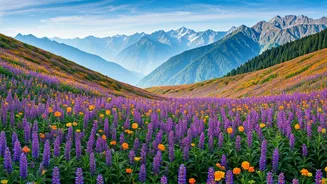
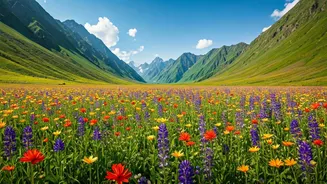
Tucked away in the Chamoli district of Uttarakhand, India, the Valley of Flowers National Park is the stuff of legends. For most of the year, it lies dormant under a thick blanket of snow. But as the summer monsoon arrives, the valley floor erupts with
hundreds of species of alpine flowers, creating a vibrant, otherworldly landscape at an altitude of over 11,500 feet. This isn't just a pretty field; it's a botanical wonderland so significant it was named a UNESCO World Heritage site. British mountaineer Frank S. Smythe stumbled upon it in 1931, and his book introduced this “lost valley” to the world. Today, it remains a place of profound natural beauty, a protected core zone where human settlement is forbidden, preserving its pristine character.
Timing Your Technicolor Dream
The headline says it all: the window is tight. The trek typically opens to the public on June 1st and closes during the first or second week of October, as snowfall begins to reclaim the high passes. While the entire period is accessible, the sweet spot for peak bloom is from mid-July to mid-August. This is when the monsoon rains are most active, which might sound like a drawback but is precisely what fuels the explosion of flowers like the Himalayan blue poppy, cobra lily, and countless varieties of balsam and orchids. Visiting in June offers clearer skies but a greener landscape, while September brings the beginning of autumn hues and a different kind of beauty as the floral wave recedes.
The Journey to the Trailhead
Getting to the Valley of Flowers is an adventure in itself, especially for travelers from the U.S. The journey begins with a flight to New Delhi, followed by a domestic flight or train to Dehradun or Rishikesh. From there, it’s a multi-day road trip into the mountains. Most trekkers use Joshimath as a staging town to acclimatize. The actual trek starts from the village of Govindghat (or more recently, Pulna, a few kilometers further by road). This isn’t a weekend getaway; it’s a pilgrimage to a remote corner of the planet. Plan for at least two days of road travel from Rishikesh just to reach the trailhead, embracing the journey as part of the experience.
What the Trek Itself Is Like
The trek is generally considered moderate in difficulty, but the altitude is the main challenge. From the starting point, the first day is a scenic 6-mile hike along the roaring Pushpawati River to the small village of Ghangaria. This is the only base for exploring the area, offering basic guesthouses and restaurants. You'll spend the night here to acclimatize. The next day is the main event: the 3-mile walk from Ghangaria to the entrance of the Valley of Flowers. After paying a permit fee, you enter the valley itself, where the trail flattens out into an easy, breathtaking walk. You can spend hours wandering amidst the blooms before returning to Ghangaria, as overnight stays in the valley are not permitted.
Bonus Trek: The Sacred Lake of Hemkund Sahib
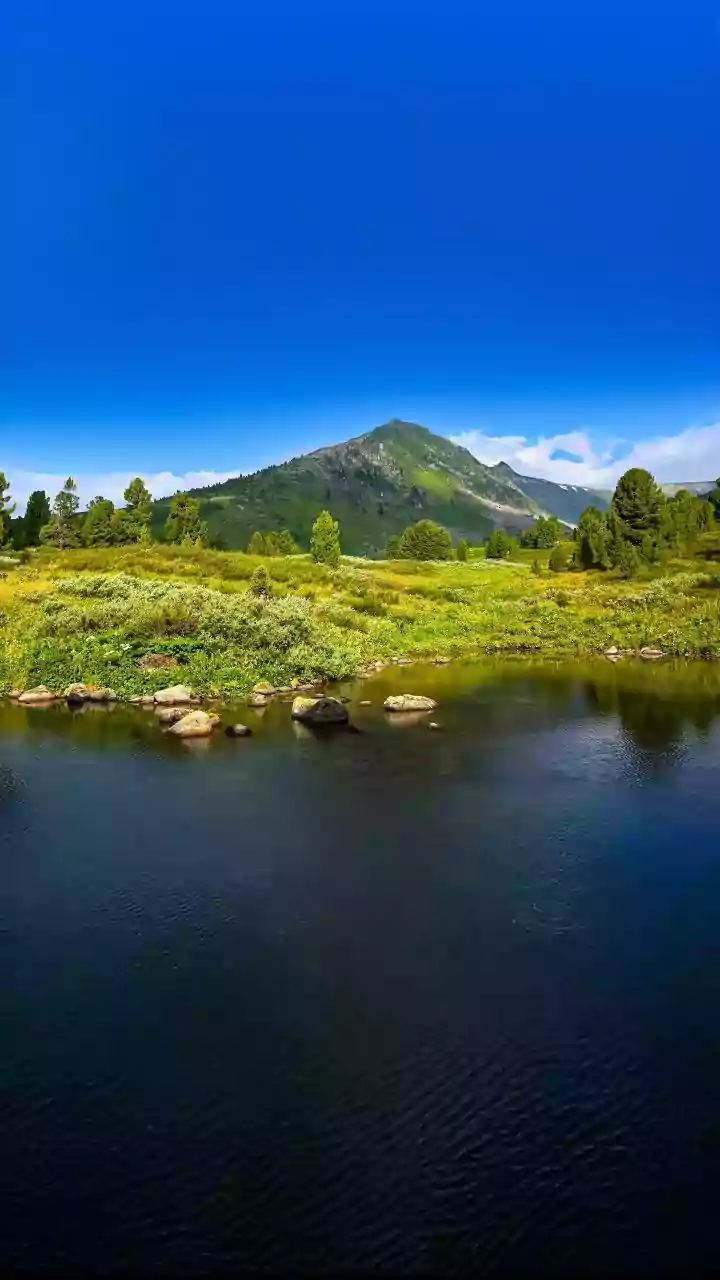
Sharing a base camp at Ghangaria offers a unique opportunity for a powerful side trip. Many trekkers use an extra day to make the steep, challenging ascent to Hemkund Sahib. This is one of the most revered Sikh pilgrimage sites in the world, situated beside a stunning high-altitude glacial lake at over 15,000 feet. The path is tough and the air is thin, but the reward is a profound spiritual and scenic experience. The combination of the ethereal beauty of the Valley of Flowers with the deep cultural significance of Hemkund Sahib makes for an unforgettable Himalayan journey.
Essential Gear and Final Tips
Success on this trek comes down to preparation. Pack light, but pack smart. Essential gear includes sturdy, waterproof hiking boots with good ankle support, a reliable rain jacket and pants (this is monsoon country), and warm layers that you can add or remove easily. The sun can be intense at altitude, so bring a hat, sunglasses, and sunscreen. Carry enough cash, as ATMs are unreliable in the mountains. While it's possible to do the trek independently, hiring a local guide or porter in Joshimath or Govindghat not only makes the journey easier but also supports the local economy and provides valuable on-the-ground knowledge.