


Understanding the Monsoon Cycle
For American travelers accustomed to four distinct seasons, India’s monsoon cycle is the most important calendar to understand. In Maharashtra, this isn’t just a little rain—it’s a transformative event that dictates the rhythm of life and travel. The
season typically arrives in early June and departs by late September or early October. It turns the landscape a vibrant, emerald green and replenishes the water supply, but it also brings intense downpours, high humidity, and potential travel disruptions. Rather than a single “good” or “bad” time to visit, think of the year in three distinct phases: pre-monsoon, peak monsoon, and post-monsoon. Each offers a completely different experience.
The Pre-Monsoon Build-Up (April – May)
This is the “shoulder season,” but it comes with a major caveat: intense heat and humidity. Temperatures, especially in cities like Mumbai and Pune, can soar, making extensive daytime sightseeing a sweaty and draining affair. However, for the heat-tolerant traveler, there are upsides. Tourist crowds are thinner, and you can often find better deals on flights and hotels. This is a good time for indoor activities—exploring Mumbai’s world-class museums, art galleries, and restaurants—or for visiting the cooler, higher-altitude parts of the state before the rains make access tricky. It's a period of anticipation, a last gasp of dry weather before the dramatic arrival of the clouds. Pack light, breathable clothing, stay hydrated, and plan your outdoor activities for the early morning or evening.
Embracing the Peak Monsoon (June – September)
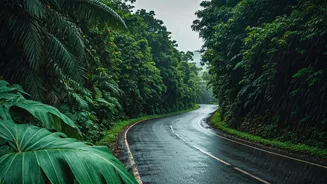
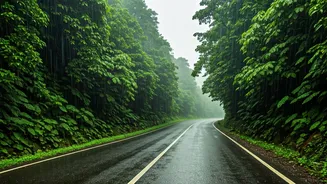
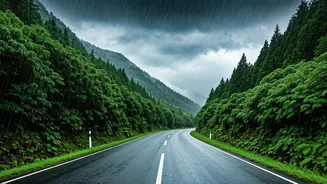
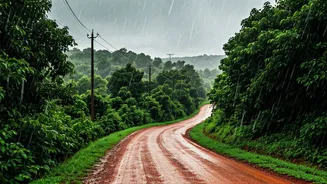
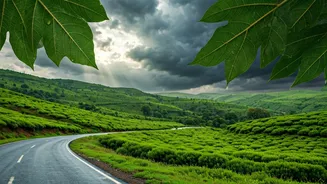
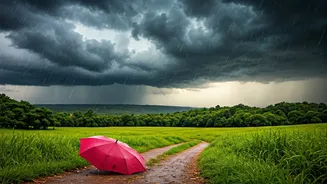
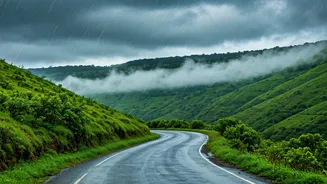
This is when Maharashtra is at its most dramatic and atmospheric. The first rains, or ‘pre-monsoon showers,’ break the heat and bring a sigh of relief. The parched earth transforms into a lush carpet of green, waterfalls cascade down the hills of the Western Ghats, and a romantic, misty haze settles over the landscape. For photographers and nature lovers, this is a magical time. Hill stations like Lonavala, Khandala, and Matheran become prime weekend getaway spots for locals, teeming with life. However, this beauty comes with challenges. In Mumbai, heavy downpours can lead to significant waterlogging, snarling traffic and sometimes causing flight delays. Trekking in the Western Ghats can be risky due to slippery paths and the potential for landslides. Coastal areas may experience rough seas, limiting beach activities. If you choose to travel during the monsoon, embrace the chaos. Pack a sturdy umbrella, waterproof shoes, and a flexible itinerary. The reward is seeing the region in its most vibrant and rejuvenated state.
The Post-Monsoon Sweet Spot (October – February)
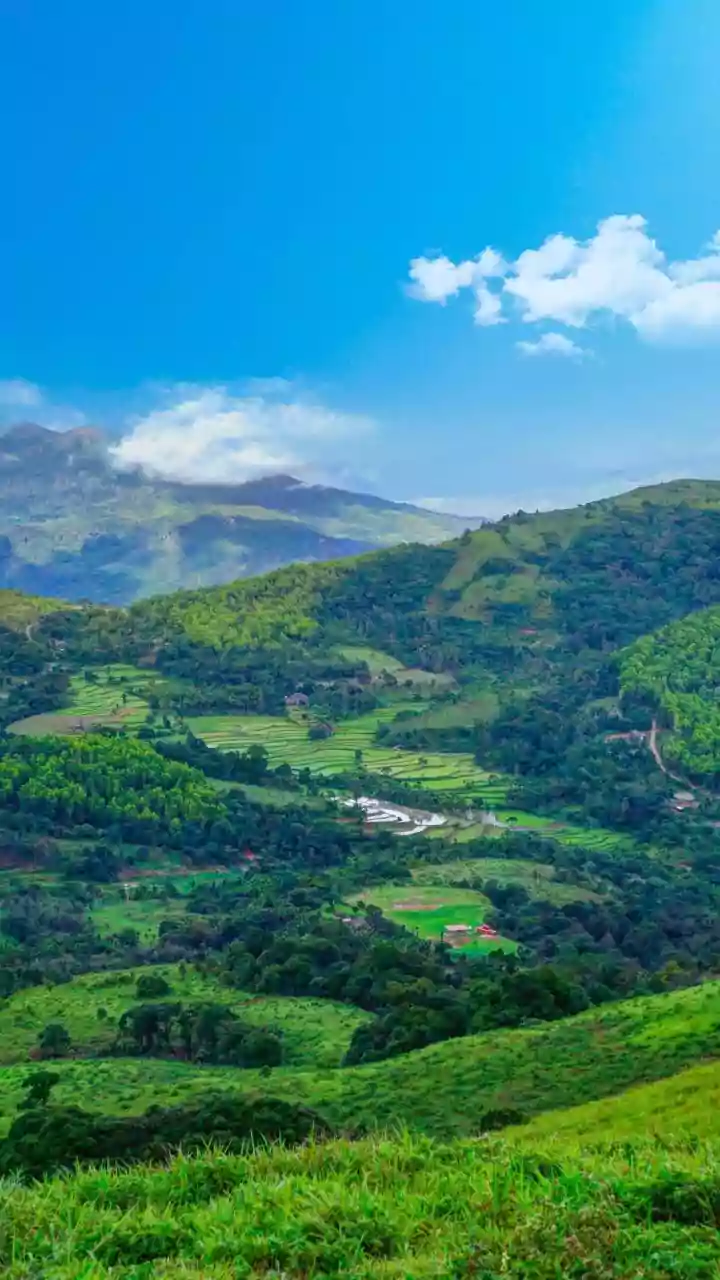
Ask any seasoned traveler, and they’ll tell you this is the prime time to visit Maharashtra. The rains have passed, washing the air clean and leaving behind a world of breathtaking greenery. The weather becomes pleasant, with clear blue skies and comfortable, cooler temperatures, especially from November onward. This is the ideal season for almost any activity. The trails in the Western Ghats are safe and spectacular for hiking and trekking. The famous Ajanta and Ellora caves are comfortable to explore. The beaches along the Konkan coast are sunny and idyllic. Festivals like Diwali often fall within this period, adding a layer of cultural richness to your visit. Because it's the best time to travel, it’s also the busiest and most expensive. You’ll need to book flights and accommodations well in advance, especially around major holidays. But for the perfect blend of comfortable weather and stunning, post-monsoon scenery, this window is unbeatable.