


The Rise of the ‘Coolcation’
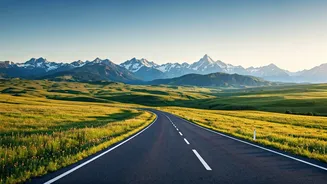
The classic American summer road trip—often to a sweltering national park or a bustling, sun-drenched city—is getting a serious rethink. Travel experts have even coined a term for the new trend: the ‘coolcation.’ Instead of booking trips to Phoenix, Las
Vegas, or Miami in July, tourists are increasingly searching for destinations where they can comfortably spend time outdoors without risking heatstroke. This isn't just about avoiding a little sweat; it’s a direct response to a new reality. With heat domes and ‘unprecedented’ temperature warnings becoming an annual summer fixture, the very definition of a desirable vacation spot is changing. The dream is no longer a guaranteed tan, but a guaranteed breeze.
More Than Just Comfort
The motivation behind this shift goes deeper than simply preferring 75°F over 105°F. For one, there are growing health and safety concerns. The Centers for Disease Control and Prevention warns that extreme heat is a leading cause of weather-related deaths in the U.S. For families traveling with young children or elderly parents, spending a week in a city under an excessive heat warning is no longer a calculated risk—it's a non-starter.
Beyond safety, there’s a quality-of-experience issue. A vacation spent shuffling from one air-conditioned building to the next, unable to enjoy a city’s parks, outdoor cafes, or walkable neighborhoods, feels like a wasted opportunity. The simple pleasure of sightseeing is diminished when the pavement is radiating heat and the air is thick and stagnant. Travelers are realizing that the idyllic postcard image of a sunny European-style plaza doesn't account for the brutal reality of exploring it in triple-digit weather.
The New Hot Spots Are… Cool
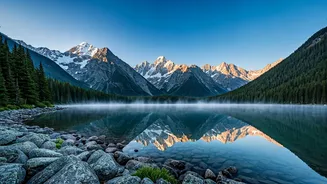
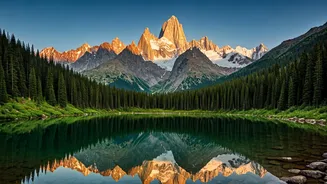
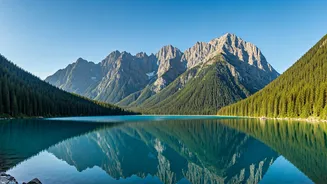
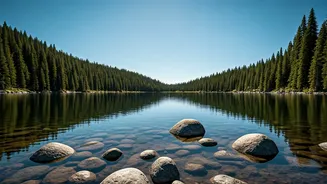
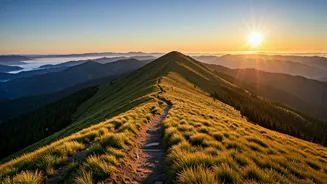
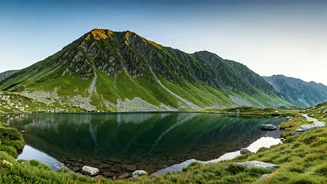
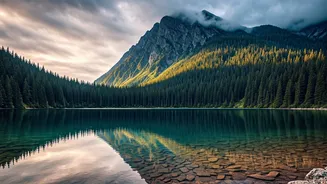
So where are people going instead? North, and up. Mountain towns in Colorado, Wyoming, and Utah, once seen primarily as winter ski destinations, are experiencing a summer renaissance. Places like Aspen and Park City are marketing their pleasant summer climates, hiking trails, and al fresco dining that doesn't require a mister system blasting you in the face. Likewise, destinations in the Northeast and Pacific Northwest are seeing a surge in interest. The coastal towns of Maine and Oregon, the mountains of Vermont and New Hampshire, and even the Great Lakes region, like Michigan's Upper Peninsula, are becoming prime real estate for summer tourism. Their appeal is simple and powerful: cool nights, green landscapes, and air that feels restorative rather than oppressive.
A Double-Edged Boom for Mountain Towns
This climate-driven migration of tourist dollars is a boon for the economies of these cooler locales. It creates a more stable, year-round tourism industry, smoothing out the seasonal boom-and-bust cycle of ski-centric economies. However, this new popularity comes with its own set of challenges. The influx of summer visitors puts a strain on local infrastructure, from roads and parking to water supplies and emergency services. Small towns can quickly feel overwhelmed, a phenomenon that has been dubbed ‘love-to-death’ syndrome.
Furthermore, the increased demand can drive up housing costs, making it harder for the local workforce to afford to live in the communities they serve. These towns now face the complex task of balancing the economic benefits of climate-driven tourism with the need to preserve the quality of life and natural environment that made them attractive in the first place.