

The Crucial Element of Timing
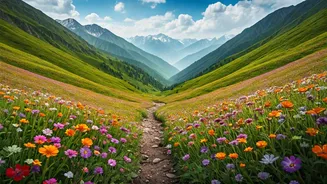
The Valley of Flowers is not a year-round destination. For about eight months, it’s buried under a thick blanket of snow, inaccessible to the world. The magic happens during a brief window in the monsoon season, typically from June to early October, when
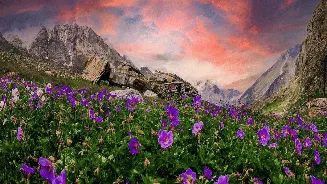
the snow melts and the valley floor explodes with over 500 species of flowers. But even within this window, timing is everything. Arrive too early in June, and you’ll find a green, promising valley, but the floral display will be sparse. Arrive too late in September, and the blooms will be fading, the vibrant colors receding as the chill of autumn sets in. The absolute sweet spot is from mid-July to mid-August. This is when the valley is at its most spectacular, with peak blooms of poppies, geraniums, primulas, and the elusive, mythical blue poppy. However, this is also the height of the monsoon, which means more rain and a higher chance of crowds. Choosing your dates is a strategic trade-off: aim for peak beauty and you accept peak monsoon conditions; go for clearer skies at the season's shoulders and you risk missing the full floral spectacle.
The Unpredictable Role of Luck
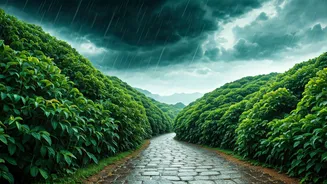
In the Himalayas, nature is in charge, and your meticulously planned itinerary is merely a suggestion. This is where luck—or what seasoned trekkers call 'flexibility'—comes in. The trek to the Valley of Flowers takes place during the monsoon, a season known for its dramatic and unpredictable weather. One moment you can be hiking under a brilliant blue sky, the next you’re pulling on your rain gear as thick fog rolls in, obscuring everything. This isn't just an inconvenience; it can be a trip-altering event. Heavy rains can trigger landslides, blocking the single road to the trailhead for days. A downpour on your designated Valley day can mean trekking through mud and mist, seeing only the flowers directly at your feet instead of the grand, sweeping vistas you came for. The best way to manage luck is to plan for bad luck. Build buffer days into your schedule. Don’t book a tight, non-refundable flight home for the day after your trek is supposed to end. Acknowledge that the mountain might have other plans. A successful trip isn't about having perfect weather; it's about having the patience and provisions to wait for a window of opportunity when it presents itself.
The Non-Negotiable Need for Good Shoes
Let’s be perfectly clear: the trek to the Valley of Flowers is not a casual stroll. While the path inside the valley itself is relatively gentle, getting there is a serious undertaking. The journey begins with a multi-day trek, typically starting from the village of Pulna and ascending to the base camp of Ghangaria. This trail, which you'll traverse both up and down, is a rugged mountain path. It’s a combination of stone-paved sections, rocky scrambles, muddy patches, and several stream crossings. You’ll be on your feet for 5-6 hours a day, gaining significant elevation. This is not the place for your favorite sneakers or stylish hiking-inspired boots. You need proper, broken-in, waterproof trekking shoes with excellent grip and sturdy ankle support. Waterproofing is essential for slogging through rain and crossing shallow streams without getting soaked feet, which is a fast track to blisters and misery. Good ankle support will save you from twists and sprains on the uneven, rocky terrain. Your shoes are the single most important piece of gear you will bring. They are the foundation of your safety, comfort, and ultimately, your ability to enjoy the destination you worked so hard to reach.