

Beyond Just Hydration
For decades, the non-alcoholic drink choice was simple: a sugar-packed soda for a treat, a diet version for guilt-free fizz, or a flat juice that felt like a kid’s lunchbox staple. But American consumers have grown tired of “empty” calories and artificial
ingredients. The backlash against sugar isn't new, but what’s changed is the expectation. We don’t just want drinks that are *less bad* for us; we want drinks that are actively *good* for us. This shift created a massive opening in the market, one that plain old water or unsweetened iced tea couldn't entirely fill. People wanted function. They wanted benefits. They wanted a drink that did more than just quench thirst—they wanted it to work for them, contributing to their overall wellness goals in a tangible way. This demand set the stage for a new class of beverage that views a can of liquid as a delivery system for benefits.
The Seltzer Effect and the Power of Bubbles
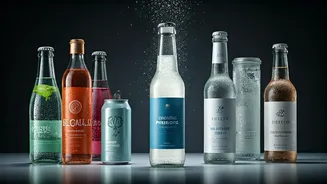
Before drinks got “smart,” they got bubbly. The meteoric rise of LaCroix and its competitors in the 2010s rewired our brains. Carbonation became disconnected from sugary soda and was instead associated with a crisp, clean, and even healthy experience. We learned to love the zero-calorie fizz, and an entire generation became accustomed to cracking open a can of sparkling water as a default hydrator or afternoon pick-me-up. This “seltzer-fication” of the beverage market was a critical stepping stone. It normalized the can as a vessel for sophisticated, adult, non-alcoholic drinks. More importantly, it made bubbles the expected format for refreshment. When functional brands emerged, they knew that putting their new-age ingredients into a flat, juice-like beverage would feel medicinal or dated. By making them bubbly, they instantly felt more like a treat, a soda replacement, or a refreshing alternative to a cocktail.
What 'Smarter' Actually Means
So what makes these drinks “smart”? It’s all about functional ingredients, once confined to health-food store capsules, now dissolved into your fizzy drink. These fall into a few key categories. First are **adaptogens**, herbs and mushrooms believed to help the body manage stress. Ingredients like ashwagandha and rhodiola are now staples in drinks promising a sense of calm. Next are **nootropics**, compounds that may support cognitive functions like focus, memory, and creativity. L-theanine (an amino acid found in green tea) and lion’s mane mushroom are common additions to beverages marketed for mental clarity. Finally, there’s a huge focus on gut health, led by **prebiotics and probiotics**. Brands like Olipop and Poppi pack their sodas with plant fiber and other ingredients intended to feed the good bacteria in your gut, marketing themselves as a healthier spin on classic soda flavors. Instead of a vague “vitamin-fortified” claim, these drinks offer specific, targeted benefits tied to trending wellness concepts.
Not Just a Drink, It's a Vibe
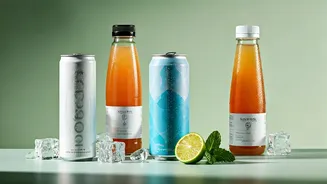
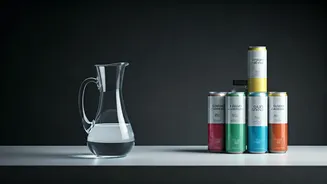
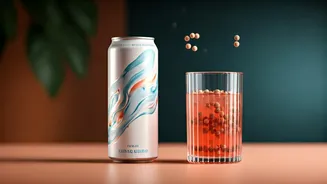
A brilliant formula is useless if the can looks like a science experiment. The final piece of the puzzle is that these new wellness beverages are undeniably cool. They’ve shed the crunchy, granola aesthetic of yesterday’s health drinks in favor of minimalist design, pastel palettes, and artful branding. The cans are designed to be photographed and shared on social media. They look good on a desk, at a picnic, or on a bar cart. The marketing doesn't scream “health benefits!” but whispers a lifestyle. Brands like Recess sell a mood (“calm, cool, collected”), while Kin Euphorics offers a social ritual, positioning its drinks as a non-alcoholic way to elevate your evening. This branding genius allows them to command a premium price (often $3-5 per can) and appeal to a demographic that values aesthetics and identity as much as ingredients. It’s not just a drink; it’s an accessory and a statement about who you are: someone who is mindful, sophisticated, and in control of their well-being.