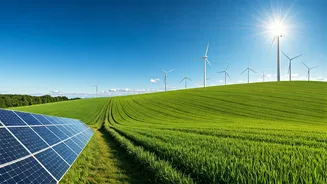









What Exactly Are Green Energy Funds?
At its core, a green energy mutual fund is a portfolio of stocks from companies operating in the renewable energy sector. Think solar, wind, geothermal, and hydroelectric power, as well as the businesses that support them—like battery storage innovators,
grid modernization firms, and manufacturers of electric vehicle components. Instead of buying individual stocks one by one, a mutual fund allows you to purchase a small piece of many companies at once. This approach provides instant diversification within the green energy space, which can help mitigate the risk associated with any single company's performance. These funds are typically managed by professionals who select investments based on specific environmental criteria, often referred to as ESG (Environmental, Social, and Governance) principles. Their goal is to identify companies poised for growth as the world transitions away from fossil fuels.
The Case for 'Green' Investing
The appeal of green energy funds is twofold. First, there's the ethical component. For investors concerned about climate change, these funds offer a tangible way to direct capital toward solutions rather than problems. It’s a vote of confidence in a sustainable future. But the financial argument is just as compelling. Global policy, technological advancements, and shifting consumer preferences are creating powerful tailwinds for the renewable energy industry. Governments worldwide are committing to ambitious carbon-reduction goals, which often translates into subsidies, tax credits, and massive infrastructure spending that benefit green companies. This isn't just about feeling good; it's about positioning your portfolio to capitalize on what many analysts see as one of the most significant economic transformations of our time. The long-term thesis is that companies leading the energy transition will also lead in market performance.
Beyond the Hype: Understanding the Risks
While the long-term outlook may be bright, green energy is not a risk-free investment. As a specialized sector, it can be more volatile than the broader market. The performance of these funds is often tied to factors like government policy changes, commodity prices (such as lithium for batteries), and the pace of technological adoption. A new administration or a shift in regulatory priorities can dramatically impact company valuations. Furthermore, investors must be wary of “greenwashing.” This is when a fund or company overstates its environmental credentials to attract capital. A fund might have “green” in its name but still hold significant positions in companies with questionable environmental records. Due diligence is critical to ensure a fund’s holdings truly align with your values and its stated mission.
How to Evaluate a Green Energy Fund
When you're ready to explore specific funds, don't just look at the name. Dig into the details. Start with the fund's prospectus and fact sheet, which are available on any major brokerage platform. Look for a few key things: 1. **Top Holdings:** Examine the top 10-15 companies in the portfolio. Are they familiar names in renewable energy? Are they pure-play green companies, or are they traditional energy giants with a small renewable division? This will tell you a lot about the fund's strategy. 2. **Expense Ratio:** This is the annual fee you pay for the fund's management. A lower expense ratio means more of your returns stay in your pocket. Compare the ratios of similar funds to ensure you're not overpaying. 3. **Screening Process:** Look for information on how the fund manager applies ESG criteria. Do they simply avoid fossil fuels, or do they proactively seek out leaders in sustainable innovation? A transparent and rigorous screening process is a good sign.