






The Search for Cleaner Food
First, you have to understand the journey produce takes to get to a plate in Delhi. Much of it travels long distances, losing nutritional value along the way. More alarmingly for residents, it's often grown using contaminated river water and heavy pesticides.
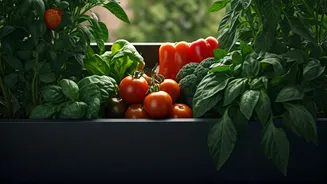
Concerns over chemical residues and toxins have pushed many urban families to seek out safer alternatives. Organic produce is an option, but it's expensive and its authenticity can be hard to verify. For a growing number of people, the only way to be absolutely certain about their food's purity is to grow it themselves. This desire for control over food safety is a primary driver, turning a simple meal into a statement of health and self-sufficiency.
Farming Without Dirt, Explained
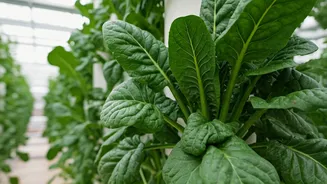
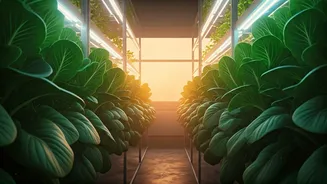
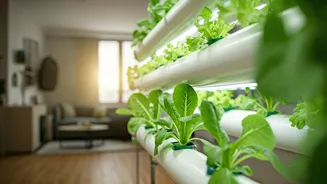
This is where hydroponics comes in. The term sounds futuristic, but the concept is simple: it’s the practice of growing plants without soil. Instead of pulling nutrients from the earth, plants get them from a mineral-rich water solution. The "advanced hydroponic tubes" you see on Delhi balconies are often part of a system called the Nutrient Film Technique (NFT). In an NFT setup, a continuous, shallow stream of nutrient-infused water flows down a series of channels or tubes, passing over the bare roots of the plants. This method is incredibly efficient, delivering exactly what the plants need, right where they need it. It eliminates soil-borne pests and diseases, which in turn reduces the need for pesticides to almost zero.
Solving the Water and Space Puzzle
Delhi is a city of over 20 million people, where both space and water are precious commodities. Traditional gardening is a luxury few can afford. A typical apartment balcony or rooftop doesn't offer enough square footage for a meaningful soil-based garden. Hydroponic systems, however, are often vertical. By stacking tubes or towers, residents can grow dozens of plants—lettuce, spinach, herbs, strawberries—in an area no bigger than a small bookshelf. More importantly, these systems are water-wise. Because the water is recirculated, hydroponics can use up to 90% less water than traditional agriculture. In a city that frequently faces severe water shortages, this efficiency is a game-changer, making home farming not just possible, but responsible.
The Rise of the ‘Farmer-in-Chief’
Beyond the practical benefits, there's a powerful psychological and lifestyle appeal. Setting up a home hydroponics system turns a resident into the 'farmer-in-chief' of their household. It’s a hobby that yields tangible, edible results. For families with children, it's a living science lesson on botany and sustainability. The ability to harvest fresh, crisp lettuce or fragrant basil just moments before dinner provides a sense of connection to food that's often lost in modern urban life. Companies and startups in India have capitalized on this, offering easy-to-install kits, nutrient packages, and support, making the barrier to entry lower than ever for those with disposable income.
Not Yet a Revolution for Everyone
While the trend is growing, it's important to note its current limitations. The initial setup cost for a decent hydroponic system can be significant, placing it out of reach for the average Delhi resident. These systems also rely on a consistent supply of electricity to power the water pumps, which can be a challenge in a city with occasional power cuts. For now, this is largely a movement among middle- and upper-class urbanites who are willing and able to invest in their health and lifestyle. However, as the technology becomes cheaper and more accessible, it holds the potential to become a more widespread solution, fundamentally changing how city dwellers think about the food on their tables.