


Prioritize Hydration in Sneaky Ways
When it’s hot and humid, we assume our pets will drink more water. But that’s not always the case. The constant dampness and potential decrease in outdoor activity can sometimes lead to them drinking less. Dehydration is a serious risk that can contribute
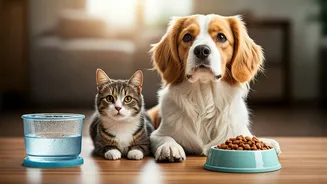
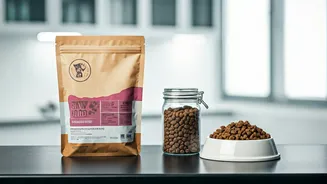
to lethargy and urinary tract issues. Don’t just rely on the water bowl. This is a great time to incorporate moisture-rich foods into their diet. Switching from dry kibble to wet food is an excellent option. You can also simply add a splash of warm water or low-sodium bone broth to their existing dry food to create a hydrating, enticing gravy. Offering safe, water-dense treats like small, seedless watermelon cubes or cucumber slices (for dogs) can also boost their fluid intake in a fun way.
Serve Lighter, Easily Digestible Foods
Think about your own appetite during a muggy heatwave—a heavy, rich meal is often the last thing you want. It’s similar for our pets. High-fat, calorie-dense foods require more energy to digest, which can be taxing on a pet’s system when their body is already working overtime to stay cool. Opt for lighter fare. Lean proteins like cooked, unseasoned chicken, turkey, or white fish are easier for their bodies to process. If you feed a commercial diet, check the ingredients and consider a formula that isn't excessively high in fat during these months. Serving smaller, more frequent meals instead of one or two large ones can also prevent that post-meal sluggishness and keep their digestive system running smoothly.
Boost Their Gut and Immune Health
Rainy, humid seasons are prime time for bacteria and fungi to thrive. Pets who spend time outdoors can bring in all sorts of new environmental challenges on their paws and coat. This, combined with the stress of thunderstorms, can put a strain on their immune system. A strong gut is the foundation of good health. Adding a spoonful of plain, unsweetened pumpkin puree to your dog’s or cat's food can provide a gentle source of fiber to aid digestion. You might also talk to your vet about a pet-specific probiotic. These beneficial bacteria help maintain a healthy gut microbiome, which is crucial for nutrient absorption and fending off stomach upset caused by stress or dietary changes.
Combat Skin Issues From the Inside Out
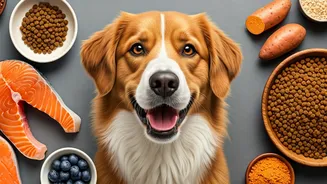
Constant dampness isn't just an outdoor problem; it can become a skin problem. The persistent moisture in the air can exacerbate skin allergies and create the perfect environment for yeast and bacterial infections, leading to itchy, irritated skin or 'hot spots,' especially for dogs with thick coats or skin folds. While topical treatments are important, nutrition plays a key role in prevention. Foods rich in omega-3 fatty acids are fantastic for supporting a healthy skin barrier. These healthy fats have anti-inflammatory properties that can help soothe irritation from within. Ask your veterinarian about adding a high-quality fish oil supplement to their food or switching to a diet fortified with omega-3s from sources like salmon or flaxseed.
Address Anxiety's Effect on Appetite
For many pets, a rainy season means a scary season. The low rumble of thunder, flashing lightning, and pounding rain can cause significant anxiety. A common symptom of a stressed-out dog or cat is a loss of appetite. When your pet is too scared to eat, it’s not the time to be a strict disciplinarian about their mealtime. The goal is to ensure they get the nutrition they need. You can make their food more appealing by gently warming it to release its aroma. As mentioned before, adding a small amount of a high-value topper like bone broth or a tiny bit of wet food can entice a nervous eater. Creating a safe, quiet space for them to eat, away from windows and doors, can also make a world of difference.