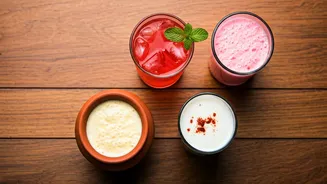




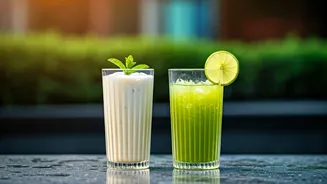

The Probiotic Powerhouse: Lassi
Let’s start with the one you might already know. Lassi, a yogurt-based drink, is the smooth, creamy ambassador of Indian beverages. But the sweet, mango-flavored version popular in U.S. restaurants is just the beginning. In India, lassi is a world unto
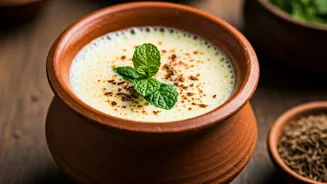
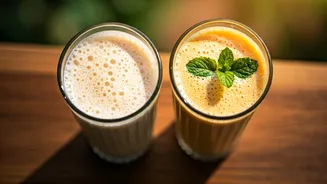
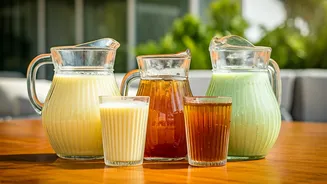
itself. There’s the classic sweet lassi, simply blended with sugar and maybe a hint of rosewater or cardamom. More thrillingly, there’s its savory counterpart, often called chaas or salted lassi. This version is thinned with water, blended with salt, and sometimes spiced with roasted cumin and fresh cilantro or mint. Far from a dessert drink, this tangy, refreshing beverage is a digestive aid and a gut-cooling probiotic powerhouse, perfect for sipping alongside a spicy meal or on its own during a sweltering afternoon. It’s the original functional smoothie.
The Upgraded Lemonade: Nimbu Pani
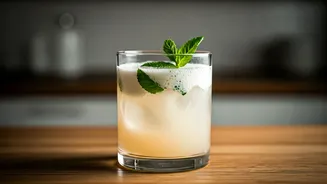
Forget that powdered mix. Nimbu Pani (literally “lime water”) is Indian lemonade, but with a postgraduate degree in flavor. It starts with the same simple base: fresh lime juice, water, and sugar. But then comes the twist that elevates it from simple refreshment to a truly restorative elixir. The secret is a pinch of kala namak (Himalayan black salt) and often a dash of roasted cumin powder. The black salt has a distinctly savory, slightly sulfuric flavor that, paradoxically, makes the sweet and sour notes pop. It’s an electrolyte-replenishing wonder that tastes both familiar and thrillingly complex. Sold on street corners across India, it’s the ultimate proof that a few simple, smart additions can transform a basic drink into something extraordinary.
The Green Mango Marvel: Aam Panna
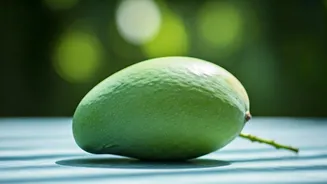
If one drink perfectly encapsulates the genius of Indian summer cuisine, it’s Aam Panna. This is not a sweet mango juice; it's a tart, smoky, and spicy concoction made from raw, unripe green mangoes. The mangoes are boiled or roasted until soft, their pulp scraped out and blended with sugar, black salt, cumin, and sometimes mint. The resulting concentrate is then mixed with chilled water to create a drink that is a symphony of tangy, sweet, and savory notes. Traditionally, Aam Panna is prized for its ability to prevent heat stroke and dehydration. It’s a seasonal treasure, appearing only in the hottest months when green mangoes are available, offering a taste of pure, unadulterated summer relief.
The Adventurous Choice: Jal Jeera
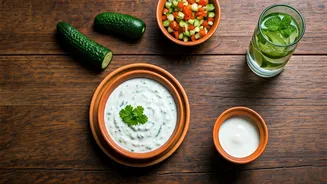
Ready to get adventurous? Meet Jal Jeera, which translates to “cumin water.” This isn't your typical thirst-quencher; it's a savory, spicy, and herbaceous experience designed to awaken the senses and aid digestion. The base is a paste of cilantro, mint, and ginger, which is then blended with water and an electrifying spice mix called jaljeera powder. This powder is a potent combination of cumin, black salt, amchur (dried mango powder), and other spices. The result is a pungent, tangy, and deeply savory drink that’s often served as an appetizer to stimulate the palate. It might sound strange to an American palate accustomed to sweet drinks, but one sip on a hot day will convince you: its sharp, cooling effect is undeniable.
The Coastal Cooler: Kokum Sharbat
Along India's western coast, particularly in the Konkan region, the go-to summer cooler is Kokum Sharbat. This stunning, deep ruby-red drink is made from the dried rind of the kokum fruit, a relative of mangosteen. The rinds are soaked in water to extract their color and unique flavor—a plummy tartness that isn't as sharp as lemon or as sweet as cherry. The resulting infusion is sweetened with sugar and lightly spiced, often with cumin or black salt. Kokum is celebrated in Ayurvedic tradition for its cooling properties and its ability to soothe acidity. It's a visually beautiful drink with a unique, sophisticated flavor profile that tastes like a coastal breeze in a glass.