





More Than Just Dirt
When we talk about washing fruit, most of us think we’re just rinsing off a little dust or soil. But the reality of our modern food system is a bit more complex. That beautiful, shiny apple or perfect-looking strawberry has been on a long journey. It’s
been grown, harvested, packed, shipped, and handled by multiple people. Along the way, it can pick up a few unwanted passengers. We’re talking about pesticide residues, waxes applied for sheen and preservation, and microbes from soil and handling—including potential pathogens like E. coli or Listeria. The goal of a proper wash isn’t to induce paranoia; it’s to reduce your exposure to these elements, lightening the load on your body's detoxification and immune systems. Think of it less as a chore and more as the final, crucial step in preparing your food for optimal wellness.
The Great Debate: Water, Washes, or DIY?
Walk down the produce aisle, and you might see expensive, specially formulated fruit and vegetable washes. Do you need them? For years, the official advice from the Food and Drug Administration (FDA) has been that a simple rinse under cool, running water is sufficient for most produce. For firm-skinned fruits like apples or melons, they recommend using a clean produce brush to scrub the surface. This method is effective at removing a significant amount of dirt and some bacteria. However, recent studies and food-savvy experts suggest we can do better, especially when it comes to pesticide residues that water alone can’t easily dislodge. While commercial washes can work, many contain ingredients you might not recognize, and their effectiveness can be on par with simpler, cheaper home solutions.
The Baking Soda Glow-Up
Here's the secret weapon for your fruit’s glow-up: baking soda (sodium bicarbonate). A study published in the Journal of Agricultural and Food Chemistry found that soaking fruit in a baking soda solution was significantly more effective at removing surface pesticide residues than either plain tap water or a bleach solution. The alkaline nature of the baking soda helps to break down and degrade certain types of common pesticides, allowing them to be washed away. The method is incredibly simple: fill a clean sink or large bowl with cool water, and add one or two teaspoons of baking soda, swishing it around to dissolve. Add your fruits and let them soak for 12 to 15 minutes. After soaking, give them a final rinse under running water to wash away any remaining residue and the baking soda itself. This simple soak is your best bet for a deeper, more effective clean.
Technique Matters: A Guide
The baking soda soak is great for firm fruits like apples, pears, peaches, and nectarines. But what about more delicate items?
- **Berries (Strawberries, Blueberries, Raspberries):** These shouldn't be soaked for long periods. A quick dip (1-2 minutes) in the baking soda solution, followed by a gentle rinse in a colander, is best. Wash them right before you plan to eat them, as washing too early can hasten spoilage.
- **Grapes:** Place grape clusters in the baking soda solution and swish them around gently to ensure the water gets into the tight bunches. Follow with a thorough rinse.
- **Firm-Skinned Fruits (Apples, Pears, Citrus):** These benefit most from the full 15-minute soak. After soaking and rinsing, you can still give them a quick scrub with a produce brush for good measure.
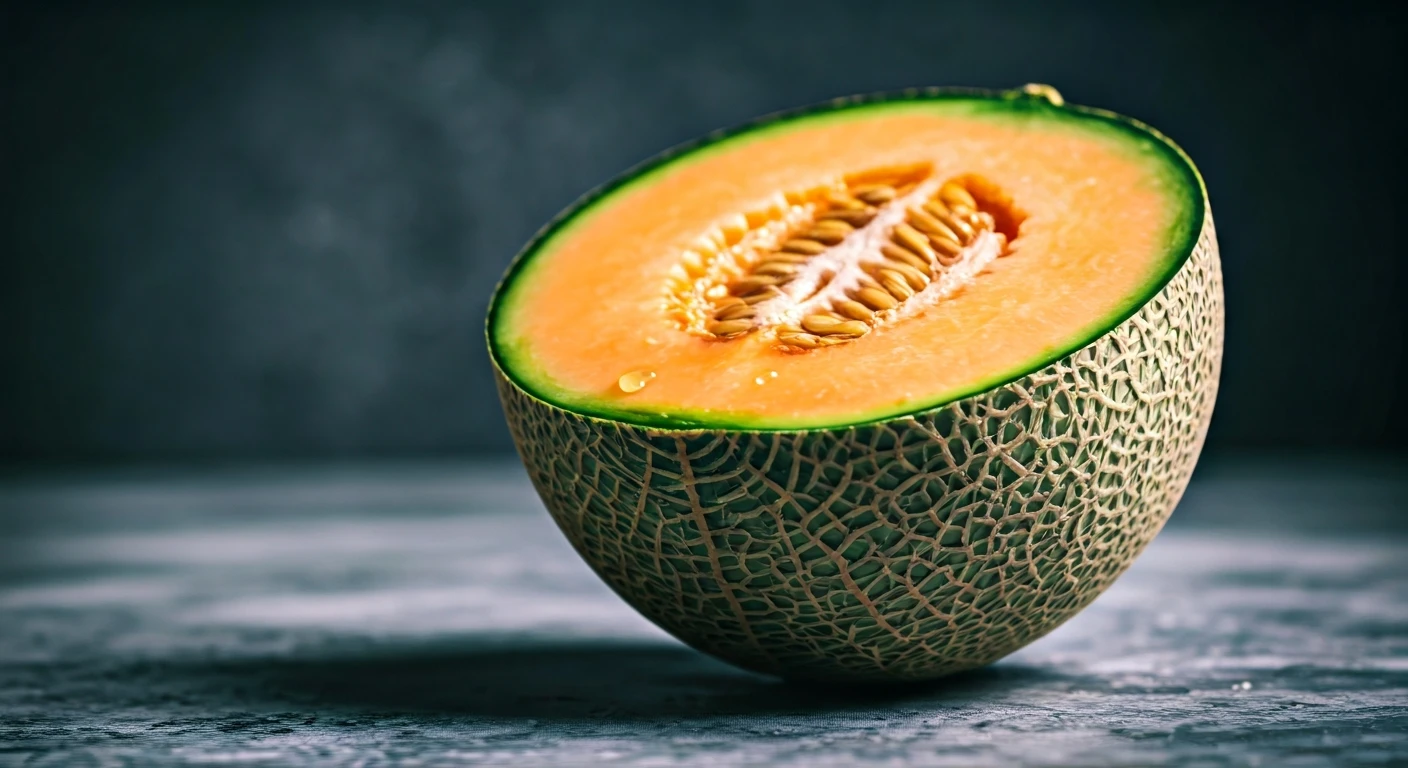
- **Melons (Cantaloupe, Watermelon):** It's crucial to scrub the outside of melons before you cut them. Any bacteria on the rind can be transferred to the flesh by the knife. Use a produce brush under running water before your baking soda soak, or at the very least, give it a very thorough scrub.
Don’t Skip Organic
It’s a common and understandable assumption: if it’s organic, it’s clean, right? Not exactly. While certified organic produce is grown without synthetic pesticides and fertilizers, it’s not grown in a sterile bubble. Organic farming can still use certain approved, naturally derived pesticides. More importantly, organic produce is still exposed to the same environmental factors—soil, water, and wildlife—and goes through the same packing and shipping process as conventional fruit. This means it can still carry dirt and harmful bacteria. So yes, you should absolutely wash your organic fruit with the same care and attention.