



The Cult of Buc-ee's Beaver Nuggets
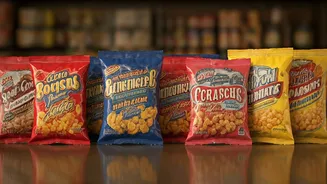
If you’ve ever driven through Texas or the Deep South, you know Buc-ee’s isn’t just a gas station; it’s a destination. The sprawling stores with their famously clean restrooms are a cultural phenomenon, but the real star is the snack aisle. At the top
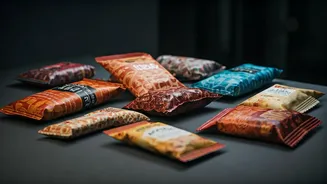
of that list are Beaver Nuggets, a crunchy, caramel-coated corn puff snack that inspires a devotion bordering on obsession. For years, securing a bag meant a pilgrimage. Now, the brand is strategically expanding its reach beyond the highway. While they aren't flooding every Kroger just yet, Buc-ee's has started partnering with select retailers and even shipping its products, turning a regional roadside delicacy into a packaged good you can enjoy on your couch. This move capitalizes on the brand’s immense cult following, allowing fans to bring a piece of the Buc-ee's experience home, no matter how far they are from the nearest beaver-themed travel center.
Casey's Famous Breakfast Pizza
In the Midwest, Casey's General Store is a community cornerstone, and its breakfast pizza is the stuff of legend. For the uninitiated, it’s a masterpiece of convenience food: a pizza crust topped with cheese sauce, scrambled eggs, bacon or sausage, and more cheese. It’s the go-to breakfast for early-rising farmers, construction crews, and anyone needing a hearty start. Recognizing the powerful nostalgia and loyalty tied to this product, Casey's made a brilliant move. The company began offering its beloved breakfast pizza as a frozen product in its own stores, allowing customers to stock up. This simple pivot from a hot-and-ready item to a take-home-and-bake product was a game-changer. It transformed a morning ritual into a branded grocery item, extending the Casey's experience from the gas pump to the home freezer and solidifying its status as a regional food icon.
Wawa's Caffeinated Empire
On the East Coast, Wawa is the undisputed king of convenience. For millions of commuters from Pennsylvania to Florida, a morning stop for a Wawa coffee is non-negotiable. The brand built an empire on fresh, made-to-order hoagies and a vast selection of beverages. Wawa smartly realized that its customers' loyalty wasn't just to the store, but to the products themselves. So, they began bottling their signature iced teas, fruit drinks, and coffees and selling them in multi-serving jugs. It was a massive success. Then they went further, launching their own brand of ground coffee and K-Cups for sale in grocery stores. This allowed the brand to leapfrog its geographic boundaries. Now, a former Philadelphian living in California can still start their day with a taste of home, proving that the strongest brands can turn a daily habit into a retail product with national appeal.
Taco Bell's Drive-Thru Flavor, Now in Aisle 5
While not a traditional gas station, Taco Bell is the quintessential American roadside fast-food stop. For decades, some of its most popular flavors were exclusive to the restaurant experience. The neon-green Baja Blast soda was a fountain-only unicorn, and its creamy jalapeño and chipotle sauces were locked behind the counter. That exclusivity created intense demand. Over the last several years, parent company Yum! Brands, in partnership with PepsiCo and Kraft Heinz, has systematically 'unlocked' these flavors for retail. Baja Blast now appears on shelves for limited-time runs that spark a buying frenzy. You can find Taco Bell's hot sauces, cheese sauces, and even Cravings Kits to recreate your favorite menu items at home. This strategy is a masterclass in remixing: it doesn't diminish the restaurant's appeal but rather deepens brand loyalty by integrating its signature tastes into consumers' everyday lives.
Why This Trend Is Accelerating
This isn't just about selling more snacks; it's a sophisticated business strategy. First, it's a powerful form of brand marketing. Seeing a familiar roadside brand in a supermarket reinforces its legitimacy and broadens its audience. Second, it creates a new, high-margin revenue stream that's not dependent on gasoline sales or in-store foot traffic. Third, and perhaps most importantly, it taps into the powerful currency of nostalgia. These aren't just snacks; they are edible souvenirs of road trips, late-night munchies, and regional identity. In a crowded retail landscape, selling a product that comes with a built-in story and emotional connection is a massive advantage. It turns a simple bag of chips or a bottle of iced tea into a tangible piece of a cherished experience.