






The New Economic Engine of Tourism
For decades, the story of Indian travel was largely domestic—pilgrimages, family visits, and trips to hill stations. International travel was the exclusive domain of the ultra-wealthy. That story is being rapidly rewritten. The primary driver is India’s
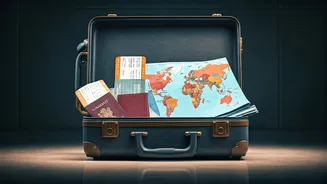
booming middle class, a cohort with newfound disposable income and a voracious appetite for global experiences. As salaries in tech, finance, and other professional sectors rise, what was once spent on a new car or a home renovation is now being earmarked for a passport stamp. This isn't just about the top 1%; millions of young professionals in cities like Bangalore, Pune, and Hyderabad now see an annual foreign trip as an achievable, and even expected, part of their lifestyle. They are trading stories of Goa for galleries in Paris, and a weekend in the mountains for a shopping festival in the UAE. This economic firepower is what's turning individual desires into a massive, market-moving force.
The Visa Hurdle Finally Lowers
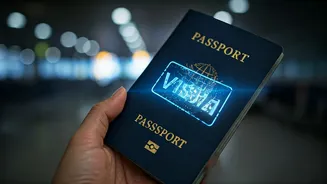
Ask any Indian traveler about their biggest headache, and for years the answer was unanimous: the visa process. Lengthy paperwork, expensive fees, and nerve-wracking interviews at embassies were a significant barrier, turning spontaneous travel into a logistical nightmare. That is changing, and it's a game-changer. An increasing number of countries, eager to attract the lucrative Indian tourist market, are simplifying their entry requirements. Nations across Southeast Asia, like Thailand, Malaysia, and Vietnam, now offer visa-free entry or streamlined e-visas for Indian passport holders. The result is an explosion of tourism to these regions. Instead of a three-month planning cycle, a trip can be booked in a week. This removal of bureaucratic friction is arguably as important as the increase in income; it makes the *idea* of international travel feel less like an ordeal and more like an exciting possibility.
Fueled by Instagram and Aspiration
You can't discount the 'Instagram effect.' The new Indian traveler is digitally native. Their feeds are filled with friends and influencers posing in front of the Eiffel Tower, exploring Moroccan souks, or scuba diving in the Maldives. This creates a powerful feedback loop of aspiration and inspiration. Travel is no longer just about relaxation; it's about collecting experiences, curating a global identity, and signaling social mobility. For a generation that grew up with the internet, the world feels smaller and more accessible. A photo from a scenic cafe in Bali isn't just a vacation snap; it’s a statement. This cultural pressure, combined with the means to act on it, has transformed international travel from a luxury into a modern rite of passage for India's urban youth.
From Major Hubs to Global Gateways
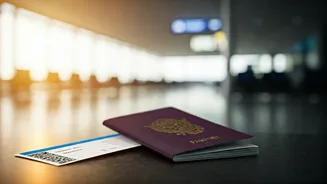
The final piece of the puzzle is infrastructure. The rise of budget airlines in India has been transformative for domestic travel, and now that revolution is going international. Carriers like IndiGo and SpiceJet are aggressively expanding their international routes, offering direct, no-frills flights to destinations in the Middle East and Southeast Asia at shockingly low prices. This competition has forced legacy carriers to also offer more competitive fares. Furthermore, international flights are no longer limited to the mega-hubs of Delhi and Mumbai. Airports in cities like Ahmedabad, Kochi, and Amritsar have become direct gateways to the world, making it easier and cheaper for people across the country to bypass connecting flights and begin their journey from closer to home. When a flight to Dubai is as easy to book and nearly as cheap as a flight across India, the mental barrier to going abroad simply dissolves.