





The Great Urban Squeeze
First, let's address the 'not larger' part. This isn't a stylistic choice; it's a stark reality of urban economics. In cities like Mumbai, Delhi, and Bengaluru, populations have exploded over the past two decades. A combination of land scarcity, relentless
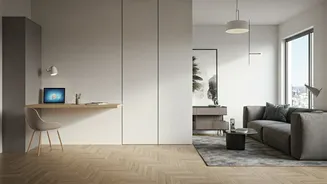
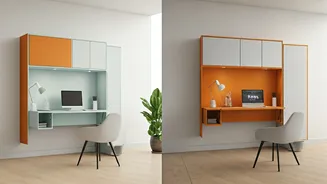
urbanization, and soaring construction costs has put immense pressure on housing. For the average homebuyer, particularly the young professionals powering India's tech and service industries, a larger apartment in a desirable neighborhood is often financially out of reach. Real estate analysts have tracked this trend for years. Average apartment sizes in India’s top seven cities have shrunk by as much as 25-30% over the last decade. A 'spacious' three-bedroom unit from 2014 might be the size of a standard two-bedroom today. This forces developers and buyers to confront a fundamental question: if you can't build out, how do you build up—in terms of value, not floors?
What 'Smart' Actually Means
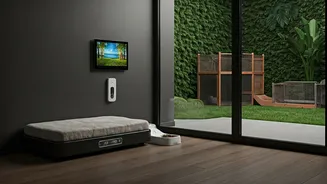
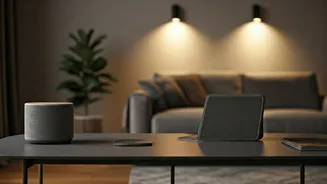
This is where 'smarter' comes in. It's more than just having an Alexa speaker in the corner. In the context of new Indian developments, 'smart' refers to a fully integrated, tech-enabled living experience that begins before you even step inside the apartment. It’s a compelling trade-off: you may get less square footage, but you gain a lifestyle of unprecedented convenience and security. These homes often feature integrated systems where a single app on your phone can control lighting, air conditioning, and smart appliances. Voice-activated commands for everything from drawing the curtains to starting the coffee maker are becoming key selling points. Security is a huge driver, with features like digital video doorbells, keyless entry using facial recognition or biometrics, and panic buttons that alert a central security hub. Beyond the individual unit, the entire building complex is often 'smart,' with apps for booking community amenities like the gym or pool, paying utility bills, and tracking visitor entry.
The Developer's Strategic Pivot
For property developers, embracing smart technology is a brilliant strategic move. When you can no longer compete on size, you must compete on features. Smart home packages have become a powerful differentiator in a crowded market. They allow builders to justify premium pricing for smaller units by framing them not as compromises, but as futuristic, efficient living spaces. Marketing materials are no longer filled with pictures of empty, cavernous rooms. Instead, they showcase a lifestyle: a young professional adjusting the lighting from their couch, a family granting remote access to a delivery person, or an elderly parent using a smart device to call for assistance. This shift allows developers to target India’s aspirational, tech-savvy millennial and Gen Z buyers who often value experience and convenience as much as, if not more than, physical space. It transforms a physical limitation into a lifestyle selling point.
A Reflection of Modern India
Ultimately, this trend is a perfect reflection of the new India. It’s a country with one of the world's youngest populations, a nation that leapfrogged desktop computing to become a mobile-first society, and an economy driven by technology and innovation. The demand for smart homes is not being pushed solely by developers; it's being pulled by a generation of consumers who are digital natives. They expect their homes to be as connected and efficient as their smartphones. This phenomenon also speaks to a broader global shift in urban living, where proximity, community, and tech-enabled convenience are becoming the new currencies of luxury. The cramped but hyper-functional apartments of Tokyo or Hong Kong have long been examples of this. India’s twist is to infuse this model with its own unique brand of accessible, mobile-first technology.