


The End of the ‘Euro-Trip’ Dream?
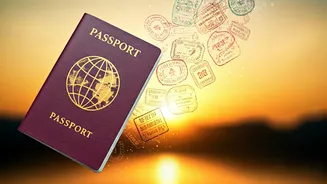
For a generation of Indians, the aspirational vacation was defined by a foreign stamp in their passport. London, Paris, New York—these were the prizes, the markers of having arrived. But the post-pandemic world has thrown a wrench in those plans. Obtaining
a visa for the U.S. or European Schengen Area has become a logistical nightmare, with appointment wait times stretching for months, even over a year in some cases. This “visa winter” has forced a pragmatic pivot. Instead of waiting indefinitely for a Western embassy to grant an audience, millions of Indian travelers are realizing that a fantastic escape doesn't require a ten-hour flight or a bureaucratic ordeal. The frustration with Western consulates has inadvertently become the best marketing campaign for domestic and regional tourism.
Discovering a New Kind of ‘Incredible India’
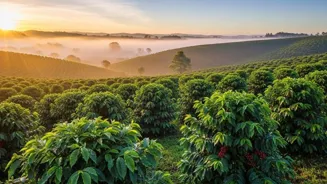
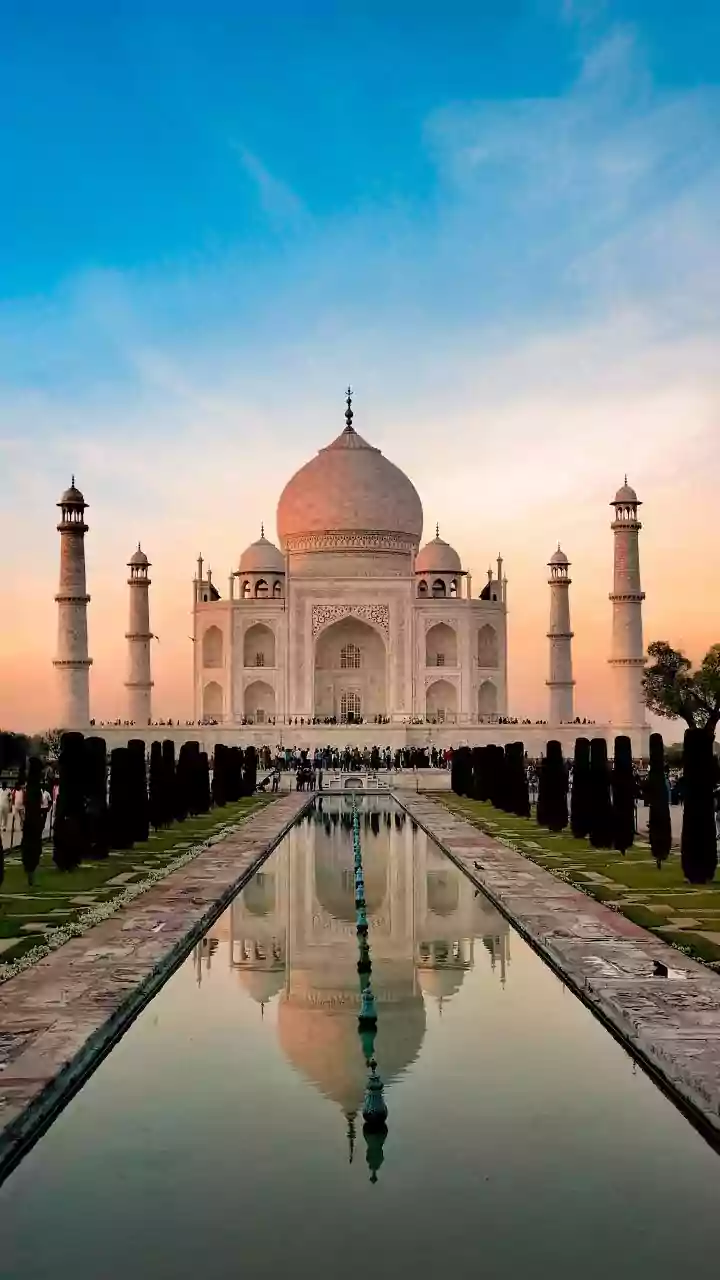
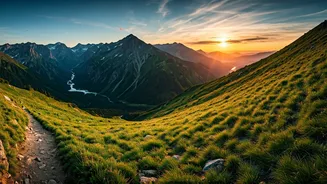
This isn’t just a default choice; it’s becoming a cultural rediscovery. For decades, Indian tourism for Indians often meant a handful of 'Golden Triangle' checklist spots. Today, the focus is on experience over monuments. Travelers are seeking out boutique homestays in the misty hills of Himachal Pradesh, exploring the serene backwaters of Kerala in a houseboat, or discovering the unique cultures of the country's once-remote Northeast. This movement is powered by a desire for authenticity and a sense of pride. Social media influencers are swapping staged photos at the Eiffel Tower for stunning shots of undiscovered beaches in the Andaman Islands or trekking routes in Uttarakhand. The tagline “Incredible India,” once aimed at foreign tourists, is now being embraced by Indians themselves, who are finding the 'incredible' in their own backyard.
The Rise of the ‘Short-Haul’ Splurge
The trend extends just beyond India's borders. With Europe and the U.S. logistically difficult, nearby international destinations are rolling out the red carpet. Countries like Vietnam, Thailand, Malaysia, and the United Arab Emirates are seeing a massive influx of Indian tourists. These nations offer a perfect blend: exotic culture, visa-on-arrival or easy e-visa processes, and strong flight connectivity. A trip to Da Nang or Dubai is often cheaper and certainly easier to plan than a trip to Rome. This has created a new 'Goldilocks zone' of travel: far enough to feel like a real vacation, but close enough to be affordable and frequent. Instead of one huge international trip every five years, the new pattern is two or three high-quality regional trips a year.
Infrastructure and Ambition Fueling the Boom
This travel revolution isn't happening in a vacuum. The Indian government has been on a building spree, rapidly expanding domestic infrastructure. New airports are opening in smaller cities, and a vast network of modern highways is making road trips more feasible and comfortable than ever. A journey that once took a grueling 12 hours by car might now take seven. This physical connectivity, combined with digital connectivity through cheap mobile data and booking apps, has democratized travel planning. Simultaneously, a boom in high-quality, design-led hotels and resorts within India means travelers no longer feel they have to compromise on comfort by staying domestic. They can get a world-class experience without needing their passport.