


The End of the Cookie-Cutter Vacation
For decades, the hotel was the default setting for an American getaway. It was convenient, reliable, and required little thought. But for a generation grappling with digital burnout and a desire for more authentic experiences, that very predictability
has become a drawback. Travelers are increasingly reporting a sense of 'hotel fatigue'—a weariness with impersonal lobbies, overpriced minibars, and vacations that feel interchangeable whether you’re in Omaha or Orlando. The uniformity that once signaled safety and quality now often feels sterile and uninspired. In its place, a powerful counter-trend has emerged: the call of the wild, answered not by a tent and sleeping bag, but by a curated, comfortable, and deeply immersive forest escape.
A Post-Pandemic Shift in Priorities
The travel landscape was profoundly reshaped by the pandemic, which accelerated the desire for privacy, space, and self-contained living. After months of lockdowns and social distancing, the idea of sharing elevators, hallways, and breakfast buffets with hundreds of strangers lost its appeal. Instead, travelers began seeking out destinations that offered a built-in bubble. Rental platforms saw searches for cabins, cottages, and rural homes skyrocket. This wasn't just a fleeting safety measure; it was a fundamental recalibration of what a vacation should provide. The new luxury wasn't a five-star hotel with a bustling pool, but a quiet cabin with a private fire pit, a secluded A-frame with a view, or a yurt with nothing but the sound of wind in the trees.
The Rise of 'Comfort in Nature'
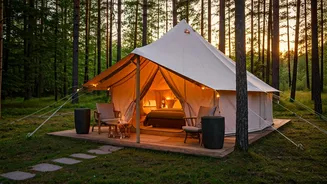
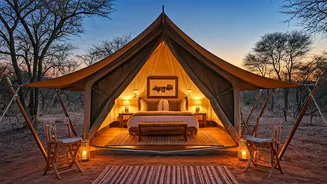
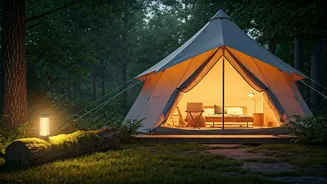
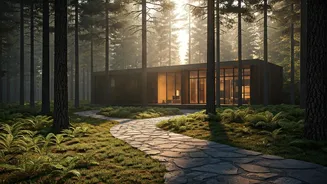
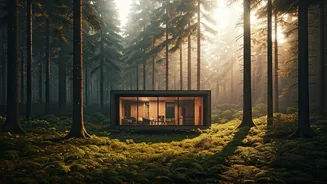
This movement isn’t about roughing it. A key reason forest escapes are winning over former hotel loyalists is the explosive growth of 'glamping' (glamorous camping) and design-forward cabin rentals. Companies like Getaway, AutoCamp, and Under Canvas have perfected the art of providing rustic aesthetics without sacrificing modern comforts. Their offerings typically include queen-sized beds with high-thread-count sheets, fully equipped kitchenettes, hot showers, and, often, Wi-Fi. They provide the Instagram-worthy shot of a minimalist cabin surrounded by trees, but also the practical amenities that make the experience accessible to everyone, not just seasoned outdoors-people. This hybrid model removes the barriers to entry, allowing travelers to feel adventurous and connected to nature while still enjoying the creature comforts they’d expect from a quality hotel.
Searching for an Authentic Experience
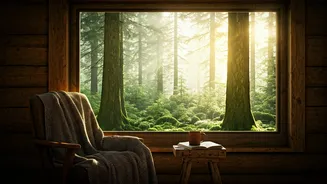
At its core, the trend is fueled by a search for authenticity and a break from the hyper-optimized modern world. A forest escape offers something a hotel rarely can: a unique sense of place. The experience is defined by the specific environment—the smell of pine in the Pacific Northwest, the sound of a babbling brook in the Appalachians, the vast, starry sky in the desert. It encourages a different kind of travel, one focused on simple pleasures like cooking a meal over a fire, reading a book on a porch, or going on a hike without a destination in mind. It’s a deliberate slowdown, a chance to disconnect from endless notifications and reconnect with oneself, with loved ones, and with the natural world. This focus on mental wellness and genuine disconnection is a powerful antidote to the pressures of daily life, and it’s a feeling that’s hard to find in a hotel conference room.