


The Queen of Hills Awakens
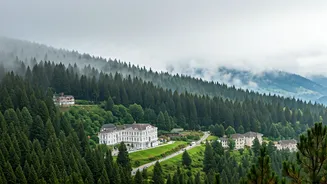
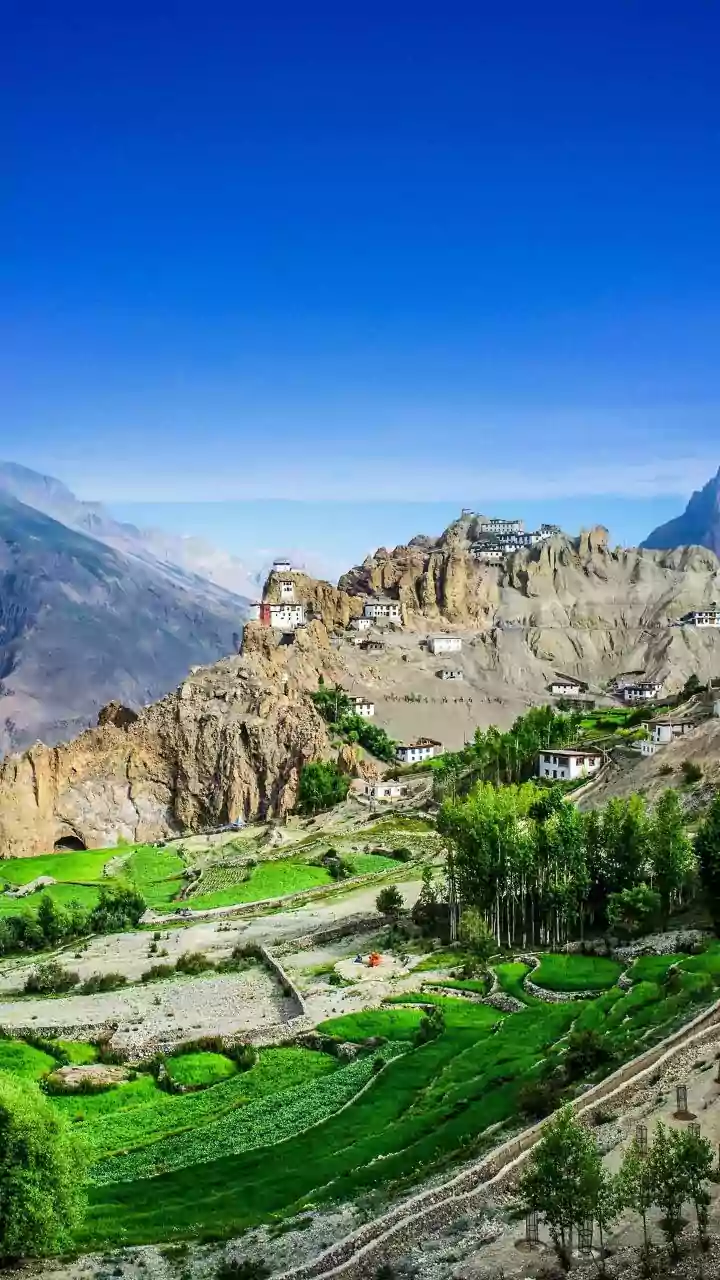
Nestled over 7,000 feet above sea level, Shimla is affectionately known as the 'Queen of Hills.' For nearly a century, it served as the summer capital of British India, a cool, pine-scented refuge from the scorching heat of the plains. That colonial legacy
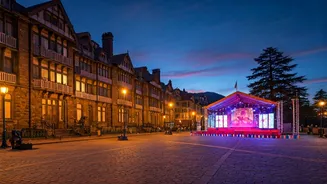
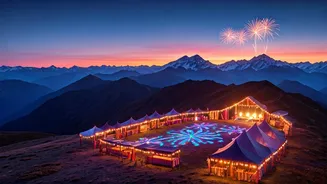
is etched into its very architecture, with neo-gothic structures like the Viceregal Lodge and the iconic Christ Church dotting the landscape. But while the ghosts of the British Raj still wander its winding roads, modern Shimla is a bustling Indian city with a soul all its own. Each year, as the last of the spring chill gives way to pleasant summer warmth, the city prepares for its most famous celebration, shaking off its sleepy, misty demeanor to embrace a carnival atmosphere.
The Ridge: More Than a Road
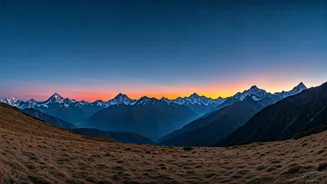
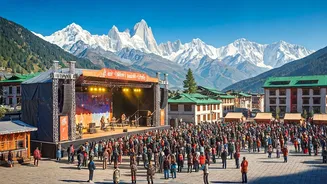
The heart of this transformation is The Ridge. To an outsider, it might just look like a wide-open road, but for the people of Shimla, it’s the city’s soul. This large, pedestrian-only stretch serves as the town square, cultural hub, and social epicenter all in one. Lined with statues and offering breathtaking, panoramic views of the snow-capped Himalayan ranges, The Ridge is where friends meet, families stroll, and the city breathes. Its strategic location, connecting the famous Mall Road to landmarks like the State Library and Christ Church, makes it the natural stage for any major event. During the Summer Festival, this beloved public space sheds its quiet dignity and becomes a kaleidoscope of activity, the central artery pumping life into the city-wide celebration.
A Symphony of Sights and Sounds
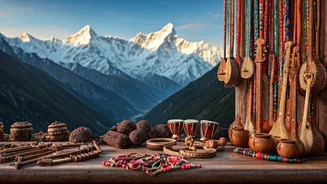
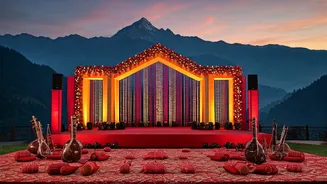
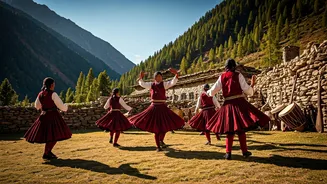
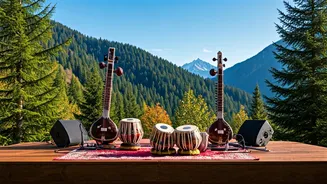
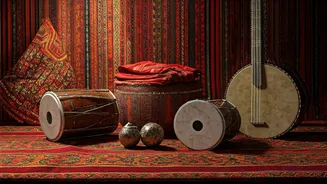
The Shimla Summer Festival is a sensory feast. Temporary stages erected on The Ridge host a dizzying array of performances from morning until night. The air fills with the sounds of traditional Himachali folk music, characterized by rhythmic drumming and soulful flute melodies. Dancers in brightly colored, hand-woven costumes perform the ‘Nati,’ a slow, graceful folk dance that tells stories of local life and mythology. Beyond local talent, the festival often attracts well-known singers and performers from across India, creating a unique blend of traditional and contemporary entertainment. Food stalls pop up, offering local delicacies like ‘siddu’ (a steamed bread stuffed with savory fillings) and other northern Indian street foods. A much-anticipated flower show displays a riot of rhododendrons, lilies, and roses, adding another layer of natural beauty to the festivities.
From Colonial Retreat to Cultural Showcase
What makes the Shimla Summer Festival so compelling is its evolution. The tradition of a 'summer season' in the hills was started by the British, a time for balls, parties, and high-society gatherings. After India's independence, this tradition was not discarded but brilliantly reimagined. Instead of colonial leisure, the festival became a platform to showcase the rich and diverse culture of Himachal Pradesh. It’s a powerful act of reclaiming a space and a season. Today, the festival is a proud assertion of local identity, drawing tourists not just for the pleasant weather but for an authentic cultural experience. It represents the perfect marriage of Shimla’s past and present—a post-colonial city celebrating its own heritage in a setting built by its former rulers.