

The Downfall of the Wellness Pedestal
For the better part of a decade, wellness eating felt like a competitive sport. The goalposts were constantly moving, but they always involved restriction, purity, and a hefty price tag. It was the era of ‘clean eating,’ a term that implicitly labeled
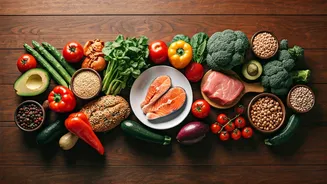
other foods ‘dirty.’ We were told to eliminate gluten, dairy, sugar, and joy, replacing them with cold-pressed juices, spirulina smoothies, and a pervasive sense of guilt if we ever ‘cheated.’ This prescriptive approach turned food into a moral battleground. Eating a quinoa bowl wasn't just lunch; it was a virtuous act. A doughnut, on the other hand, was a sign of moral failing. Brands capitalized on this, selling us expensive powders and demanding lifestyle overhauls. Social media feeds became a highlight reel of performative health, showcasing elaborate, photogenic meals that bore little resemblance to the realities of a busy life. The pressure was immense, and for many, the results were an unhealthy obsession with food, not a healthier relationship with it.
Why We Burned Out on ‘Perfect’
The pendulum has swung back, and hard. There are a few key reasons for this welcome rebellion. First, there was simple burnout. The constant vigilance required by restrictive diets is exhausting and, for most people, utterly unsustainable. The pandemic accelerated this, as people craved comfort and convenience, and the mental energy for maintaining a perfect diet simply wasn't there.
Second, a new wave of credentialed experts, particularly registered dietitians, took to platforms like Instagram and TikTok. Armed with science and a healthy dose of empathy, they began systematically debunking wellness myths and calling out the damaging effects of diet culture. They championed concepts like ‘intuitive eating’ and ‘food freedom,’ offering an alternative to the rigid rules that had dominated the conversation. Their message resonated: health is not a look, a weight, or a specific set of foods. It’s a complex, individual state of being.
The Rise of ‘Nutritional Addition’
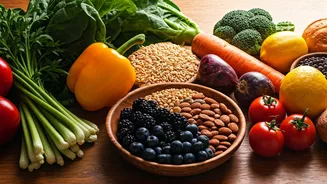
So, what does this new, more practical wellness look like? A key tenet is ‘nutritional addition’ over subtraction. Instead of focusing on what to cut out, the emphasis is on what to add in. You don’t have to give up your favorite pasta; instead, you might add a side salad or toss in some protein and vegetables. That frozen pizza for a busy weeknight? Maybe you add some fresh arugula on top after it comes out of the oven. It’s a gentle, non-judgmental approach that prioritizes satisfaction and nourishment without demonizing convenience or pleasure.
This shift is visible all over social media. The ‘What I Eat in a Day’ videos that once featured nothing but green sludge and sad salads now proudly display balanced, realistic meals: a bagel for breakfast, a hearty sandwich for lunch, and yes, even a cookie for dessert. The aesthetic has moved from pristine and untouchable to relatable and real.
Permission to Be a Person, Not a Project
Ultimately, this move toward practical wellness is about giving ourselves grace. It’s the recognition that our worth is not tied to the purity of our diet. It's an understanding that a truly healthy lifestyle has to accommodate stress, social events, tight budgets, and the simple desire for a piece of cake.
This doesn’t mean throwing nutrition out the window. Rather, it reframes it as one tool among many for feeling good, not the sole determinant of our health or character. It's about listening to your body’s cues for hunger and satisfaction, enjoying food without anxiety, and moving in a way that feels good. The goal is no longer to shrink ourselves or contort our lives to fit an impossible ideal. Instead, it’s about expanding our definition of health to include mental and emotional well-being, flexibility, and genuine pleasure.