




The Airport's Dual Identity
Before you can understand the rules, you have to understand the space. An airport feels like a public mall, but it operates under a complex web of federal and local regulations. The Transportation Security Administration (TSA), Customs and Border Protection
(CBP), and the airport authority itself all have jurisdiction. While the First Amendment protects speech and press in public forums, courts have consistently recognized that airports have the right to impose reasonable 'time, place, and manner' restrictions, especially in the name of security and operational efficiency. For a content creator, this means you can’t just assume you have the right to film everywhere. The primary mission of an airport is transportation and safety, not providing a film set. Understanding this fundamental tension is the first step to creating content responsibly and avoiding a confrontation with an agent or officer.
The Absolute No-Go Zones
Let’s start with the hard lines. There are specific areas where filming is almost universally banned, and attempting to do so can result in having your footage deleted, your equipment confiscated, or even facing fines or arrest. The number one restricted zone is the security screening checkpoint. Filming the monitors, the screening process, or TSA officers at work is strictly prohibited. This is to protect security procedures from being studied by those who might wish to circumvent them. Similarly, the area controlled by Customs and Border Protection is off-limits. Filming in passport control or customs inspection areas is a federal offense. These are secure international borders, even though they’re inside a building. Finally, any area behind a door marked 'Authorized Personnel Only' or beyond a secure access point is obviously forbidden territory.
Navigating the Gray Areas: Gates and Terminals
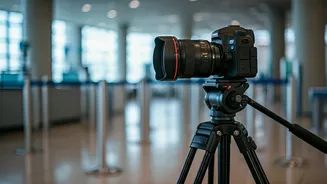
Once you're past security and into the main concourse or gate area—often called the 'sterile area'—the rules become murkier. This is where policies differ significantly between airports and even airlines. Generally, filming your own experience (e.g., a selfie-style video of you boarding) is tolerated. However, filming airline staff, gate agents, or other passengers without their consent can be problematic. Many airlines have policies that forbid filming their employees without permission. Some airports have overarching policies requiring a permit for any commercial filming, and a travel vlog that generates revenue could easily fall into that category. The 'ask for forgiveness, not permission' mantra is a terrible strategy here. A gate agent dealing with a delayed flight is not going to be sympathetic to your content needs. If you’re setting up a tripod or using professional-looking gear, you are far more likely to be stopped and questioned.
Best Practices for Professional Creators
To stay on the right side of the rules, you need to think like a professional producer, not just a casual tourist. First, do your homework. Before you even pack your camera, check the airport's website for their media or filming policy. Many larger airports have one. If you plan a significant shoot, contact the airport’s media relations or public affairs office well in advance. They can tell you the rules and help you secure the proper permits if needed. When filming, be discreet. A smartphone is less likely to draw attention than a large camera with a shotgun mic. Above all, respect people’s privacy and jobs. Never film people who clearly don't want to be on camera, and never interfere with airport operations or the duties of airline or security staff. A simple, polite request can go a long way.
A Special Note on Drones
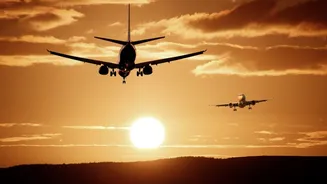
The temptation to get a stunning aerial shot of an airport or a plane taking off is strong, but this is the most regulated area of all. U.S. airspace is controlled by the Federal Aviation Administration (FAA). Flying a drone within five miles of most airports is strictly prohibited without specific authorization through programs like LAANC (Low Altitude Authorization and Notification Capability). The airspace around airports is complex and crowded, and an unauthorized drone poses a significant danger to aircraft. Violating these rules can lead to massive fines and potential prison time. Unless you are a licensed commercial drone pilot with explicit, documented permission for that specific operation, do not even consider flying a drone near an airport.