



The New High-Tech Study Buddy
In the hyper-competitive world of Indian higher education, a new player is entering the field: artificial intelligence. While the headline points to universities, the trend is most visible in the massive ed-tech ecosystem that surrounds them. Companies
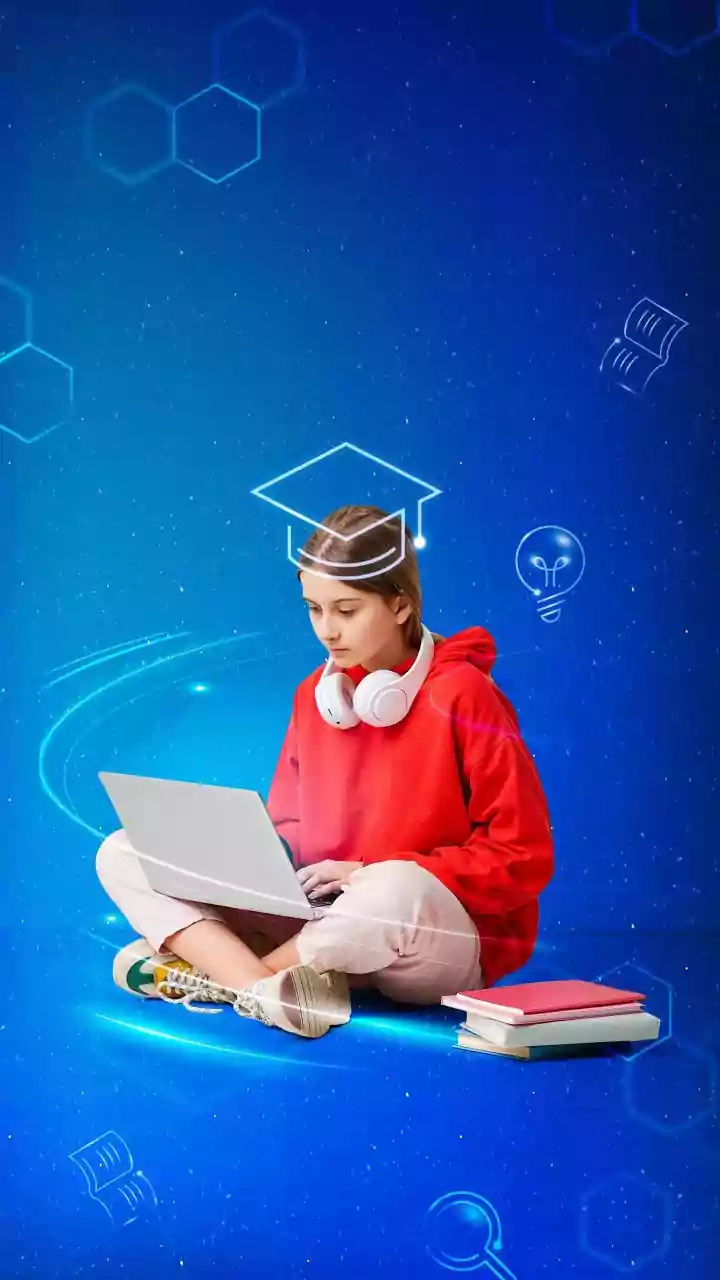
like PhysicsWallah and Allen Digital are rolling out AI-driven mentors and tutors designed to give students an edge. These platforms serve millions of high schoolers cramming for the make-or-break entrance exams that determine their future. The goal isn't just to digitize textbooks; it's to provide a personalized, responsive, and infinitely patient study partner. These pilots represent a significant bet that algorithms can deconstruct the formula for academic success and deliver it at an unprecedented scale, potentially leveling a playing field long tilted by access to expensive private coaching.
A Pressure Cooker Like No Other
To understand why India is a prime laboratory for this technology, you have to understand the sheer intensity of its exam culture. For American students, the SAT or ACT is a significant hurdle. For Indian students, exams like the JEE (for engineering) and NEET (for medicine) are more like the academic Hunger Games. Each year, millions of students compete for just tens of thousands of spots in elite institutions like the Indian Institutes of Technology (IITs). The acceptance rate for top IITs can be less than 1%. This immense pressure has fueled a multi-billion-dollar private coaching industry, where students spend years in grueling preparation. It's a system crying out for any innovation that can offer a competitive advantage, making it the perfect environment to stress-test AI's educational capabilities.
How an AI Tutor Actually Works
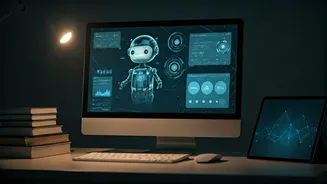
This isn't just a glorified FAQ chatbot. These personal AI tutors are sophisticated learning engines. A student struggling with a concept in thermodynamics, for example, won't just get a textbook definition. The AI can generate an endless stream of unique practice questions, calibrated to the student's specific skill level. It analyzes their wrong answers to pinpoint conceptual misunderstandings, then offers tailored video links, text explanations, or simpler, foundational problems to solve. It functions as a dynamic study planner, identifying a student’s weak areas and scheduling revision sessions. Think of it as the ultimate personalized flashcard system, a data-driven coach, and a 24/7 teaching assistant all rolled into one app. The AI is designed to diagnose and remedy knowledge gaps with a speed and precision that a single human teacher managing a large class could never hope to match.
The Promise and The Peril
The upside is enormous. For a fraction of the cost of traditional coaching centers, AI tutors promise to democratize access to elite-level instruction. A student in a remote village could theoretically receive the same quality of personalized guidance as a student in a major metropolis. It adapts to individual learning speeds, allowing faster students to accelerate and struggling students to get the reinforcement they need without feeling left behind. But the potential downsides are just as significant. Critics worry about an over-reliance on algorithmic learning, which could stifle creativity and critical thinking in favor of rote memorization and pattern recognition. It raises the question: are we training better thinkers or just better test-takers? Furthermore, there are concerns about the loss of human mentorship—the encouragement, intuition, and life advice that a great teacher provides—which no algorithm can yet replicate.