
The Foundation: Fiber-Packed Legumes
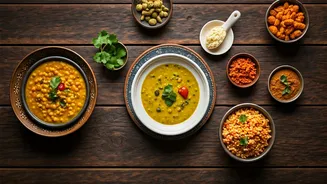
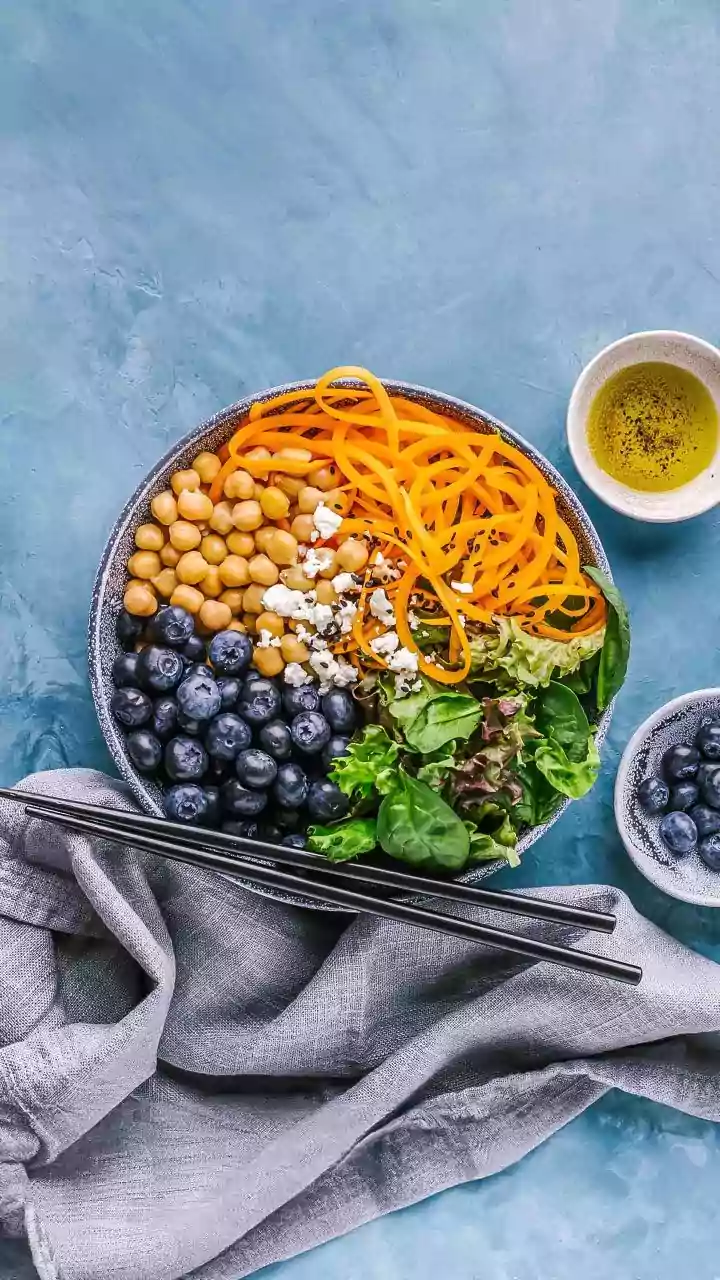
At the heart of countless Indian meals are lentils and legumes, collectively known as dal. From the creamy yellow dal tadka to the heartier chana masala (chickpeas), these pulses are a non-negotiable part of the daily diet. And for your gut, they are gold.
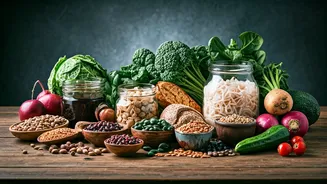
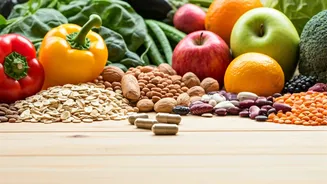
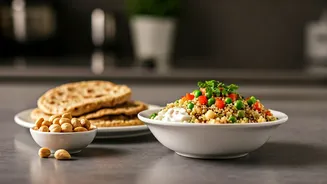
Legumes are loaded with dietary fiber, particularly soluble fiber, which acts as a prebiotic. Think of prebiotics as the preferred food for the trillions of beneficial bacteria living in your gut. A well-fed microbiome is a happy and diverse microbiome, which is directly linked to better digestion, a stronger immune system, and even improved mood. A simple bowl of dal served with brown rice or whole wheat roti isn't just comfort food; it's a complete, gut-nourishing meal.
The Spice Cabinet as a Medicine Cabinet
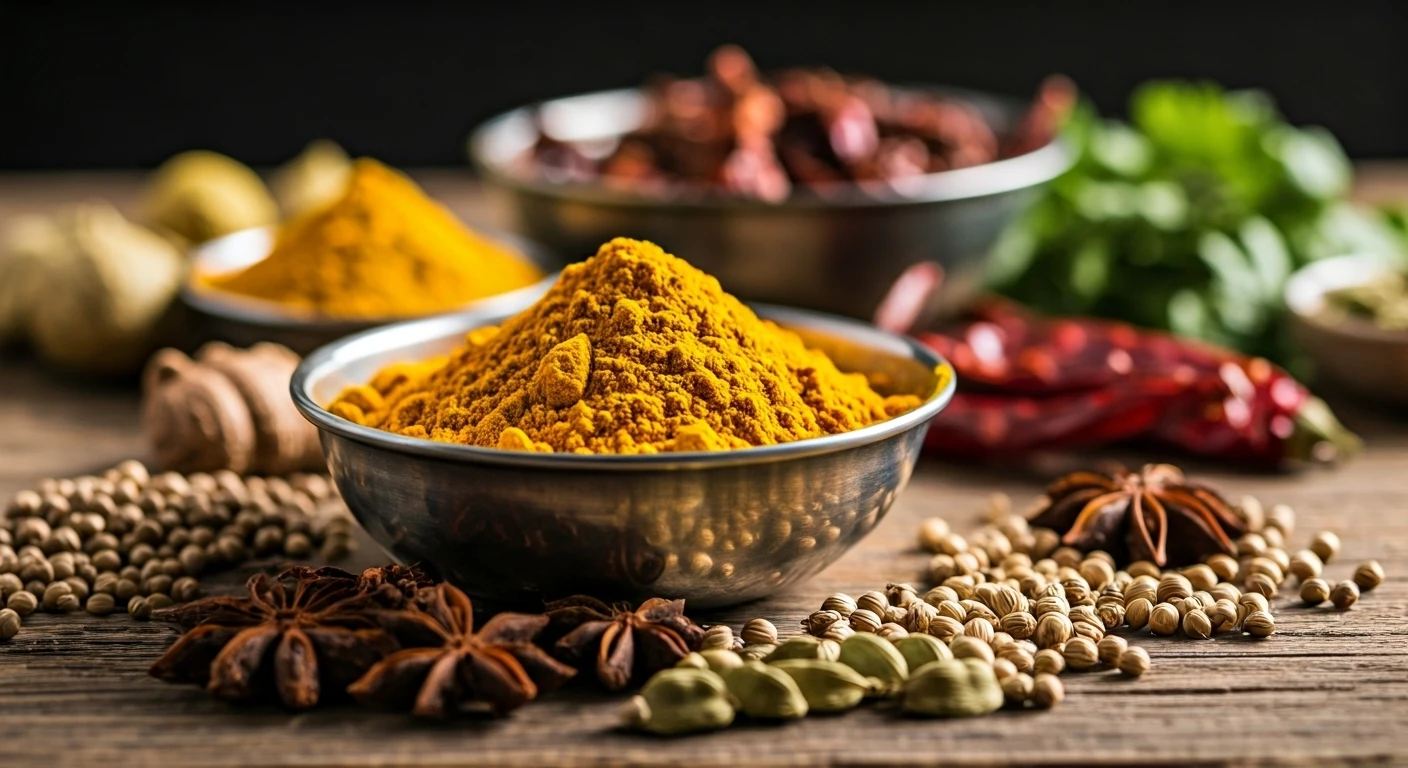
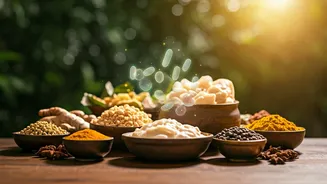
Indian cooking is famous for its masterful blend of spices, but these ingredients do more than just add incredible flavor. Many are potent anti-inflammatory and digestive aids. Turmeric, with its active compound curcumin, is a world-renowned anti-inflammatory that helps soothe the gut lining. Ginger is a classic remedy for nausea and indigestion, promoting the healthy movement of food through your digestive tract. Cumin seeds are known to stimulate digestive enzymes, while coriander has been used for centuries to calm an upset stomach. When these spices are bloomed in hot oil (a technique called 'tadka' or 'tempering'), their beneficial compounds become more bioavailable, meaning your body can absorb and use them more effectively. This symphony of spices works together to create a meal that not only tastes amazing but actively supports your digestive wellness.
The Fermentation Factor
Here's a secret that often gets overlooked: Indian cuisine is rich in naturally fermented foods. Fermentation introduces beneficial bacteria, or probiotics, into your diet. These live microorganisms help maintain a healthy balance in your gut ecosystem. Consider the popular South Indian staples, idli (steamed rice cakes) and dosa (savory crepes). Their batter is made from a mixture of rice and lentils that is left to ferment for hours, creating a light, airy texture and a probiotic-rich final product. Then there's dahi (homemade yogurt), a cornerstone of many regional diets. It's used to make cooling raitas, refreshing lassi drinks, or simply eaten on the side of a meal. Unlike many store-bought yogurts, traditional dahi is teeming with live cultures that directly replenish your gut's good bacteria.
The Power of Plant Diversity
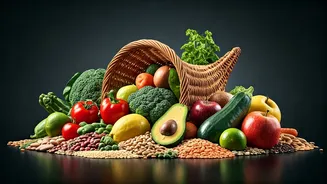
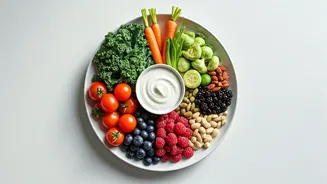
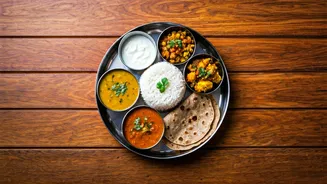
A traditional Indian 'thali'—a platter featuring small bowls of various dishes—is the perfect illustration of the cuisine's emphasis on variety. A typical thali might include a dal, a vegetable curry (sabzi), a salad, a raita, pickles, and a grain like rice or roti. Eating this way ensures you consume a wide array of plant-based ingredients in a single sitting. Nutrition science increasingly points to the importance of plant diversity for gut health; the more varied your intake of fruits, vegetables, grains, and legumes, the more diverse and resilient your gut microbiome becomes. Each plant food provides a unique set of fibers and phytonutrients that feed different types of beneficial bacteria. So, that colorful plate isn't just for looks—it's a deliberate strategy for balanced nutrition and a thriving internal ecosystem.
Look Beyond Restaurant Fare
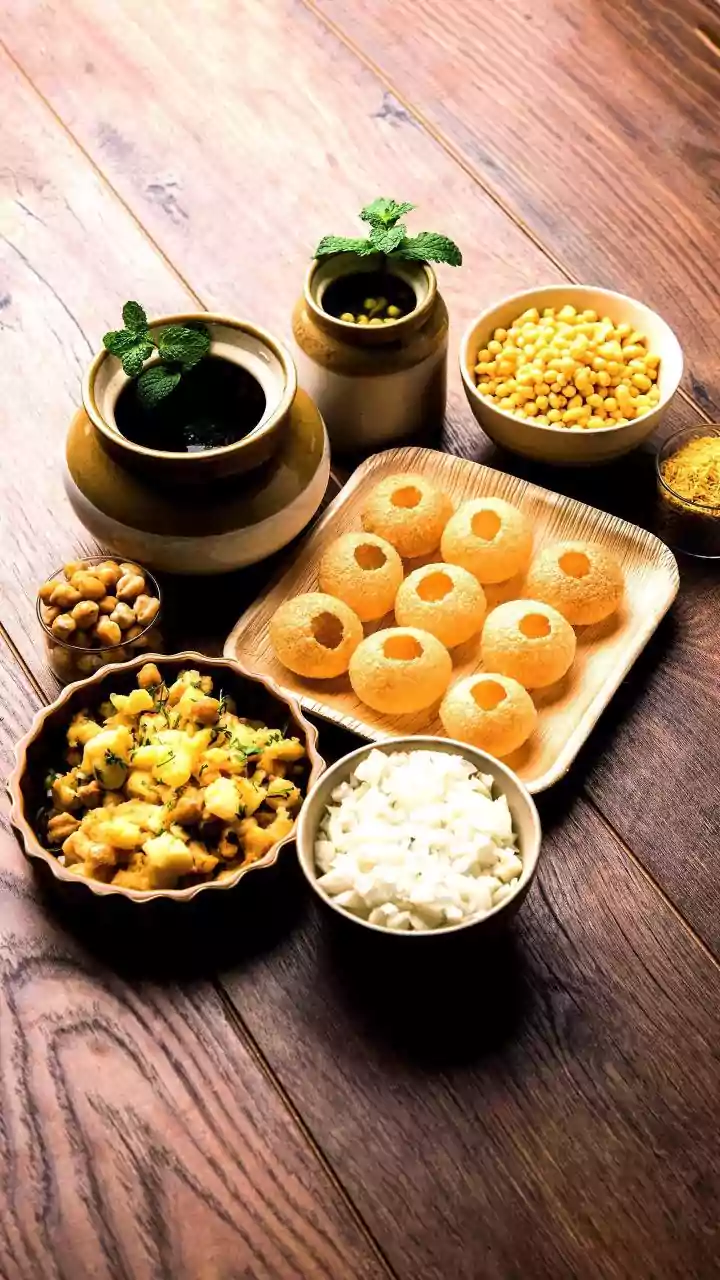
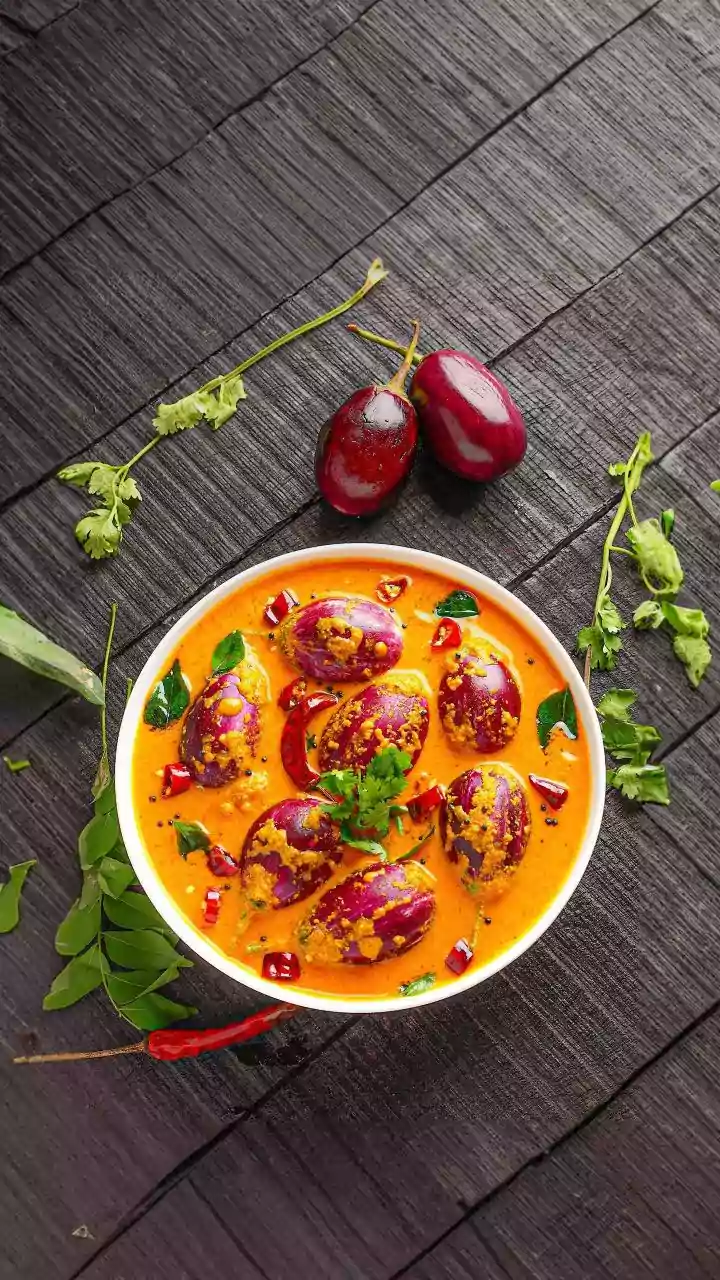
It’s important to distinguish authentic, home-style Indian cooking from the often heavier, cream-laden versions served in many Western restaurants. While delicious, those dishes are often richer and less nuanced than the everyday meals eaten across India. The true gut-friendly power of Indian cuisine lies in its regional, home-cooked variations that prioritize fresh vegetables, lentils, and a balanced use of spices over excessive cream and oil. Exploring recipes for simple vegetable sabzis, regional dals, or whole-grain breads like bajra or jowar roti can open up a new world of flavor that aligns perfectly with a health-conscious lifestyle.