






The Invisible Threat in the Open Air
The allure of street food is undeniable. It’s fresh, fast, and often represents the most authentic flavors a city has to offer. We see it on travel shows and foodie blogs, a romanticized vision of culinary adventure. Part of that rustic charm is the setup
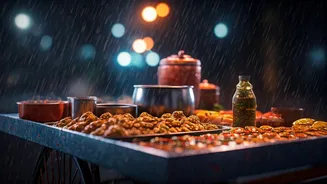
itself: simple, open, and seemingly transparent. But 'open' is precisely the problem. Any food left uncovered in a busy urban environment is a magnet for contaminants that are invisible to the naked eye. We’re not just talking about an occasional fly. Think about airborne dust, vehicle exhaust particles, and aerosolized germs from the coughs and sneezes of countless passersby. These contaminants settle directly onto the food, turning a delicious snack into a potential vector for illness. While your stomach might be able to handle some foreign bacteria, the constant exposure of uncovered food creates a level of risk that even seasoned travelers should not ignore.
A Perfect Storm for Bacteria
Food safety experts constantly talk about the 'Temperature Danger Zone.' This is the range between 40°F and 140°F where bacteria like Salmonella, E. coli, and Listeria can multiply at an alarming rate. A bowl of chutney, sauce, or salsa left sitting on a cart all day is almost certainly living in this danger zone. The ambient temperature, especially in the warm climates where street food culture thrives, provides the perfect incubator. A small, initially harmless amount of bacteria can become a full-blown colony in a matter of hours. While cooking food to a high temperature can kill most of these pathogens, condiments are rarely cooked on the spot. They are prepared in batches, often in the morning, and then left to sit. Every minute they spend in the danger zone, uncovered and unrefrigerated, increases the likelihood that they will cause food poisoning, which can range from a day of discomfort to a serious medical emergency.
The Chutney Conundrum
Chutneys and other wet condiments are particularly hazardous for a few key reasons. First, their high water content is essential for bacterial growth. Dry items like crackers or bread are far less hospitable to microbes. Second, while some chutneys are protected by high acidity (from ingredients like vinegar, lemon, or tamarind), many popular versions—like mint-coriander or coconut—are closer to a neutral pH, making them even more susceptible. Finally, they are a communal resource. Dozens of customers may use the same spoon to scoop from the same open bowl, creating a cycle of cross-contamination. A sick person’s hands touching the spoon can transfer germs that then fester in the condiment, waiting for the next unsuspecting customer. Unlike a piece of meat grilled right in front of you, the history of that bowl of chutney is a complete mystery. You have no idea how long it’s been sitting out or what it’s been exposed to.
How to Choose Street Food Safely
This isn't a warning to avoid street food entirely. It’s an appeal to be a smarter consumer. The key is to observe and choose wisely. Look for vendors with long lines and high turnover; this indicates the food is popular and isn't sitting around for long. Prioritize foods that are cooked to order, right in front of you, at a very high temperature. A sizzling wok or a deep fryer is your friend. When it comes to condiments and sauces, look for vendors who keep them in covered containers, squeeze bottles, or individual packets. A vendor who takes these precautions is demonstrating an understanding of basic food hygiene. If you see big, open bowls of anything—especially wet, room-temperature items like chutney—it's a clear signal to pass. Your digestive system will thank you for your prudence.