






The Shifting Sands of Ambition
For years, the development playbook for a beautiful coastline was simple: build hotels, restaurants, and attractions as close to the water as possible. The goal for Andhra Pradesh, with its nearly 600-mile-long coast along the Bay of Bengal, was to transform
cities like Visakhapatnam (Vizag) into premier tourist hubs, rivaling other global beach destinations. This meant plans for luxury resorts, seaside promenades, and vibrant commercial strips designed to maximize ocean views and foot traffic. The economic logic was undeniable, promising jobs and revenue in a state eager for growth. But that logic was built on a stable and predictable environment—an assumption that no longer holds true.
A Coastline Under Constant Threat
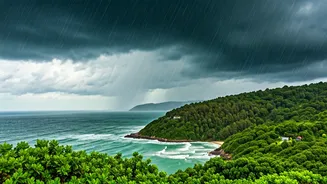
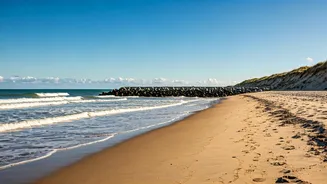
The Bay of Bengal has always been a hotbed for cyclonic activity, but climate change is turning up the dial. Scientists and residents have noted an unnerving trend: storms are becoming more frequent, more intense, and more erratic. Powerful cyclones like Hudhud in 2014 and, more recently, Asani and Michaung, have lashed the Andhra coast, causing widespread destruction, severe beach erosion, and flooding. These aren't just one-off disasters; they are becoming a regular feature of the regional climate. The very beaches that were the foundation of tourism plans are literally washing away. In some areas, the sea has advanced dozens of feet inland, swallowing up land where developers once dreamed of building. This new, volatile reality has made the old model of concrete-heavy, shoreline-hugging construction not just risky, but reckless.
What 'Weather-Sensitive' Actually Looks Like
In response, Andhra's strategy is slowly but surely pivoting. The term “weather-sensitive” is less about a single blueprint and more about a new philosophy. For one, there's a growing emphasis on obtaining “Blue Flag” certification for beaches like Rushikonda in Vizag. This international eco-label requires strict standards for water quality, safety, and environmental management, discouraging the kind of development that harms the local ecosystem. Secondly, new construction projects are being designed with resilience in mind. Instead of solid concrete walls that can be undermined by wave action, planners are exploring elevated structures, buildings set back much further from the high-tide line, and the use of natural, “soft” barriers like mangrove forests and casuarina plantations to absorb storm surge and prevent erosion. It’s a move away from fighting the sea and toward learning to live with its power.
A Glimpse of a Global Future
While this story is unfolding halfway across the world, it should sound eerily familiar to many Americans. The challenges facing Andhra Pradesh are a mirror image of those confronting coastal communities in the U.S. Florida is spending billions to truck in sand for its eroding beaches and elevate roads in Miami. The Outer Banks of North Carolina see houses topple into the Atlantic after storms. Louisiana is losing land at an astonishing rate, forcing a radical rethink of where and how people can live. The conversation in Vizag about setback rules, sustainable infrastructure, and nature-based solutions is the same one happening in Charleston, Houston, and coastal New Jersey. The specific cyclones may have different names, but the fundamental problem—how to adapt human ambition to a planet in flux—is universal. Andhra Pradesh’s struggles and fledgling solutions offer a real-time case study in the compromises and innovations that will define coastal life everywhere for the foreseeable future.