





The Lake at the Center of It All
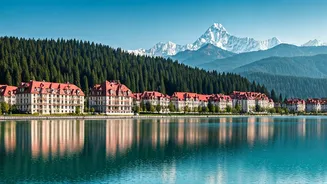
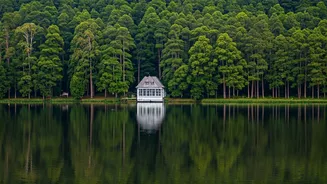
Everything in Nainital revolves around Naini Lake, the shimmering emerald heart of this former British hill station. According to Hindu mythology, the lake is one of the spots where the goddess Sati’s eyes fell to earth, giving it a sacred reverence.
But for visitors, its charm is more tangible. Brightly painted rowboats and swan-shaped paddleboats glide across its surface, their gentle ripples reflecting the surrounding Kumaon hills. The most quintessential Nainital experience is hiring a boatman to slowly row you across the water, pointing out historic landmarks and sharing local lore as the crisp mountain air fills your lungs. In the evenings, the lights from hillside hotels and homes twinkle on the water, creating a scene that feels both vibrant and deeply peaceful. It’s the town’s living room, its centerpiece, and its soul.
A Stroll Through British India
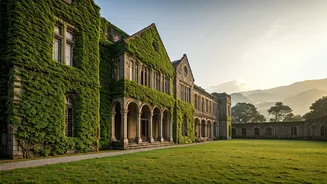
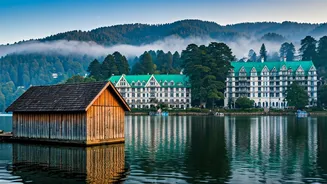
Walking along The Mall Road, which hugs the shore of the lake, is like stepping onto a film set for a Merchant Ivory production. This is where Nainital’s “old-world charm” is most pronounced. Established in the mid-19th century as a summer retreat for British colonial administrators and their families fleeing the scorching heat of the plains, the town retains a distinct English character. You’ll find Gothic-style churches, half-timbered bungalows with names like “Primrose,” and grand old hotels that whisper tales of a bygone era. The Governor's House, known as Raj Bhavan, is a magnificent example of Victorian Gothic architecture, reminiscent of a Scottish castle. While the lower Mall Road is busy with shops and modern activity, the quieter Upper Mall Road offers panoramic views and a direct connection to the town's colonial past, inviting a leisurely pace that modern life rarely affords.
Whispers of the Past in Quiet Corners
While the lake and The Mall are Nainital’s main attractions, its true magic lies in the quieter corners waiting to be discovered. A short walk from the bustling town center leads you to Gurney House, the former home of the legendary hunter-turned-conservationist Jim Corbett. The modest cottage is now a small museum, preserved as it was when he lived there, offering an intimate glimpse into the life of the man who gave his name to India’s first national park. Another essential stop is St. John in the Wilderness, an Anglican church consecrated in 1846. Tucked away amongst deodar trees, its peaceful cemetery and beautiful stained-glass windows feel a world away from the tourist crowds. These spots aren't just historical sites; they are atmospheric anchors that ground the visitor in the town's layered identity, rewarding those who venture off the main path.
The Modern Embrace of Heritage
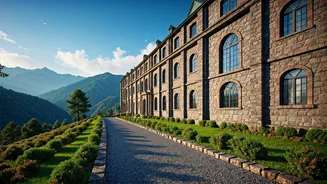
So why is this charm “back”? The truth is, it never really left. What has changed is the traveler. In a world saturated with fleeting trends, there's a growing appreciation for authenticity and a slower, more meaningful pace. Nainital delivers this in spades. Today, entrepreneurs are thoughtfully restoring colonial-era properties into boutique heritage hotels and charming cafes, preserving the architecture while updating it for modern comfort. Visitors are increasingly seeking out the town’s hiking trails, bird-watching opportunities, and quiet viewpoints over jam-packed itineraries. The “return” of old-world charm is less a physical change and more a shift in mindset—a collective rediscovery of the timeless qualities that have defined Nainital for over 150 years. It’s a destination that perfectly suits the modern traveler’s desire to disconnect from the noise and reconnect with history, nature, and a sense of place.