






The Storm Inside and Out
The annual monsoon in states like Arizona and New Mexico is a dramatic, life-giving event. It breaks the summer heat with theatrical downpours, but it also brings challenges that go beyond the risk of flash floods. Humidity seeps into everything, dust
turns to mud that gets tracked across the floor, and the sudden storms can leave you feeling cooped up and restless. Your home, meant to be a sanctuary, can quickly feel cluttered and chaotic—a reflection of the storm raging outside. The gear you need (rain boots, umbrellas, towels by the door) adds another layer of stuff to manage. This creates a kind of low-grade seasonal stress, where the environment both outside and inside your home feels overwhelming and difficult to control.
Minimalism as an Anchor
This is where minimalism, often misunderstood as sterile emptiness, reveals its true purpose. It’s not about getting rid of all your belongings; it's about intentionally curating your environment to support your well-being. When the world outside is wild and unpredictable, creating a simplified, orderly space inside provides a powerful psychological anchor. A minimalist home has less visual noise, which reduces cognitive load and promotes a sense of calm. With fewer possessions demanding your attention—to be cleaned, organized, or moved out of the way—you free up mental energy. Instead of fighting against the season, you create a sanctuary that allows you to appreciate it from a place of peace.
Clear Surfaces, Clear Mind
Let’s get practical. One of the biggest annoyances of monsoon season is the mess. Rain, wind, and dust conspire to make keeping a house clean a Sisyphean task. Now, imagine your home with 30% fewer things. Cleaning is no longer a multi-hour project. Wiping down a muddy floor is simple when you don't have to move five decorative baskets first. Dusting is a breeze when surfaces are clear. When your dog runs in with muddy paws, the cleanup is contained and manageable. This isn’t just about aesthetics; it’s about reclaiming time and energy. By strategically reducing the number of items in your home, you are directly reducing the friction of daily life during a high-maintenance season. The less you have to manage, the more you can simply exist and enjoy the moment.
Curating Your Monsoon Cocoon
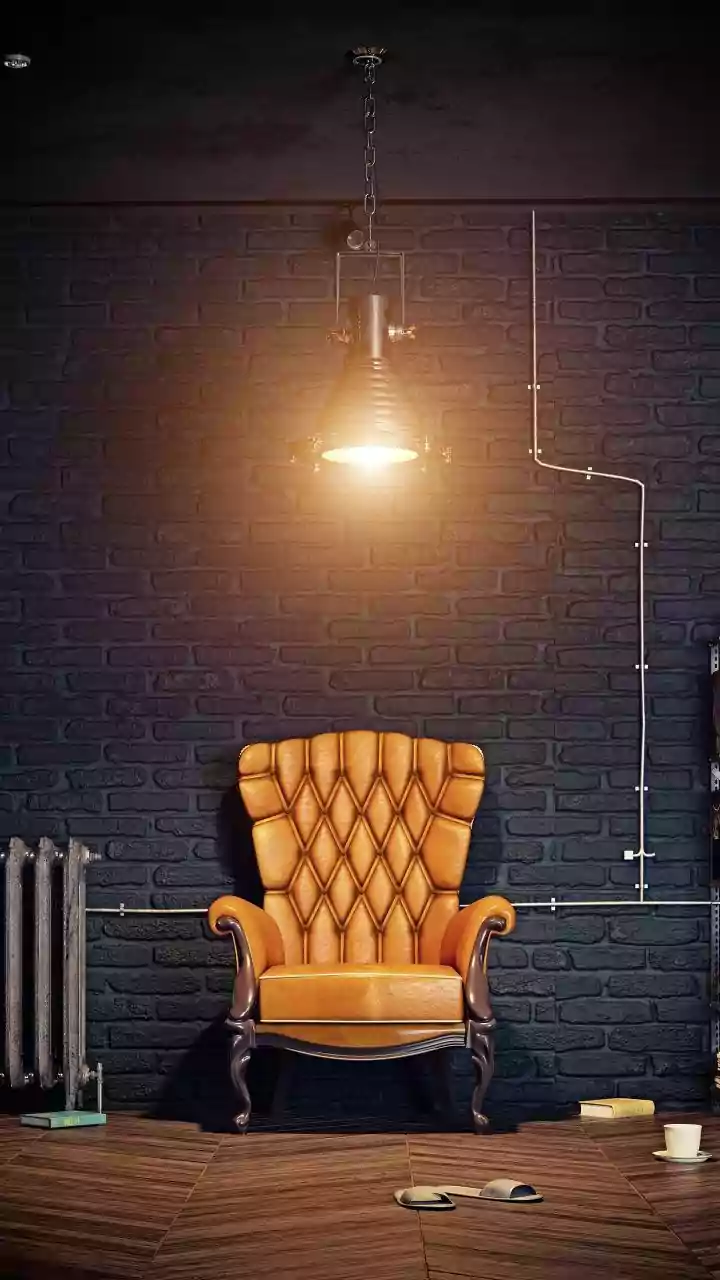
Minimalism isn’t about deprivation; it’s about prioritization. Once you’ve cleared the clutter, you can be more intentional about what remains. Think of it as curating your perfect “monsoon cocoon.” What do you actually need to feel cozy and content while the rain falls? Maybe it’s one incredibly comfortable armchair positioned by a window for optimal storm-watching, rather than a bulky sofa set that cramps the room. It could be a single, high-quality lamp that provides warm light for reading when the power flickers, instead of a dozen mismatched lamps. It’s about choosing the perfect woolen blanket, the one mug that feels just right in your hands for a cup of tea, and a small, well-chosen collection of books or board games. You’re not just removing things; you’re making space for the few things that truly enhance the experience.
An Uncluttered Schedule for a Rainy Day
The minimalist ethos can extend beyond your physical possessions and into your schedule. Monsoon storms often force a change of plans, canceling hikes, patio dinners, or evening strolls. Instead of seeing this as an interruption to a packed schedule, a minimalist mindset sees it as an invitation to do less. The weather provides a perfect excuse to say no to obligations and embrace slowness. It’s an opportunity to unschedule your life for an afternoon. Don’t rush to fill the time with a frantic tidying project or a digital binge. Let the storm be the main event. Listen to the rhythm of the rain. Read a book without a goal of finishing it. Talk with your partner or family. By clearing your calendar as well as your countertops, you give yourself the gift of presence—the ultimate luxury.