






The Ultimate Backstage Pass
The 'serious excuse' is Open House London, an annual festival that is essentially the city’s architectural open-door policy. For two weeks every September, hundreds of buildings that are typically closed to the public unlock their doors for free. We’re
not just talking about museums with slightly longer hours. This is your chance to step inside private homes designed by famous architects, tour the engine rooms of iconic infrastructure, and walk the halls of power that are usually only seen on the news. It’s an unparalleled opportunity to experience the built environment of one of the world's great cities not as a tourist, but as an insider. The festival is so popular with Londoners that you’re not just seeing buildings; you’re participating in a city-wide celebration of design, history, and community.
Walk the Halls of Power
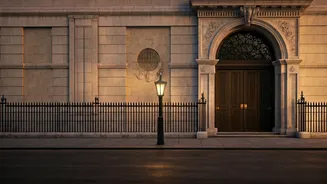
Imagine standing inside the Foreign, Commonwealth & Development Office, a magnificent Victorian building whose grand interiors were designed to project the scale of the British Empire. During the Open House festival, you can. While a tour of 10 Downing Street is a lottery-based unicorn, many other significant government buildings swing open their doors. These are places where history is made, full of stunning mosaic floors, soaring atriums, and ornate meeting rooms that are normally accessible only to diplomats and civil servants. This is your chance to appreciate the architectural language of power and governance up close, from the intimidating grandeur of 19th-century ministries to the sleek, modern transparency of contemporary civic buildings.
Explore Secret Histories and Hidden Homes
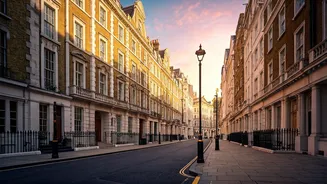
London's story is told in its layers, and the festival gives you access to nearly all of them. Forget just looking at the outside of a perfect Georgian terrace; Open House often features private homes within them, allowing you to see how 21st-century life adapts to 18th-century architecture. You can descend into the basements of Roman ruins that are hidden beneath modern office blocks or discover medieval guildhalls that are still used by ancient city trades. The program often includes access to private clubs, hidden gardens, and quirky residential conversions—like former water towers or industrial warehouses transformed into stunning living spaces. It’s a treasure hunt where the prize is a deeper understanding of how the city has evolved.
See Modernist and Contemporary Icons
For those whose tastes lean more towards concrete, steel, and glass, the festival is a pilgrimage. You can often get inside landmarks of British modernism, from the iconic BT Tower with its 360-degree views to seminal Brutalist housing estates like the Barbican, where you might get to peek inside a resident's apartment. It’s a chance to reassess buildings that can be divisive, understanding the architect's original utopian vision. The festival also champions the new. Leading architecture firms often open their studios, and you can tour the latest Pritzker Prize-winning corporate headquarters or groundbreaking sustainable developments. It’s a look not just at London's past, but at its architectural future.
How to Make the Most of It
A little planning goes a long way. The full program is usually released online in August. Some of the most popular locations—especially private residences and government buildings—require advance booking via a ballot system, so it pays to be organized. For other sites, it’s simply a matter of showing up and being prepared to queue. The key is to mix it up. Plan your 'must-see' ballot entries, but also build a list of walk-in options in a specific neighborhood. This way, you can spend a day exploring one area, hopping from a historic church to a contemporary office building to a private garden, experiencing the city's incredible architectural density firsthand.