








From Flash to Frugality
The conspicuous consumption that defined previous generations is losing its luster. Gen Z, born between 1997 and 2012, came of age watching Millennials grapple with student debt, navigating a global pandemic that disrupted their entry into the workforce,
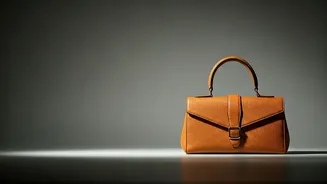
and now facing historic inflation. This economic reality has profoundly shaped their values. Why show off a $1,000 handbag when your primary goal is building an emergency fund?
This isn't to say they don't value nice things, but the emphasis has shifted from overt branding to understated quality and, more importantly, financial prudence. The ultimate flex is no longer about what you can afford to waste, but what you can afford to save. The 'loud luxury' of logo-heavy status symbols is being replaced by 'quiet luxury' and, even more radically, a pride in smart financial management. It’s a quiet rebellion against the 'live for the moment' ethos that left many of their predecessors feeling financially exposed.
The Financial Literacy Flex
Scroll through TikTok and you’ll find a surprising trend alongside dance challenges and comedy skits: financial advice. Dubbed 'FinTok,' this corner of the internet is where Gen Z creators break down complex topics like high-yield savings accounts, Roth IRAs, and credit card hacking. Getting your finances in order has become a celebrated act of self-care and empowerment.
Showing off a perfectly balanced budget spreadsheet or sharing tips on how to build a credit score is the new-school equivalent of posting a picture of a new sports car. It signals control, foresight, and stability—qualities that are becoming aspirational in an unstable world. This isn’t about becoming a Wall Street tycoon; it’s about achieving financial independence and security on their own terms. When a 22-year-old explains how they maxed out their retirement account, they’re not just sharing information—they’re flexing their discipline and planning.
Ethical Consumption as Status
The 'smart choice' extends beyond personal finance and into the realm of consumption itself. For a generation hyper-aware of climate change and labor issues, what you buy—and what you don't—is a powerful statement. Thrifting, once seen as a necessity, is now an aesthetic and ethical choice celebrated through 'thrift haul' videos. Mending a favorite pair of jeans or upcycling furniture isn’t just resourceful; it’s a rejection of the wasteful fast-fashion and consumer cycles.
Choosing a sustainable, transparent brand over a hyped-up legacy label is another form of this flex. It demonstrates awareness and a value system that prioritizes more than just a logo. This movement has even spawned 'de-influencing,' where creators tell their followers what *not* to buy, pushing back against overconsumption and saving their audience money. In this context, the most impressive consumer isn't the one with the most stuff, but the one with the most intentional and ethical collection of belongings.
Wellness as the Ultimate Luxury
Perhaps the most significant shift is the flexing of personal boundaries and mental well-being. Where 'hustle culture' and burnout were once worn as badges of honor, Gen Z is championing the right to log off. This is visible in workplace trends like 'quiet quitting'—not as an act of laziness, but as a conscious decision to perform your job duties without sacrificing your personal life and mental health for a company that may not invest back in you.
Publicly setting boundaries, taking mental health days, and prioritizing therapy are all part of this new status symbol. It’s a flex against the always-on, productivity-obsessed culture that they witnessed taking a toll on older generations. Saying 'no' to a demanding project or leaving work at 5 p.m. guilt-free is seen as an act of power. In a world that constantly demands more, the ultimate luxury is reclaiming your time and peace of mind.