


The Search for Quiet
In a world of constant notifications and relentless hustle, the ultimate commodity has become peace. Traditional luxury, with its emphasis on opulence, social performance, and packed itineraries, can sometimes feel like another job. This has given rise
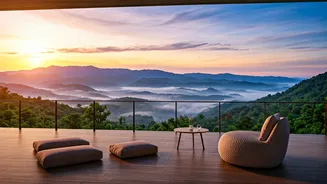
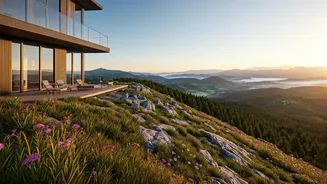
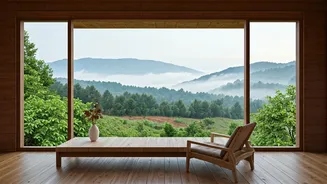
to ‘calm luxury’—a philosophy centered on experience, privacy, and well-being over conspicuous consumption. It’s not about having the most, but about feeling the best. Mountain homestays have emerged as the perfect embodiment of this new ideal. These are not rustic, bare-bones shacks. Instead, they are often thoughtfully designed spaces—think a modern A-frame in the Catskills or a renovated cabin in the Rockies—that blend comfort with a profound sense of place. The luxury isn't a gold-plated faucet; it's a floor-to-ceiling window framing an untouched forest, a high-quality espresso machine for a slow morning, and the profound silence that descends after a fresh snowfall.
Authenticity Over Amenities
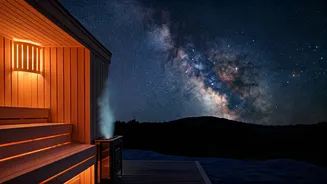
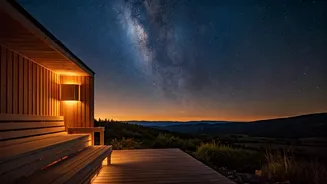
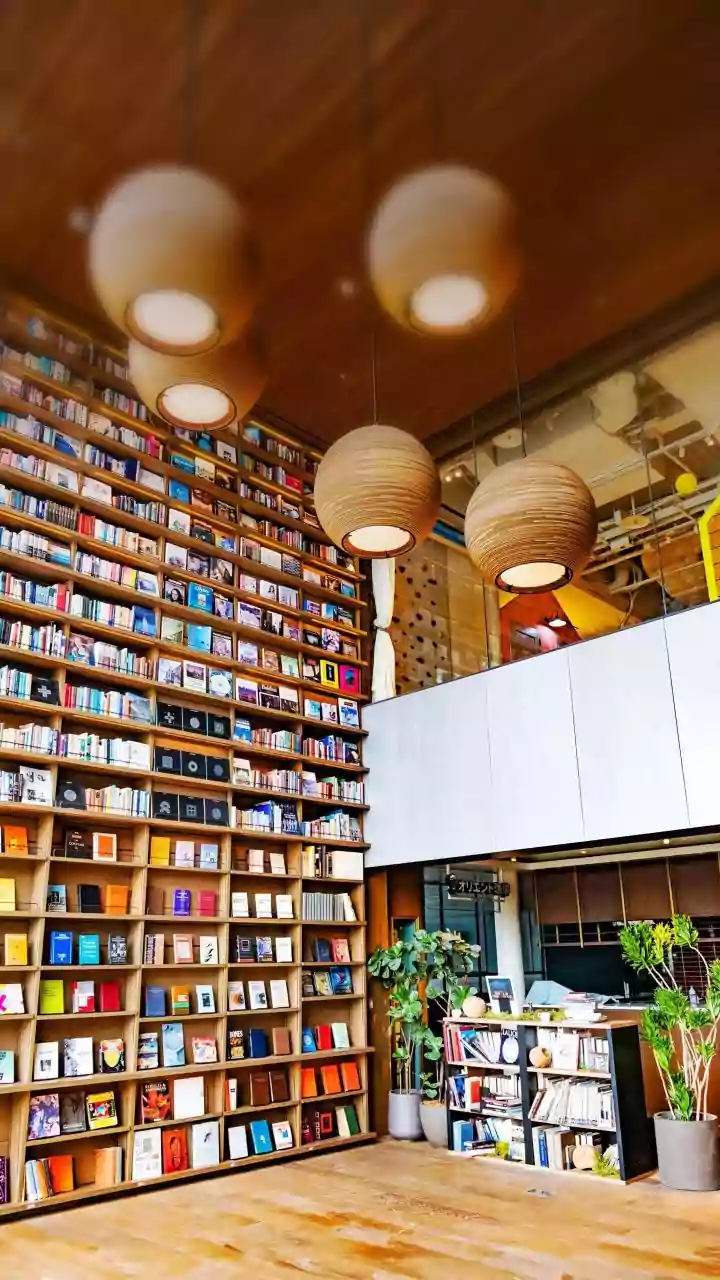
Unlike the standardized experience of a hotel chain, the appeal of a homestay lies in its unique character. The owner’s personality is often subtly expressed through the curated details: a well-stocked bookshelf filled with dog-eared paperbacks, locally crafted pottery in the cupboards, or a vintage record player with a collection of classic LPs. These touches create a feeling of being a guest in a real home, fostering a deeper connection to the destination. This trend prioritizes authenticity over a long list of amenities. Travelers are trading the 24-hour gym and corporate spa for a private hiking trail, a wood-fired sauna, or a simple porch with two rocking chairs. The experience is less about being passively entertained and more about actively participating in a slower, more deliberate way of life, even if only for a weekend. It's about the joy of cooking a meal in a beautiful kitchen instead of making a reservation.
The Psychology of Escape
The collective burnout from a hyper-connected, post-pandemic world has fundamentally shifted what we seek from a vacation. For many, the goal is no longer just to see a new place, but to disconnect and recharge on a deeper level. Mountain landscapes provide a powerful psychological backdrop for this kind of renewal. Being surrounded by the steadfast, quiet grandeur of peaks and forests can be profoundly grounding, putting our own daily stresses into perspective. The physical isolation of a mountain homestay becomes a key part of its appeal. Being miles from the nearest town isn’t an inconvenience; it’s the entire point. It creates a protective bubble where the demands of the outside world fade away, allowing for genuine rest. In this context, ‘boredom’ is reframed as a luxury—the luxury of having an empty schedule and the mental space to simply be.
The New Status Symbol is Stillness
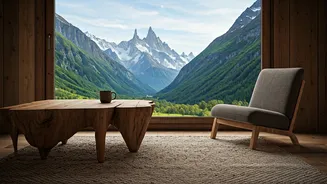
If luxury has always been a way to signal status, then the mountain homestay signals a new kind of status: the ability to opt out. In an age where being busy is often worn as a badge of honor, choosing to be unreachable and unproductive is the ultimate power move. A photo of a steaming mug held before a misty mountain view has replaced the cliché shot of champagne glasses by the infinity pool. It tells a different story—one not of wealth, but of well-being. This isn't about roughing it. These properties offer high-thread-count sheets, gourmet kitchens, and high-speed Wi-Fi (for those who can’t fully unplug). The comfort is still there, but it’s understated. It serves the experience of tranquility rather than being the experience itself. It’s a backdrop for reading, conversation, and quiet contemplation.