



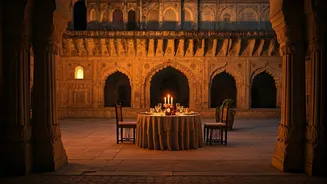


An Architectural Time Capsule
First, it helps to understand what a haveli is. Long before the first Hilton or Marriott was built, wealthy merchants and nobles in Rajasthan constructed these sprawling, intricate mansions. A haveli is more than a house; it’s a self-contained world.
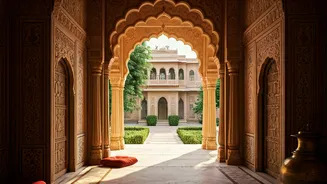
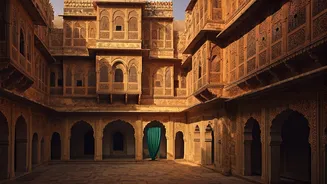
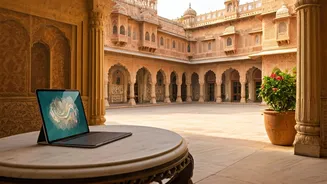
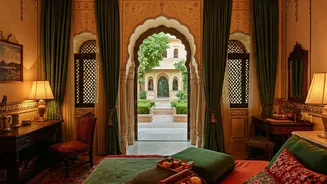
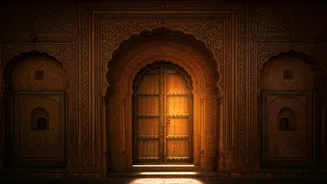
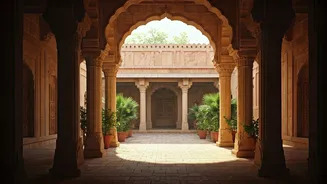
Built around one or more central courtyards, these structures were designed for the climate, providing shade and circulating air. They are architectural marvels, featuring elaborate stone carvings (jharokhas), colorful frescoes, grand archways, and hidden corridors. For generations, they were the vibrant centers of family and social life. But as fortunes changed and families moved to more modern homes, many havelis across Jaipur and the wider region fell into disrepair, their glorious pasts fading behind crumbling facades.
The Restoration Revolution
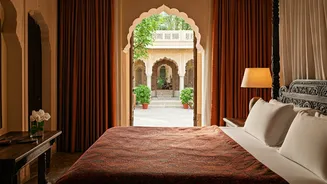
The idea of competing with a five-star resort would have seemed absurd just a few decades ago. The game changed when a handful of visionary families and entrepreneurs saw not decay, but potential. Instead of demolishing these structures to make way for new ones, they embarked on painstaking, multi-year restoration projects. This wasn't about gutting the buildings and installing generic hotel decor. The goal was to preserve the soul of the haveli. Artisans were brought in to meticulously repair frescoes, masons restored intricate stonework, and original layouts were adapted—not erased—to accommodate modern amenities like plumbing and electricity. Each room retained its unique character because it was, in fact, a unique, original room. This process transformed liabilities into assets, turning forgotten history into a tangible, marketable experience.
Selling an Experience, Not Just a Room
This is where the havelis found their competitive edge. A global resort chain competes on consistency and amenities. You know you’ll get a king-sized bed, a fitness center, and a reliable club sandwich from room service, whether you’re in Dubai or Denver. Havelis can’t—and don’t want to—compete on that field. Instead, they offer what the global chains inherently lack: a deep, unshakeable sense of place. Staying in a haveli means sleeping in a room that might have been a princess’s chamber. It means having breakfast in a courtyard where merchants once made deals. The service is often more personal, sometimes provided by descendants of the original family, who share stories of the building’s past. The 'amenities' are not a swimming pool (though many now have them) but the history, the art, and the feeling of being a guest in a living museum.
Authenticity as the Ultimate Luxury
The success of Jaipur's haveli hotels highlights a major shift in what affluent travelers value. For a growing segment of the market, true luxury isn't about gold taps and infinity pools. It’s about authenticity, connection, and unique stories. A stay at a global resort is comfortable; a stay at a restored haveli is memorable. It provides a narrative, a talking point, and a genuine cultural immersion that a standardized hotel simply cannot replicate. Travelers return home with stories about the family that runs the place or the secret garden they discovered, not just the thread count of the sheets. By leaning into their history and imperfections, Jaipur’s havelis didn't just survive the onslaught of global hotel brands; they created a parallel market where they are the undisputed kings.