


1. Define Zones, Not Just Rooms
In a studio or a one-bedroom, the biggest mistake is treating the entire area as a single, undefined blob. A 'smarter' layout starts with creating distinct functional zones. This doesn't require building walls. Use area rugs to visually anchor your living
room space and separate it from your dining nook. A strategically placed open-backed bookshelf can create a psychological barrier between your sleeping area and your workspace without blocking light. The goal is to give each activity—sleeping, working, relaxing, eating—its own dedicated territory. This simple act of organization tricks your brain into perceiving the space as larger and more functional than it actually is.
2. Prioritize Multi-Functional Pieces
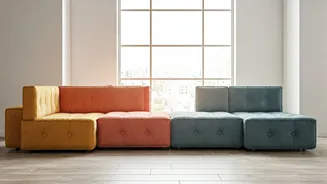
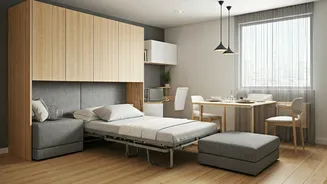
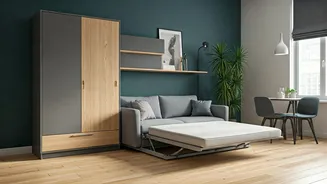
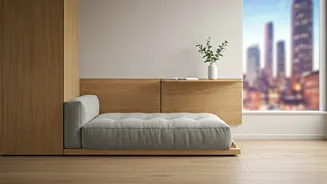
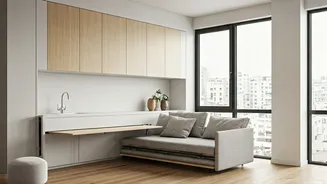
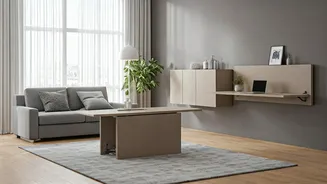
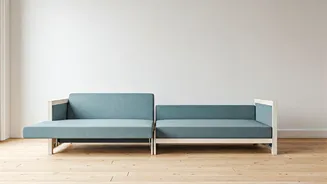
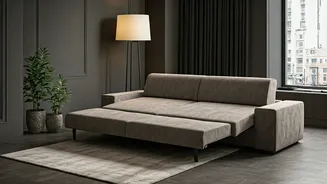
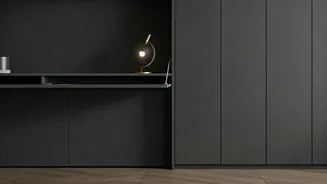
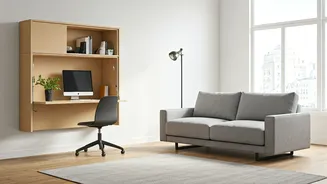
Every piece of furniture in a small apartment should be a workhorse. A beautiful couch is nice, but a beautiful couch that hides a guest bed or contains storage drawers is a genius move. Think beyond the classic Murphy bed. Look for coffee tables that lift and expand to become dining tables, or ottomans with hidden storage for blankets and clutter. A floating desk can double as a console table or vanity when not in use. Investing in a few high-quality, convertible pieces is more effective and less cluttered than buying many single-purpose items. This approach isn't about compromise; it's about maximizing utility in every square inch.
3. Go Vertical with Storage
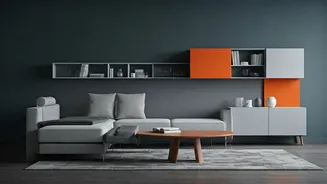
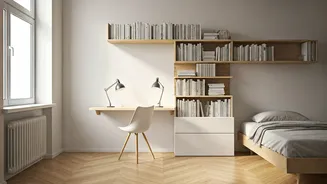
When you can't build out, you have to build up. Floor space is precious, so get your storage off of it. Floor-to-ceiling bookshelves or modular shelving units draw the eye upward, creating a sense of height and spaciousness while providing immense storage capacity. Use wall-mounted shelves for everything from books to kitchen supplies. In the bedroom, a headboard with built-in shelving can replace bulky nightstands. In the kitchen, magnetic knife strips and wall-mounted pot racks free up valuable counter and drawer space. By leveraging your vertical real estate, you reclaim the floor for living, not just for storing your stuff.
4. Master the Flow of Traffic
A poorly arranged apartment feels cramped because movement is awkward. You’re constantly squeezing past the corner of a sofa or sidestepping a coffee table. A smart layout creates clear, unimpeded pathways through the space. Before you place furniture, consider your daily routes: from the door to the kitchen, from the bedroom to the bathroom, from the couch to the desk. Keep these 'highways' clear. Opt for round tables, which are easier to navigate around than square ones. Ensure you can open every door—closets, cabinets, the front door—completely without hitting a piece of furniture. A space that’s easy to move through inherently feels more open and serene.
5. Use Light and Reflection Strategically
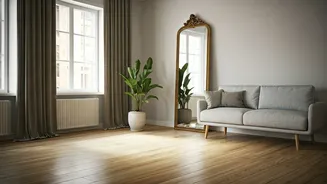
No amount of clever furniture placement can save a dark, gloomy apartment. Light is your best friend in a small space. Keep window treatments minimal—sheer curtains or blinds that can be fully opened will maximize natural light. Then, amplify it. A large mirror placed opposite a window can almost double the amount of light in a room and create a powerful illusion of depth. Don't stop at one; use smaller mirrors in narrow hallways or dark corners. When it comes to paint, light, neutral colors like white, soft gray, and pale beige are classics for a reason: they reflect light and make walls recede. This combination of natural light, reflective surfaces, and bright walls is the fastest way to make any small room feel bigger.