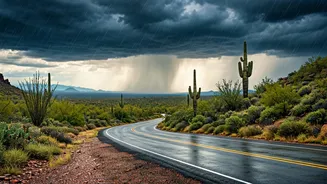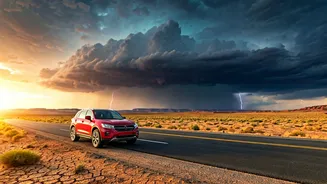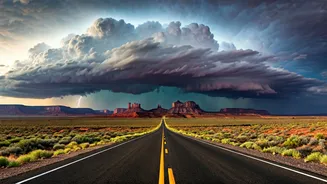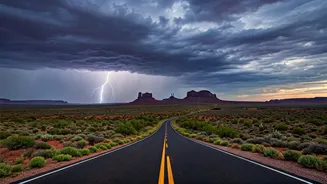











The Southwest’s Summer Lifeline
The North American Monsoon isn't just a stretch of rainy days. It’s a vital, transformative season for states like Arizona, New Mexico, and parts of Utah, Colorado, and Texas. Typically arriving in late June or early July, this weather pattern pulls moisture
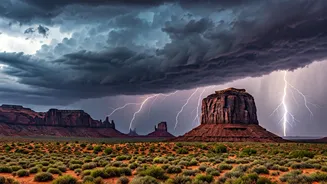
from the Pacific Ocean and Gulf of Mexico, triggering dramatic afternoon thunderstorms. These storms are the region's lifeblood. They break the oppressive, dry summer heat, dropping temperatures by 20 degrees or more in a matter of minutes. More importantly, they deliver a significant portion of the year’s total rainfall, replenishing reservoirs, nourishing the desert ecosystem, and providing a crucial buffer against wildfires. For residents, the monsoon is a welcome relief—a dramatic, beautiful, and essential part of the year.
What Does a 'Weak' Monsoon Mean?
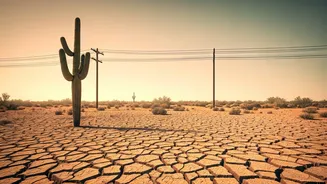
A “weak” monsoon doesn’t mean no rain at all. Instead, it refers to a season that is delayed, less potent, or geographically patchy. According to long-range forecasts from agencies like the National Oceanic and Atmospheric Administration (NOAA), conditions may be aligning for a less-than-average season. This could manifest in several ways: the seasonal shift in wind patterns that kicks off the monsoon might arrive later in the summer; the storms that do form might be less frequent; or the rainfall they produce could be lighter and less widespread. When the monsoon underperforms, the cooling, cloud-generating, and rain-dumping benefits that the Southwest relies on simply don't fully materialize. The result is a summer that feels longer, hotter, and critically, drier than usual.
The Real Cost: Your Energy Bill
The most immediate and noticeable financial impact of a weak monsoon will show up on your electricity bill. The afternoon thunderstorms are nature’s air conditioning. Clouds block the sun and rain cools the ground, providing a natural respite that allows home AC units to cycle off. Without these daily cooldowns, temperatures stay higher for longer. Your air conditioner, already the biggest energy consumer in most households, is forced to run continuously through the afternoon and well into the evening to maintain a comfortable indoor temperature. This extended, high-intensity workload drives up kilowatt-hour usage dramatically. A summer without the monsoon’s relief can easily add a significant percentage to your monthly cooling costs, turning a predictable expense into a budget-breaking one.
Water Worries and Outdoor Costs
Beyond the thermostat, a dry monsoon strains water resources. Less rainfall means less water flowing into the reservoirs that supply cities and towns. This can prompt municipalities, already contending with long-term drought, to implement stricter water conservation measures. For homeowners, this could mean more stringent restrictions on outdoor watering for lawns and gardens. Plants that typically thrive with the extra monsoon moisture will need more supplemental water from your hose, increasing your water bill at a time when you may be asked to use less. For those planning summer landscaping projects, a weak monsoon might be a signal to invest in drought-tolerant, native plants (xeriscaping) that are better adapted to handle dry conditions, saving both water and money in the long run.
The Hidden Danger of a Dry Summer
A less obvious but critical consequence of a weak monsoon is elevated wildfire risk. The moisture from monsoon storms is essential for tamping down fire danger in forests and grasslands that have been baking for months. When the rains fail to arrive, vegetation remains critically dry and flammable. This extends the peak fire season and increases the likelihood of large, fast-moving wildfires. While not a direct household bill, the financial implications are real. They include potential increases in homeowner's insurance premiums in at-risk areas, the costs of creating defensible space around your property, and the potential for evacuation expenses. Being aware of the heightened risk and having a family emergency plan is a crucial, non-negotiable part of preparing for a drier-than-average summer.