





The Global Menu Myth
Imagine walking into a McDonald’s and not finding a Big Mac. Or a Burger King without a Whopper made of beef. In India, this isn’t a hypothetical; it's business as usual. For decades, the playbook for global expansion was simple: replicate a successful
American model abroad with minor tweaks. This strategy crashed hard against the reality of the Indian market. A large portion of the population is vegetarian, and the Hindu faith holds the cow as sacred, making beef a non-starter for a huge consumer base. Brands that tried to lead with their flagship American products quickly discovered they were selling something the market didn't want or couldn't eat. The initial failure to grasp these fundamental cultural and dietary realities led to years of struggle and financial losses for many international players.
The Art of Hyper-Localization
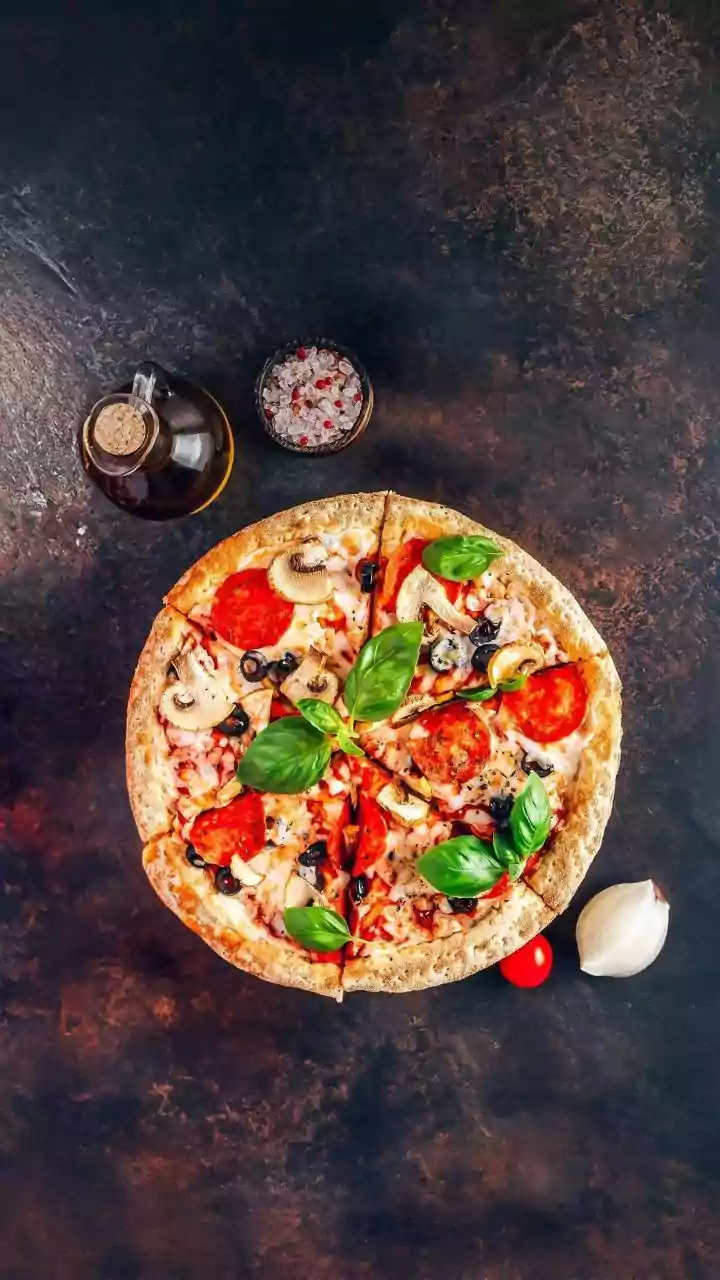
The brands that survived and eventually thrived were the ones that learned to adapt—radically. This process, known as hyper-localization, goes far beyond simply removing beef from the menu. McDonald's in India became a masterclass in this strategy. It developed the McAloo Tikki burger, a patty made of spiced potatoes and peas, which has since become its best-selling product in the country. It’s a flavor profile instantly recognizable and beloved by Indians. Similarly, Domino's Pizza, one of the most successful foreign food brands in India, loaded its menu with options like the Paneer Makhani pizza and a 'Taco Mexicana' pizza featuring local spices. They understood they weren't just selling pizza; they were selling a familiar set of flavors on a new platform. This wasn't just about substitution; it was about invention and integration, creating products that felt both new and native.
More Than Just Spice
Successfully localizing isn't just about tweaking ingredients. It’s also about understanding the economic and social context. Price sensitivity is enormous in India. A meal that feels affordable to a middle-class American can be a significant expense for an Indian family. This has led to an emphasis on value, smaller portion sizes, and entry-level price points designed to draw in curious first-time customers. McDonald’s, for instance, has heavily marketed items at rock-bottom prices to compete with street food vendors. Furthermore, the very concept of a restaurant is different. In the U.S., fast food is about speed and convenience. In India, eating out is often a family event, a special occasion. This means restaurants need to offer a more comfortable, sit-down-friendly atmosphere, not just a quick counter service.
The Homegrown Advantage
Perhaps the biggest challenge for global brands today is not from each other, but from a new wave of confident, well-funded Indian quick-service restaurant (QSR) chains. Companies like Wow! Momo, which specializes in a type of dumpling popular in India, or Chaayos, a tea cafe chain, have scaled rapidly. They have a natural advantage: they don't need to 'learn' the Indian palate; they are born from it. They inherently understand the nuances of regional tastes, the importance of festivals, and the appeal of traditional flavors presented in a modern, hygienic format. These local champions are now beating the global giants at their own game, offering food that is not just localized, but authentically local.