
Beyond the Western Wellness Playbook
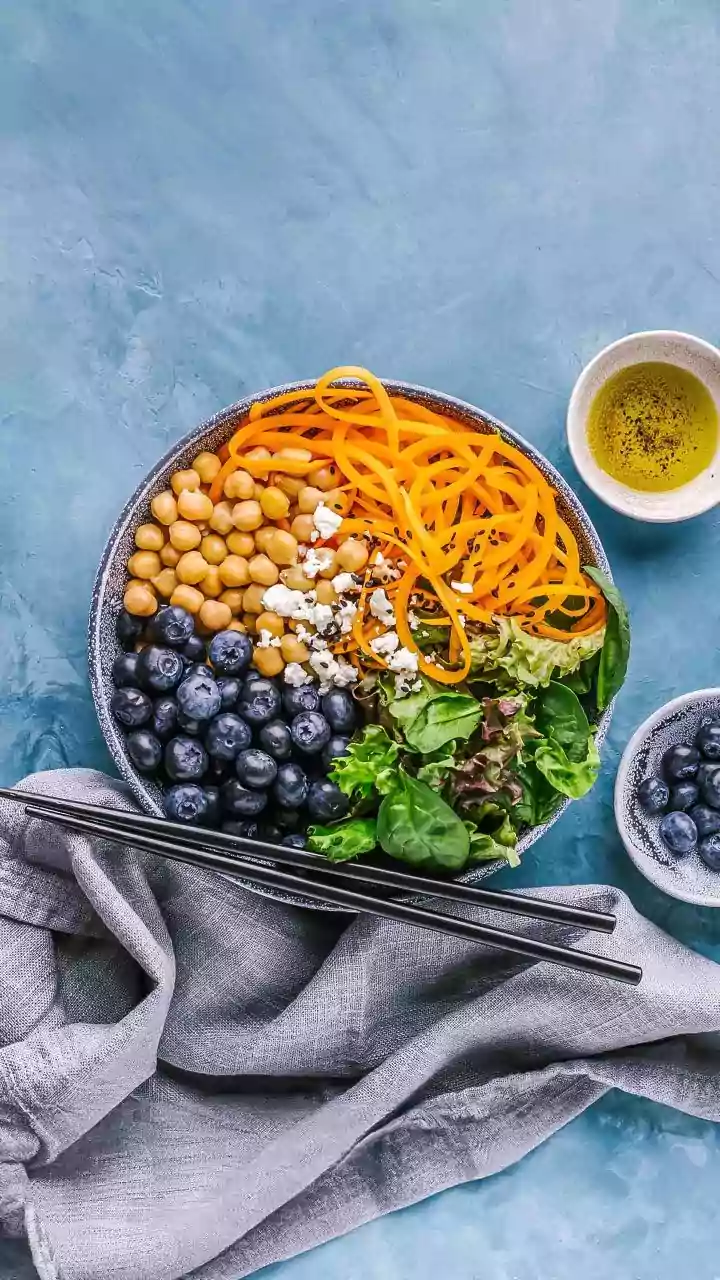
In the United States, “eating healthy” often conjures images of kale smoothies, quinoa bowls, and a strict avoidance of carbs and fats. For years, this Western-centric wellness model was seen as the global gold standard. But in India, a different, more
culturally resonant movement is gaining momentum. Instead of replacing familiar foods with foreign “superfoods,” Indians are rediscovering and reinterpreting their own culinary heritage. This isn't about abandoning flavor or tradition. It's about adaptation. Driven by rising rates of lifestyle diseases like diabetes and heart disease, a growing urban middle class is becoming more health-conscious. Yet, they are wisely skeptical of abandoning a diet perfected over millennia. The solution isn’t to eat salad for dinner; it's to figure out how to make classic dishes like biryani, dosas, and curries smarter, lighter, and more nutritious while ensuring they still taste like home.
The Great Millet Revival
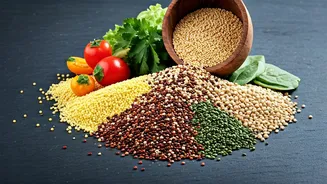
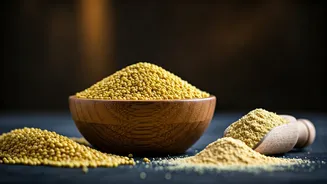
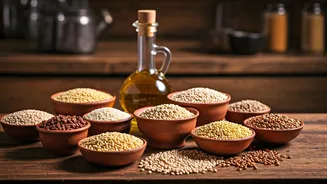
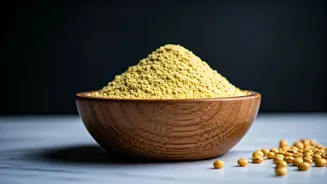
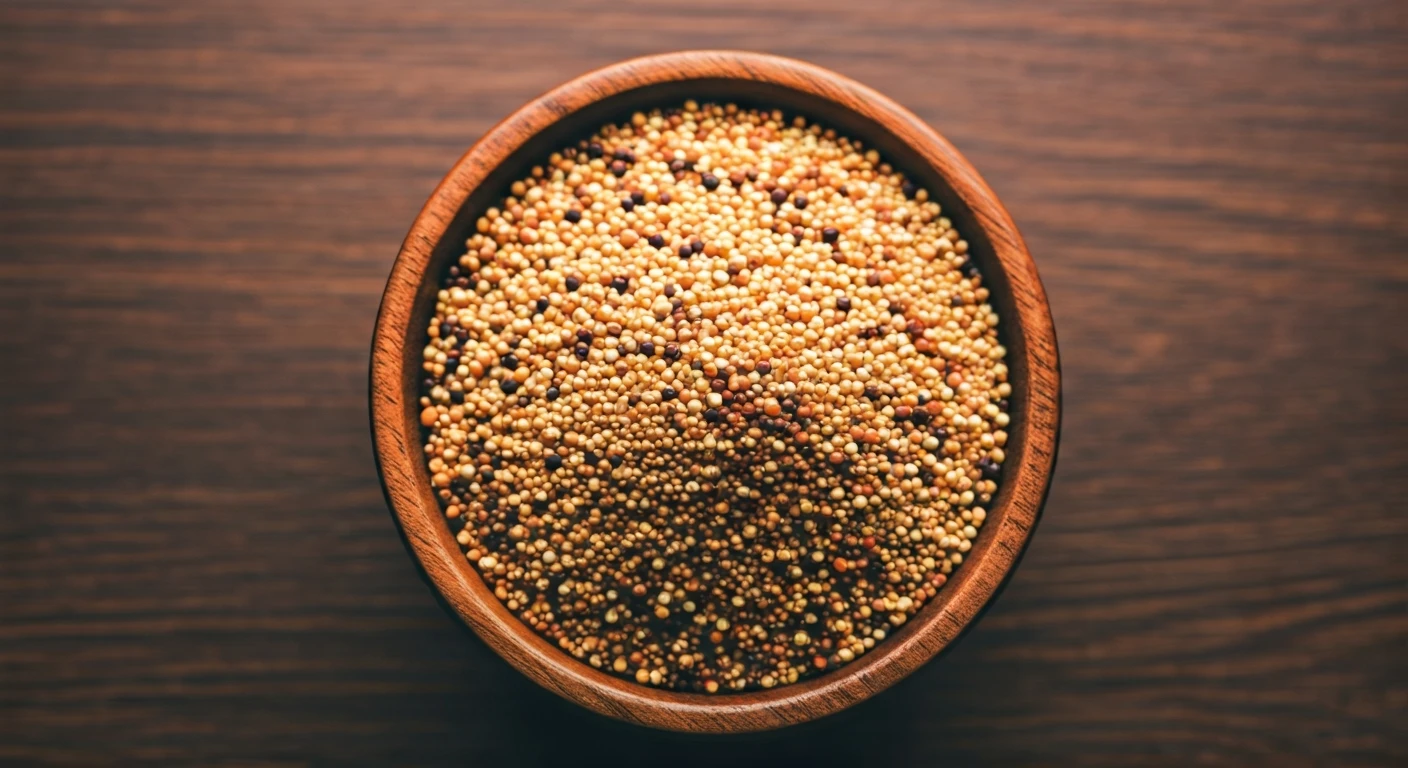
Perhaps the most powerful symbol of this trend is the resurgence of millets. For decades, government policies and agricultural practices favored wheat and rice, pushing ancient grains like sorghum (jowar), pearl millet (bajra), and finger millet (ragi) to the sidelines, where they were often dismissed as “poor people’s food.” Today, they are making a triumphant comeback. Celebrated for being gluten-free, high in fiber, and having a lower glycemic index than refined grains, millets are being hailed as a homegrown superfood. The Indian government has even championed their revival, with 2023 being declared the “International Year of Millets” at its request. In modern Indian kitchens, this translates to ragi-based pancakes, jowar-flour flatbreads (rotis) that replace their wheat counterparts, and even millet-based versions of pizza crusts and pasta. It’s a perfect example of “keeping it desi”: using a traditional, climate-resilient local grain to meet modern health goals.
Good Fats and Grandmother’s Wisdom
For years, fats were public enemy number one in the diet world. Traditional Indian cooking fats like ghee (clarified butter) and cold-pressed mustard oil were shunned in favor of industrially processed vegetable and seed oils. Now, the pendulum is swinging back. Armed with a modern understanding of the difference between healthy and unhealthy fats, many are returning to the wisdom of their grandmothers. Ghee, once villainized, is now being celebrated for its high smoke point and purported health benefits, re-emerging as a premium cooking medium. Similarly, the sharp, pungent flavor of mustard oil, a staple in North and East Indian cooking, is being appreciated again for its nutritional profile. This shift represents a powerful reclaiming of culinary identity. It’s an acknowledgment that traditional practices were often rooted in a deep, intuitive understanding of nutrition that science is only now beginning to fully appreciate.
The Modern 'Desi' Plate
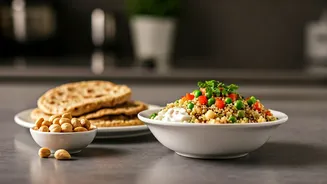
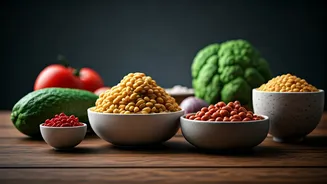
So what does a “smart desi” meal look like in practice? It’s about clever swaps and technique adjustments, not deprivation. It might be a plate of chicken biryani where finely grated cauliflower stands in for half the white rice, cutting carbs without sacrificing texture. It could be baked, air-fried, or pan-seared versions of traditionally deep-fried snacks like samosas and pakoras, offering the same satisfying crunch with a fraction of the oil. It’s a dosa made from a batter of lentils and oats instead of just rice. This culinary innovation is being fueled by a vibrant ecosystem of nutritionists, chefs, and social media food bloggers who are translating nutritional science into delicious, accessible recipes. They are showing millions that it’s possible to manage blood sugar, lose weight, and feel more energetic while still enjoying the robust flavors of dal makhani or pani puri. It’s a message that resonates deeply: you don't have to choose between your health and your culture.