
The Original Mouth Freshener
First, let's clarify what traditional paan actually is. For centuries, it has been a post-meal digestif and mouth freshener across South and Southeast Asia. At its core is a triangular-folded betel leaf, a mild stimulant on its own. Inside, a complex
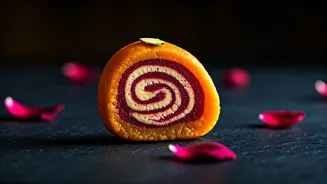
assortment of ingredients is packed: slaked lime paste (chuna), candied fennel seeds (mukhwas), shredded coconut, and most importantly, gulkand—a sweet, sticky jam made from rose petals. The most traditional, and controversial, ingredient is the areca nut, a known carcinogen and potent stimulant that gives a mild buzz. This is the version often chewed for its stimulating effects, staining teeth and sidewalks red. It’s crucial to understand that when we talk about 'paan flavor' in modern desserts, we are talking about everything *but* the areca nut and tobacco. Chefs have masterfully isolated the delightful sensory components—the floral, the herbal, the sweet—to create something new.
Decoding the Flavor Profile
So, what does paan taste like when stripped of its more intense elements and reimagined for the dessert plate? It’s a symphonic burst of flavor that’s hard to pin down but impossible to forget. The primary note comes from gulkand, lending a deep, floral sweetness that’s more complex than simple sugar. The betel leaf itself imparts a unique, slightly peppery and herbal quality. Then comes the cooling sensation, often amplified by mint or menthol crystals in the mix, which provides a refreshing finish that cleanses the palate. Finally, you get the textural and aromatic crunch from fennel seeds, cardamom, and sometimes candied fruit. Imagine a flavor that is simultaneously sweet, floral, herbal, minty, and aromatic. It’s a journey in a single bite, which is precisely why it’s such a compelling base for culinary innovation.
From Leaf to Lava Cake
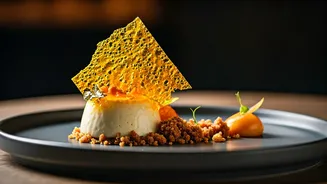
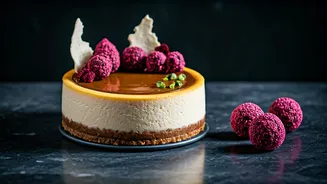
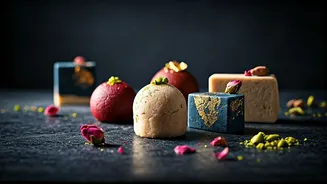
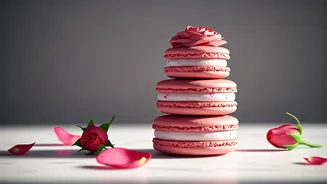
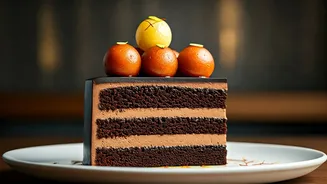
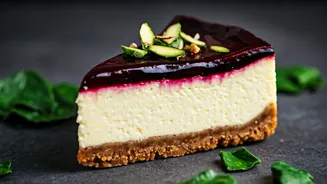
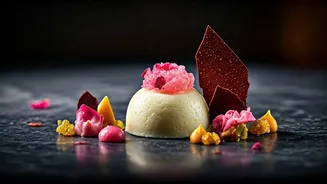
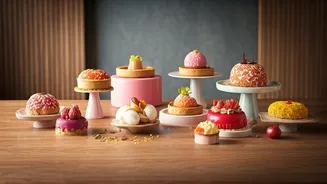
The creative explosion of paan-flavored desserts is where the story gets exciting. Diaspora chefs and inventive home bakers across the U.S. are deconstructing this traditional palate cleanser and weaving its essence into familiar forms. You’ll now find paan ice cream, where the cooling, minty-rose flavor is a perfect match for a creamy base. Bakeries are offering delicate paan macarons, the herbal notes of the betel leaf infusion cutting through the sweetness of the meringue shells. There are paan truffles, with a rich chocolate ganache hiding a burst of gulkand and fennel. Ambitious pastry chefs are creating multi-layered paan cheesecakes, paan panna cotta, and even paan-flavored tres leches cake. Each creation respects the flavor’s origin while confidently placing it in a new, global context. It proves that paan is not a monolithic taste but a versatile profile ready for its close-up.
A New Generation of Flavor
Why is this happening now? This trend is about more than just a novel flavor. It’s driven by a generation of South Asian American chefs and foodies who are exploring their cultural heritage with confidence and creativity. They are moving beyond the pressure to present only the most 'authentic' versions of their cuisine. Instead, they are asking, “What if?” What if the flavors of my childhood could be presented in a form that anyone, regardless of their background, could instantly appreciate and enjoy? This culinary movement reframes paan not as an intimidating, acquired taste but as an exciting, sophisticated ingredient. It’s a delicious act of cultural translation, inviting everyone to the table and proving that tradition is not a static museum piece but a living, evolving source of inspiration.