






What Is Heat Fatigue, Anyway?
Heat fatigue, more formally known as heat exhaustion, is your body's distress signal that it's overheating. When you're exposed to high temperatures for a prolonged period, your body's primary way of cooling down is by sweating. But this process costs
a lot of water and salt. If you don't replenish those fluids, your internal cooling system starts to falter. The result is a collection of symptoms that can range from annoying to dangerous: heavy sweating, clammy skin, a fast but weak pulse, nausea, muscle cramps, dizziness, and headache. It’s essentially the stage before the real emergency—heatstroke—and it’s a critical warning to cool down and rehydrate immediately.
Your First Line of Defense: Proactive Hydration
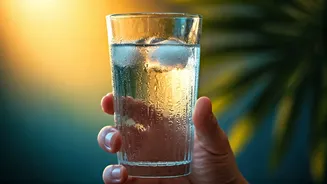
The most effective way to fight heat exhaustion is to prevent it from ever starting. That means drinking fluids before you feel thirsty. Thirst is actually a lagging indicator; by the time your brain signals that you're thirsty, you're already on your way to being dehydrated. On hot and humid days, especially if you're active outdoors, don't wait for that signal. Make it a habit to sip water consistently throughout the day. A good rule of thumb for adults is to aim for eight 8-ounce glasses of water, but your needs increase dramatically with heat and activity. If you're working or exercising in the sun, you may need to drink 16 to 32 ounces of fluid per hour just to keep up with what your body is losing through sweat.
Not All Drinks Are Created Equal
While water is the undisputed champion of hydration, some drinks can work against you. Sugary sodas, caffeinated beverages like coffee and certain teas, and alcohol are all diuretics, meaning they cause your body to lose more fluid. While a morning coffee isn't a disaster, relying on these for hydration on a hot day is a losing strategy. Stick with plain water as your primary source. If you find water boring, try infusing it with natural flavors like cucumber, lemon, or mint. Unsweetened herbal iced tea is also a good option.
The Role of Electrolytes
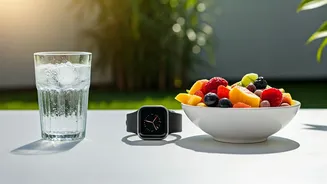
When you sweat, you don't just lose water; you also lose essential minerals called electrolytes, like sodium, potassium, and magnesium. These are vital for nerve function, muscle contractions, and maintaining your body's fluid balance. For most daily activities, water is sufficient. But if you're sweating profusely for more than an hour—think intense yard work, a long run, or working a physical job outdoors—you need to replace those electrolytes. This is where sports drinks can be beneficial. Look for lower-sugar options. Alternatively, you can replenish electrolytes with snacks like a banana (for potassium), a handful of salted pretzels (for sodium), or by adding an electrolyte powder to your water.
Recognizing the Red Flags
It's crucial to know the difference between heat exhaustion and its life-threatening progression, heatstroke. If you or someone else shows signs of heat exhaustion (dizziness, heavy sweating, nausea, pale skin), the immediate goal is to cool down. Move to a shady or air-conditioned area, loosen clothing, sip cool water, and apply cool, wet cloths to the skin. However, if symptoms worsen or if a person exhibits signs of heatstroke—a high body temperature (103°F or higher), hot and red skin (which may be dry or moist), a rapid and strong pulse, confusion, or loss of consciousness—it is a medical emergency. This requires immediate 911 assistance, as it can cause permanent damage to the brain and other vital organs.