




Rajasthan's Only Hill Station
Welcome to Mount Abu, a surprising anomaly nestled in the Aravalli Range. As the only hill station in Rajasthan, it stands as a lush, elevated plateau, a world away from the desert landscapes that define the region. For centuries, this spot has served
as a summer retreat for royals and locals seeking refuge from the blistering heat of the plains. For American travelers accustomed to hearing only about Jaipur or Jodhpur, Mount Abu offers a completely different texture of Indian life. It’s a place where the air is crisp, the forests are dense, and the pace is decidedly slower. The town itself is a quaint mix of holiday homes, bustling bazaars, and serene spiritual sites, all centered around a picturesque lake.
The Magic of the Monsoon
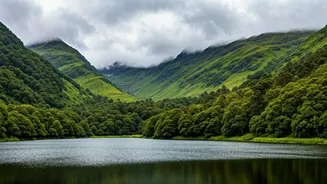
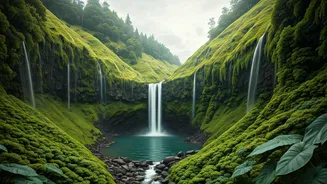
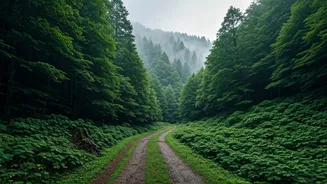
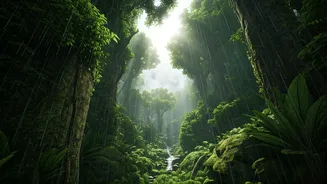
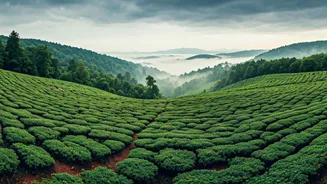
While most tourist destinations in India wind down during the monsoon (June to September), Mount Abu comes vibrantly alive. This is the “rainy secret” that makes it so special. The first showers wash away the dust of the dry season, revealing a landscape of impossible green. Fog rolls through the valleys, wrapping the town in a mystical embrace and turning an ordinary walk into a moody, atmospheric adventure. The sound of rain is a constant, soothing soundtrack, punctuated by the appearance of temporary waterfalls cascading down the rocky hillsides. Instead of a travel deterrent, the rain here is the main event. It transforms the scenery, lowers the temperature, and creates a romantic, almost ethereal ambiance that you won't find anywhere else in Rajasthan.
Life Around Nakki Lake
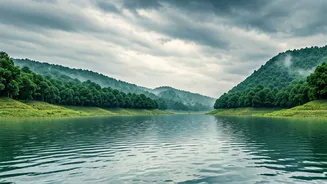
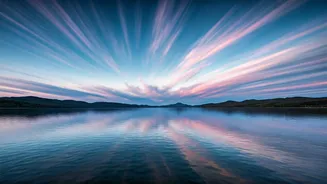
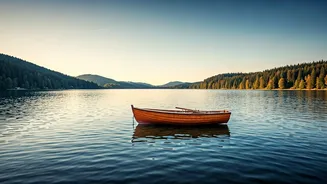
At the heart of Mount Abu lies Nakki Lake, a man-made body of water steeped in mythology. Legend has it that the lake was dug by the gods using their fingernails (or “nakh”). Today, it’s the town's social and recreational hub. A paved promenade encircles the water, perfect for leisurely strolls even under a light drizzle. You can rent a swan-shaped paddleboat and glide across the misty water, passing by the iconic Toad Rock, a massive stone formation that looks uncannily like a toad about to leap into the lake. Cafes and food stalls line the shore, offering hot sweet corn and steaming cups of chai—the perfect antidotes to a cool, rainy afternoon. The lake acts as a mirror, reflecting the gray skies and green hills, making it one of the most photogenic spots in town.
The Marble Marvels of Dilwara
Just a short drive from the main town, hidden within a grove of mango trees, are the Dilwara Temples. This complex of five Jain temples is an absolute masterpiece of marble craftsmanship, easily rivaling the Taj Mahal in its intricate detail. Built between the 11th and 13th centuries, the temples are a study in devotion and artistry. From the outside, they appear deceptively simple, but step inside and you’ll find yourself in a world of breathtakingly ornate carvings. Every inch of the ceilings, pillars, and doorways is covered in elaborate patterns of lotus buds, deities, and celestial beings, all carved from white marble with a softness that makes it look like lace. The level of detail is so fine that it’s hard to believe it was chiseled from stone. It’s a peaceful, awe-inspiring experience that provides a profound cultural counterpoint to the area's natural beauty.
Views from the Highest Peak
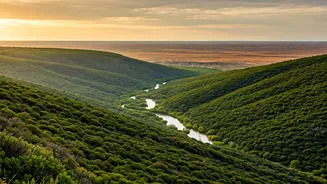
For those seeking panoramic views and a bit of light adventure, a trip to Guru Shikhar is a must. At 5,650 feet, it’s the highest point in the Aravalli Range and offers sweeping vistas of the entire region. The drive up is scenic, and from the peak, you can look out over the rolling green hills and valleys. The summit is home to a temple dedicated to Guru Dattatreya, an incarnation of the Hindu deities Brahma, Vishnu, and Shiva. Ringing the temple bell at the top is a ritual for visitors. While the monsoon clouds can sometimes obscure the view, the experience of being up in the clouds, surrounded by mist and cool breezes, is a reward in itself.