



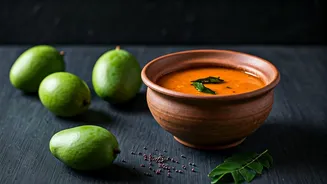
First, Meet Classic Rasam
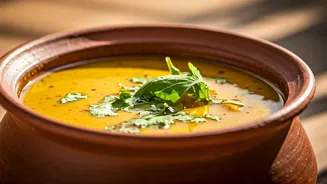
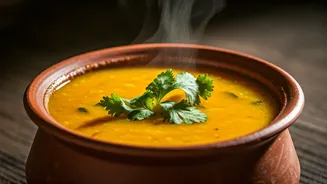
To understand the genius of mango rasam, you first have to appreciate rasam itself. A staple of South Indian cuisine, rasam is a thin, soupy broth that packs an incredible punch. Think of it as a distant, more exciting cousin to a clear soup or consommé.
The classic version is typically built on a base of tamarind juice, giving it a signature sourness, and is heavily spiced with black pepper, cumin, and chiles. It’s often enriched with cooked lentils and tomatoes, then finished with a fragrant tempering of spices like mustard seeds, curry leaves, and asafoetida bloomed in hot ghee or oil. It’s a dish that’s simultaneously comforting and invigorating, known for its digestive properties and its ability to blast through a stuffy head cold. In South Indian households, it’s the ultimate comfort food, often mixed with plain rice for a simple, soul-satisfying meal.
The Genius of the Green Mango
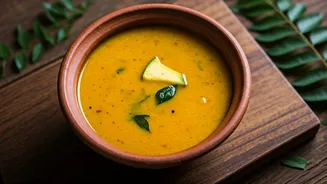
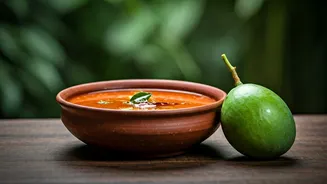
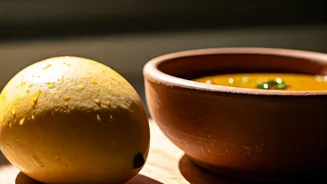
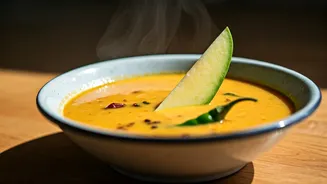
Mango rasam, or “Mamidikaya Rasam” as it’s known in the Telugu-speaking regions of India, takes this beloved formula and gives it a brilliant seasonal makeover. Instead of relying on tamarind for its tang, it harnesses the sharp, bright sourness of unripe green mangoes. This is the key that unlocks its summer magic. While ripe mangoes are all about lush sweetness, green mangoes are firm, tart, and bursting with a clean, acidic flavor that is utterly refreshing. By boiling chunks of green mango until they are soft and then mashing them into the broth, cooks create a base that is distinctly fruity yet unapologetically tangy. This simple substitution transforms the dish from a year-round staple into a celebration of spring and early summer, when green mangoes are at their peak.
A Symphony of Flavor
So, what does it actually taste like? Imagine a wave of bright, citrusy tartness hitting your palate first, courtesy of the mango. This is immediately followed by a wave of gentle, warming heat from black pepper and a hint of fire from green or red chiles. Then come the aromatics: the earthy depth of cumin, the floral notes of fresh curry leaves, and the pungent, savory hint of asafoetida. It’s a complex, layered experience that engages every part of your tongue. Unlike thick, creamy soups that can feel heavy in the heat, mango rasam is light, brothy, and hydrating. It’s the kind of dish that makes you sit up a little straighter, clears your sinuses, and leaves you feeling revitalized, not weighed down. It’s a flavor profile that feels both ancient and thrillingly new.
How to Make It Part of Your Summer
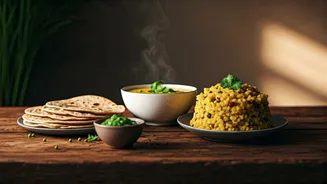
The “wildly fun” part of mango rasam is its incredible versatility. It refuses to be put in a single culinary box. You can sip it from a small cup as a light appetizer or a palate-cleanser between courses, much like a shot of gazpacho. Its most traditional application is to be ladled generously over a mound of hot steamed rice, where the grains soak up the flavorful broth for a simple, nourishing main course. Some people even drink it as a warm, savory beverage at the end of a meal to aid digestion. This flexibility makes it a perfect dish for casual summer entertaining. You can serve it in shot glasses at a party, as a light first course before a barbecue, or as the star of a simple rice bowl dinner. There are no strict rules, only the invitation to enjoy its vibrant, tangy goodness in whatever way brings you the most joy.