


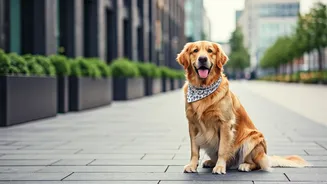
More Than a Routine Chore
For millions of American pet owners, the daily walk is a necessity—a biological imperative bookended by pleas to “go potty.” It’s often a task to be completed, another item checked off a sprawling to-do list. But bubbling up in cities across the country
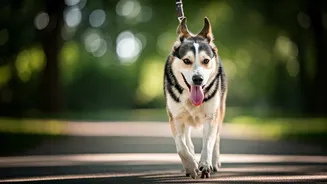
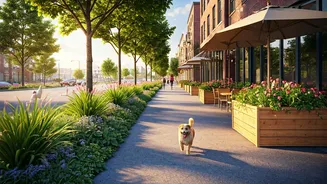
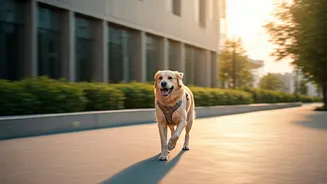
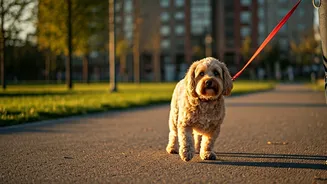
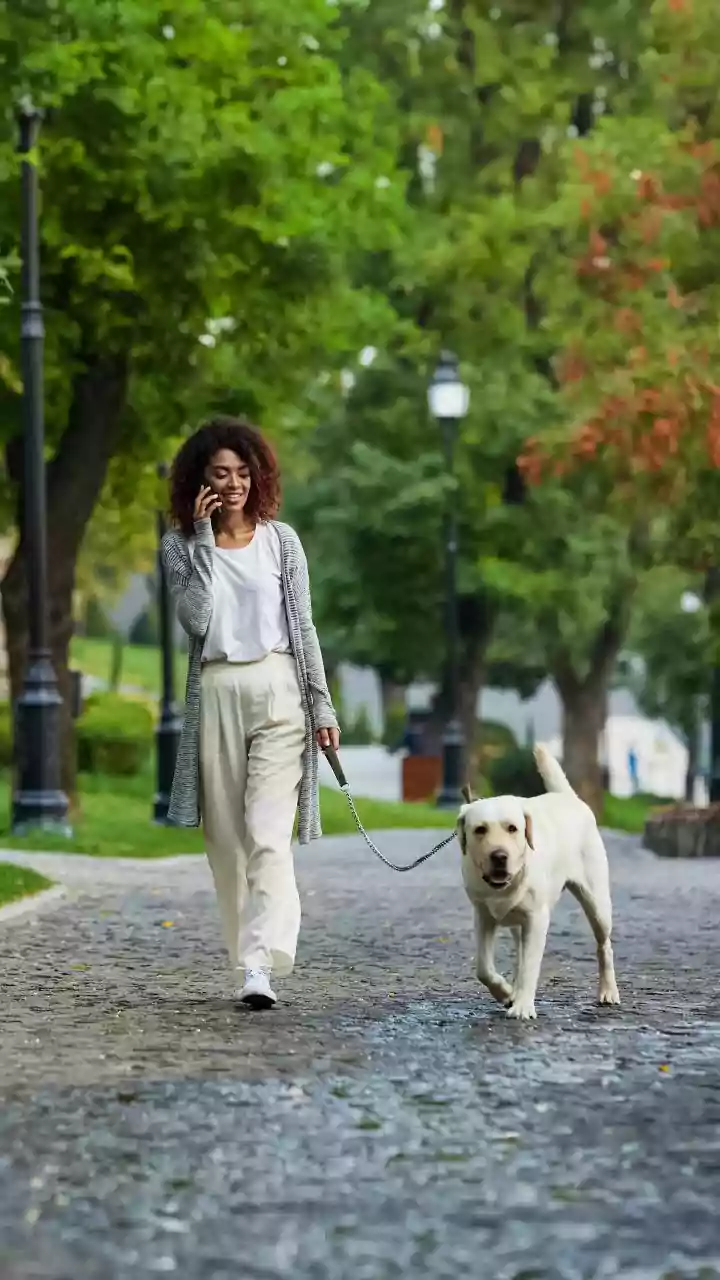
is a gentler, more intentional approach. The “pet walk” as a trend isn’t about distance or speed; it’s about a mental shift. It’s the conscious decision to treat the familiar walk as an act of exploration, a small-scale journey with your animal as the guide. Instead of dragging your dog away from a particularly interesting patch of grass, you wait. Instead of mapping a route for efficiency, you let your pet’s curiosity dictate the path. This isn’t just walking the dog. This is urban travel, scaled down to the block you live on. It’s about rediscovering your own neighborhood through a completely different set of senses, trading human purpose for animal instinct.
The Rise of the ‘Sniffari’
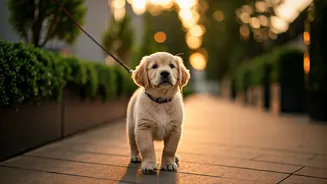
At the heart of this trend is a concept dog behaviorists have long championed: the “sniffari.” It’s a portmanteau of “sniff” and “safari,” and the idea is simple yet revolutionary for many owners. A dog’s primary sense is smell, and allowing them to follow their nose is profoundly enriching. A single lamppost can be, for a dog, the equivalent of a city’s central newsstand, covered in messages from friends, rivals, and strangers. A true sniffari means letting go of the leash-yanking and “come on!” commands. You are no longer the tour guide; you are the patient observer. This decompressed, ambling walk provides immense mental stimulation for the dog, reducing anxiety and problem behaviors. For the human, it’s a forced lesson in mindfulness. You can’t scroll through your phone when you’re navigating a labyrinth of scents around a fire hydrant. You’re present, you’re grounded, and you’re sharing a moment of pure, unadulterated discovery with your pet.
It’s Not Just for Dogs
While dogs are the primary pioneers of this movement, the trend is broader than a simple walk on a leash. Stroll through a park in Brooklyn, Austin, or Portland, and you’re increasingly likely to see the other star of this show: the adventure cat. Tucked into breathable backpacks with bubble windows or lounging in specialized strollers, urban cats are now part of the public landscape. For indoor cats, these curated outings offer safe sensory enrichment, a chance to feel the breeze and watch the birds without the dangers of traffic or predators. For their owners, it’s a way to share more of their life with their feline companions. This expansion beyond the canine world underscores the core principle of the trend: it’s about a desire to deepen the human-animal bond by sharing experiences, even mundane ones, and making them special.
An Antidote to Urban Burnout
So why is this happening now? The ‘soft’ pet walk is a quiet but firm rejection of the productivity-obsessed hustle culture that dominates modern life. It’s a micro-dose of slow living. In a world of efficiency hacks, route optimization, and fitness tracking, choosing to have a “pointless” 45-minute wander around a single city block is a radical act. It reclaims time for connection over achievement. Following the whims of an animal is the ultimate surrender of control. You can’t optimize a cat’s desire to watch a leaf skitter across the pavement. You can’t rush a dog’s deep analysis of a particular bush. This trend offers a low-stakes, accessible way to practice letting go, to find novelty in the mundane, and to connect with something real and alive in a world that often feels overwhelmingly digital and demanding.