







The Gamification of a Daily Stroll
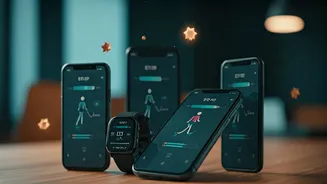
It starts innocently enough. Your HR department announces a new wellness initiative, or a friend adds you to a group challenge on their fitness app. The goal is simple: walk more than everyone else. Fueled by wearable tech like Apple Watches and Fitbits
that seamlessly track our every move, these competitions have become a modern-day social phenomenon. They tap into a powerful psychological cocktail. There’s the competitive drive to win, the social accountability of a shared goal, and the satisfying dopamine hit of seeing your numbers climb. By turning a mundane activity into a game—complete with leaderboards, badges, and daily progress reports—these challenges provide the external motivation that many of us need to get off the couch. It’s no longer just about being healthy; it’s about winning, and that’s a language our brains understand loud and clear.
The Upside: Community and Momentum
When they work, step competitions are brilliant. For many people, they are the first step (pun intended) toward a more active lifestyle. The barrier to entry is low—almost everyone walks—and the group dynamic can be incredibly encouraging. Suddenly, you’re swapping tips with colleagues about the best walking routes or sharing screenshots of your progress in a family group chat. This sense of shared purpose can build camaraderie and transform a solitary goal into a team sport. It pushes people to find creative ways to be more active, like taking the stairs, pacing during phone calls, or opting for a “walking meeting.” The public nature of the leaderboard creates accountability that’s hard to replicate on your own, providing the nudge needed to choose a walk over another episode of a streaming series.
The Downside: When Healthy Gets Obsessive
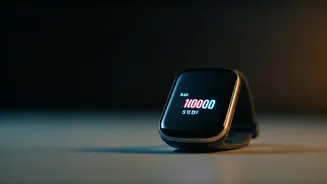
But there’s a darker side to the leaderboard. For some, the fun competition can curdle into a stressful obsession. The pressure to win can lead people to ignore their body’s signals, pushing through pain or exhaustion to log more steps and risking injury. What starts as a healthy habit becomes another source of anxiety, with participants frantically pacing their living rooms late at night just to catch up. The focus can shift from holistic well-being to a single, narrow metric. A 20,000-step day might feel like a victory, but if it comes at the expense of sleep, proper nutrition, or other forms of exercise like strength training, is it really healthy? Furthermore, these challenges can foster feelings of shame or inadequacy for those who can’t keep up due to their job, health limitations, or family responsibilities. There have even been reports of “step cheating”—strapping a Fitbit to a pet or a paint shaker to artificially inflate counts.
Making the Challenge Work For You
So, should you swear off step challenges forever? Not necessarily. The key is to participate with the right mindset. Instead of fixating on beating everyone else, focus on beating your own previous records. Use the competition as a tool for personal motivation, not external validation. The real goal isn't to be at the top of the leaderboard; it's to build a sustainable habit. Pay attention to your body. If you’re feeling sore or tired, take a rest day. A single day of low steps won’t ruin your health, but ignoring your body’s needs might. Remember that steps are just one part of the wellness puzzle. A truly healthy lifestyle includes good sleep, a balanced diet, and mental rest. If the challenge starts causing you more stress than satisfaction, it’s okay to step back, mute the notifications, and just go for a walk because it feels good.