






It's More Than Just Burgers
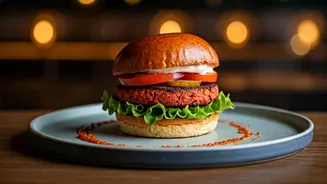
When you hear “plant protein,” your mind probably jumps to the Impossible Whopper or a Beyond Meat patty sizzling on the grill. While those trailblazing products put the category on the map, they represent just the first wave of a much larger tsunami
of innovation. The real story of the boom is in its expanding diversity. Companies are now using advanced technology to mimic not just ground beef, but whole-cut steaks, chicken breasts, crispy bacon, and delicate fish fillets. The new frontier includes plant-based eggs that scramble, cheese that melts and stretches, and yogurt that’s indistinguishable from its dairy-based counterpart. This expansion is powered by a new generation of ingredients and processes. Instead of just soy and wheat, formulators are using everything from pea and fava bean protein to mycelium (the root structure of mushrooms) and precision fermentation, a technique that uses microorganisms to produce specific proteins like casein and whey without any cows involved.
Why Now? The Perfect Storm of Demand
This isn't an overnight phenomenon; it's the result of several powerful trends converging at once. First, there are the health-conscious consumers, particularly Millennials and Gen Z, who are actively looking to reduce their red meat intake due to concerns about cholesterol, saturated fat, and processed meats. They aren't necessarily going vegetarian, but they are becoming “flexitarians,” integrating more plant-based meals into their diets. Second, environmental concerns have gone mainstream. The significant carbon footprint, land use, and water consumption associated with traditional animal agriculture are driving ethically and environmentally-minded shoppers toward alternatives. Finally, there's the simple matter of taste and quality. Early veggie burgers were often described as dry or bland. Today’s products, thanks to billions in R&D, have drastically closed the gap on taste, texture, and cooking experience, making the switch easier and more appealing than ever before.
The New Titans of the Food Aisle
The plant protein landscape is no longer just a handful of startups. It’s a complex ecosystem attracting massive investment from venture capital and, tellingly, from the world’s largest traditional meat companies. Giants like Tyson Foods, Cargill, and JBS have all launched their own plant-based lines or invested heavily in existing plant-protein companies. They see the writing on the wall: this is about expanding the definition of “protein,” not just replacing it. This influx of capital is fueling a fierce battle for market share. Beyond the household names, a host of aggressive newcomers are making waves. Companies like Meati and MyForest Foods are pioneering mycelium-based “whole cuts,” while brands like NotCo use artificial intelligence to deconstruct animal products at a molecular level and recreate them from plants. This competitive pressure is accelerating innovation and helping to drive down prices, a key hurdle for mainstream adoption.
Growing Pains and Headwinds
Despite the explosive growth, the industry faces significant challenges. The most immediate hurdle is price. For many consumers, a plant-based burger that costs more than its beef equivalent is a non-starter, especially in an inflationary environment. Achieving price parity with conventional meat is the sector’s holy grail. There’s also a growing debate around health. While often lower in cholesterol, some plant-based meats are high in sodium and are technically “ultra-processed,” a label that worries some health-conscious consumers. Companies are working to simplify ingredient lists and improve nutritional profiles in response. Finally, there's the challenge of scaling. Producing millions of pounds of pea protein isolate or perfecting a new fermentation technique requires immense industrial infrastructure, and supply chains are still maturing to meet the surging demand.