







Clear Gutters and Downspouts
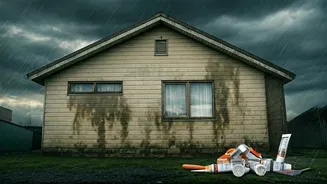
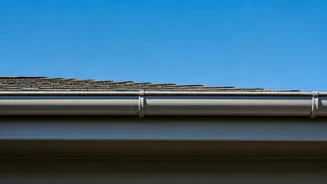
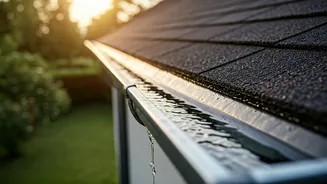
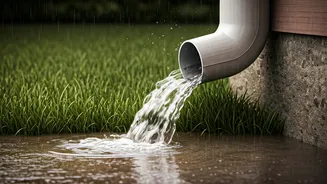
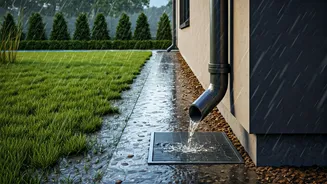
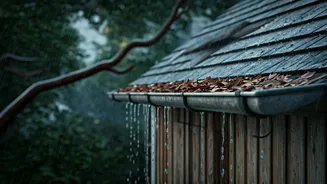
It’s the most classic piece of rainy-day advice for a reason. Clogged gutters don't just cause those picturesque waterfalls over your front steps; they direct a torrent of water exactly where you don’t want it: into your roofline, behind your siding,
and down against your foundation. Over time, this can lead to rotted wood, damaged fascia boards, and even costly foundation issues. Grab a sturdy ladder, a pair of gloves, and a bucket. Scoop out leaves, twigs, and other debris until water can flow freely. Then, use a hose to flush the downspouts. If water backs up, you may have a clog deeper in the spout that needs to be snaked out. This single task is the number one defense against a cascade of water-related problems.
Check Your Grading and Foundation
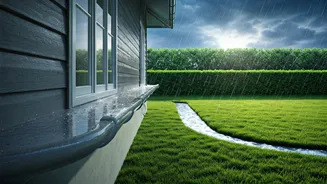
Water's goal is to find the path of least resistance, and you want to make sure that path leads away from your house. Take a walk around your home’s perimeter. Does the soil and landscaping slope away from the foundation? It should drop at least two to three inches over the first ten feet. If you see low spots or areas where soil has settled against the house, you may have a problem. Over time, this can saturate the soil around your foundation, creating immense hydrostatic pressure that can lead to cracks, bowing walls, and a wet basement or crawl space. Rake soil to create a gentle slope. For more significant issues, you might need to bring in topsoil to build up the grade. While you’re down there, visually inspect the foundation for any new cracks and seal them with an appropriate concrete caulk or epoxy filler.
Inspect Window and Door Seals
Wind-driven rain is notorious for finding its way through the tiniest gaps. Your windows and doors are primary culprits. A failing seal not only lets in drafts that drive up your energy bills, but it also creates a direct path for water to seep into your walls, causing hidden mold and wood rot. Check the exterior caulking around your window and door frames. Is it cracked, brittle, or pulling away? If so, scrape out the old caulk and apply a fresh bead of high-quality, exterior-grade silicone caulk. Also, check the weatherstripping around the doors themselves. If you can see daylight or feel a draft when it’s closed, it’s time to replace it. It’s a cheap and easy fix that provides an immediate barrier against the elements.
Test Your Sump Pump
For anyone with a basement or crawl space, the sump pump is the unsung hero of the rainy season. But it's a mechanical device that can fail without warning—and you don't want to discover that failure in the middle of a downpour. Testing it is simple. First, make sure it’s plugged into a working ground-fault circuit interrupter (GFCI) outlet. Then, slowly pour a few gallons of water into the sump pit. The pump should kick on automatically, pump the water out, and then shut off. If it doesn’t activate, makes strange noises, or fails to shut off, it needs immediate attention from a plumber. That pre-storm test could be the difference between a dry basement and thousands of dollars in flood damage remediation.
Secure Loose Items Outdoors
Rainy seasons often come with high winds, turning your beautifully arranged patio into a collection of potential projectiles. A stray gust can send a patio umbrella into a window, knock a heavy grill into your siding, or send unsecured planters tumbling. Take a few minutes to survey your yard and deck. Move lightweight furniture, cushions, and umbrellas into a shed or garage. Ensure your grill cover is tightly secured, or move the grill itself to a more sheltered location against the house. Tie down or weigh down anything that could become airborne, like trash can lids or children’s toys. This simple sweep-up not only protects your own property from damage but also prevents your belongings from becoming a hazard to your neighbors.