




The Death of a Stigma
For years, serving pre-packaged food in India was seen as a culinary crime, a quiet admission of failure. It suggested you couldn’t cook, didn’t have time, or worse, didn’t care enough to make a ‘proper’ meal for your family. The joy of Indian food was intrinsically
tied to the labor—the chopping, the grinding, the patient stirring. A ready-made dal makhani or biryani was a shortcut that carried a hint of shame. But in the high-rise apartments of Mumbai, Bengaluru, and Delhi, that stigma is rapidly evaporating. A new generation of urban professionals, armed with disposable income and starved for time, is redefining what good food means. For them, a high-quality, beautifully packaged ready meal isn't a compromise; it's a smart, modern choice. It’s a flex—a subtle boast that your time is too valuable to be spent peeling onions, but your taste is too refined for junk food.
Gourmet in a Box
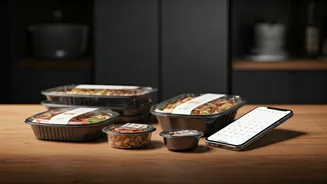
Forget the bland, salt-heavy instant noodles of the past. The new wave of Indian ready meals is a different beast entirely. We’re talking about restaurant-quality dishes that celebrate regional specificity and premium ingredients. Companies like ITC Master Chef and MTR are offering everything from Hyderabadi biryani and Goan fish curry to complex vegetarian dishes that would take hours to replicate from scratch. Newer, direct-to-consumer brands are pushing the envelope even further, with organic, preservative-free options and chef-driven recipes. The packaging itself is part of the appeal. Sleek, minimalist designs have replaced garish, unappetizing photos. The act of opening a vacuum-sealed pouch of homestyle rajma (kidney bean curry) or a retort-packaged palak paneer (spinach and cottage cheese) has been elevated from a moment of convenience to a small, curated experience. It’s the culinary equivalent of swapping a clunky PC for a MacBook: the function is similar, but the form factor changes everything.
The New Urban Reality
This trend isn't happening in a vacuum. It’s a direct consequence of India’s rapid urbanization and economic growth. Millions have moved to cities for work, living in smaller apartments with compact kitchens, far from the multi-generational family structures where cooking knowledge was passed down. Dual-income households are now the norm in the professional class, dismantling the traditional expectation that women are solely responsible for providing elaborate, home-cooked meals. For these young couples and single professionals, time is the ultimate luxury. After a 12-hour workday and a grueling commute, the choice is no longer between spending two hours cooking or ordering a greasy pizza. Now, there's a third option: a delicious, reasonably healthy, and authentically Indian meal that’s ready in ten minutes. This isn't laziness; it's life optimization. It's a recognition that an hour saved from the kitchen can be better spent on a work project, a side hustle, a gym session, or simply decompressing.
A Flex on Traditional Values
Ultimately, the rise of the ready meal is a story about changing values. The ‘flex’ isn't just about having the money to buy a $5 meal; it’s about embracing a mindset that prioritizes personal time and modern solutions over traditional duties. Serving a high-end ready-made biryani is a statement. It says, 'I appreciate good food, but I also appreciate my freedom.' It quietly challenges the age-old assumption that effort in the kitchen is the primary measure of love and care. As this market continues to boom, it’s signaling a monumental shift in Indian domestic life. It reflects a culture in transition, where a growing segment of the population is crafting a new, hybrid identity—one that honors its rich culinary heritage but refuses to be constrained by it. The low-effort meal has become a high-impact symbol of what it means to be modern, ambitious, and hungry in today's India.