

Meet the Probiotics: The Good Guys
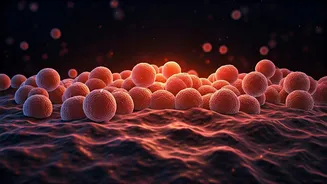
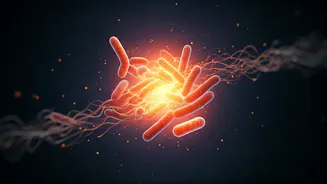
You’ve almost certainly heard of probiotics. They’re the rock stars of the digestive health world, found in everything from yogurt to pricey supplements. Think of probiotics as the “good” live bacteria and yeasts that already live in your body, particularly
in your gut. They’re the friendly residents of your gut microbiome, a complex ecosystem that plays a huge role in your overall health. When you consume probiotics—say, by eating a cup of Greek yogurt or drinking kombucha—you’re essentially sending in reinforcements. These beneficial microorganisms help maintain a healthy balance in your gut, crowding out harmful bacteria, aiding digestion, and supporting your immune system. This balance is crucial. When it’s thrown off by things like stress, a poor diet, or a course of antibiotics, you can experience digestive issues, bloating, and other discomforts. Probiotics help restore order to that inner world.
Enter Prebiotics: The Fuel for the Good Guys
This is where most people get a little fuzzy. If probiotics are the heroes, prebiotics are their secret weapon. Prebiotics are not bacteria; they are a type of plant fiber that your body can’t digest. So what good are they? Instead of being broken down by your digestive system, they travel to your lower digestive tract where they act as food for the good probiotic bacteria. Think of it like a garden. Probiotics are the seeds you plant, but for those seeds to grow and flourish, they need high-quality fertilizer. Prebiotics are that fertilizer. They selectively nourish the beneficial bacteria, helping them multiply and do their job more effectively. Without a steady supply of prebiotics, your probiotic population can struggle to thrive. This crucial detail is why the wellness conversation is shifting from just probiotics to the partnership between the two.
The Power of a Symbiotic Partnership
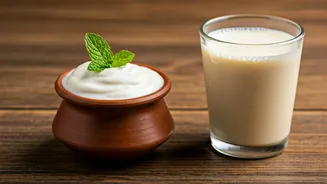
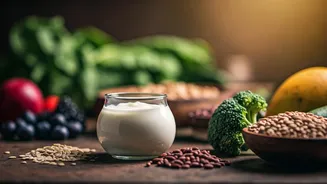
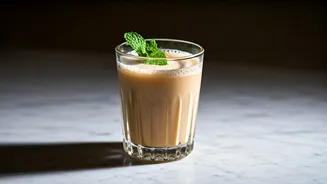
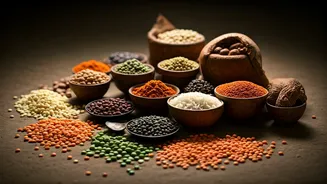
When you consume both prebiotics and probiotics, you create a “synbiotic” effect. It’s not just an additive relationship; it’s a multiplier. The prebiotics make the probiotics more resilient and effective, leading to a healthier and more robust gut microbiome. This partnership is what’s getting wellness experts excited, particularly in places like India, where traditional diets have long incorporated this wisdom without the trendy labels. Fermented foods like lassi (a yogurt drink) provide probiotics, while a diet rich in vegetables, legumes, and whole grains provides a steady stream of prebiotic fiber. This symbiotic approach is more effective for long-term gut health than just taking a probiotic pill and hoping for the best. It’s about building a supportive environment where good bacteria can flourish on their own, leading to better nutrient absorption, a stronger immune response, and even potential benefits for mental clarity and mood, as the gut-brain axis is a powerful connection.
How to Get Both in Your Diet
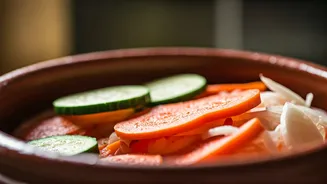
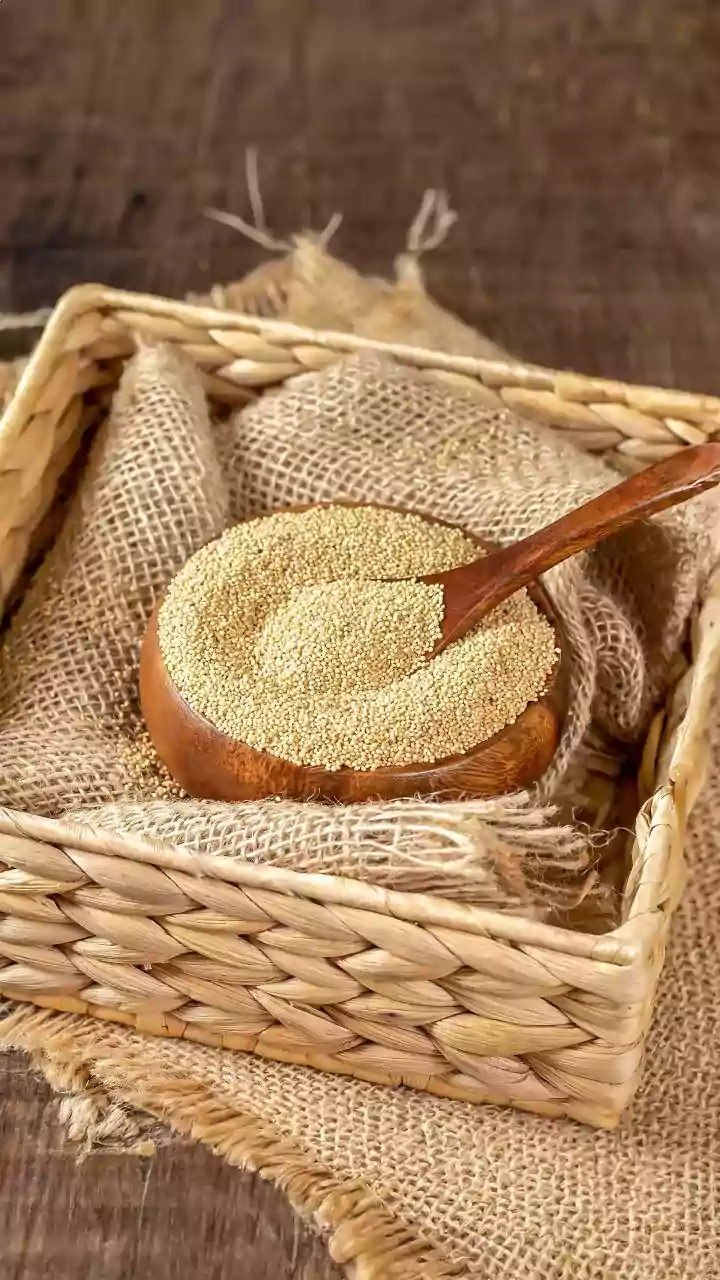
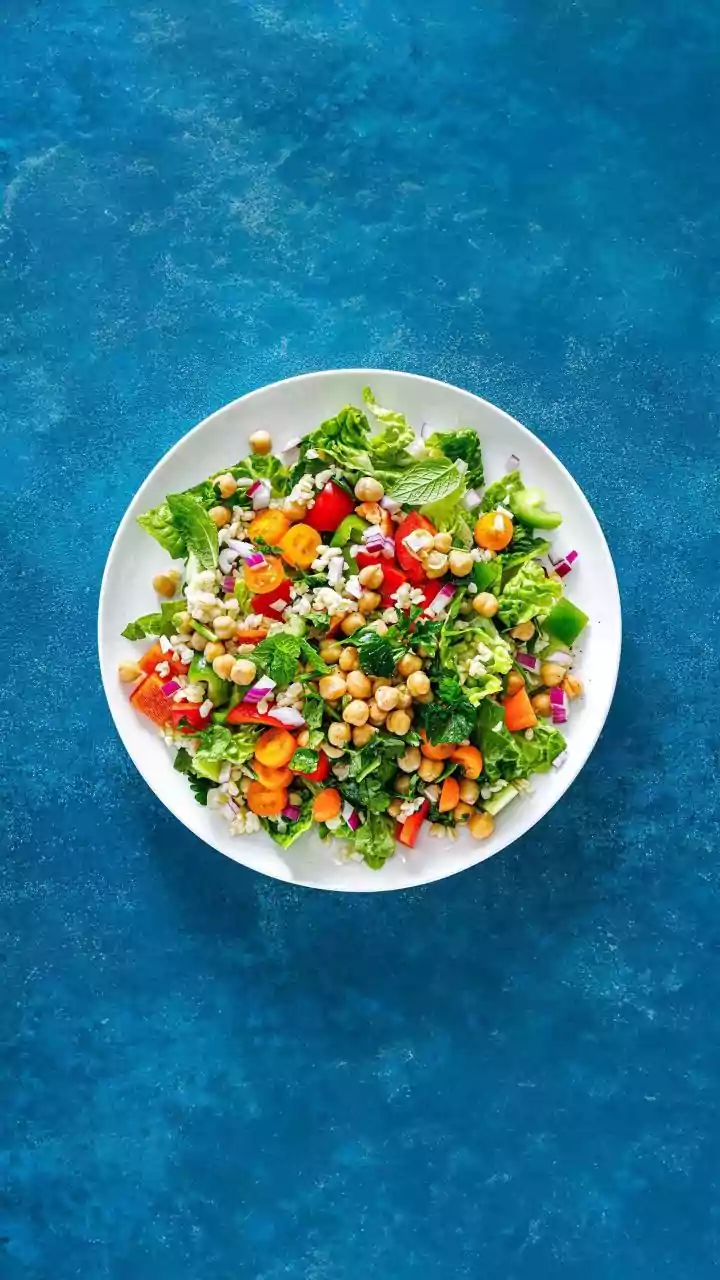
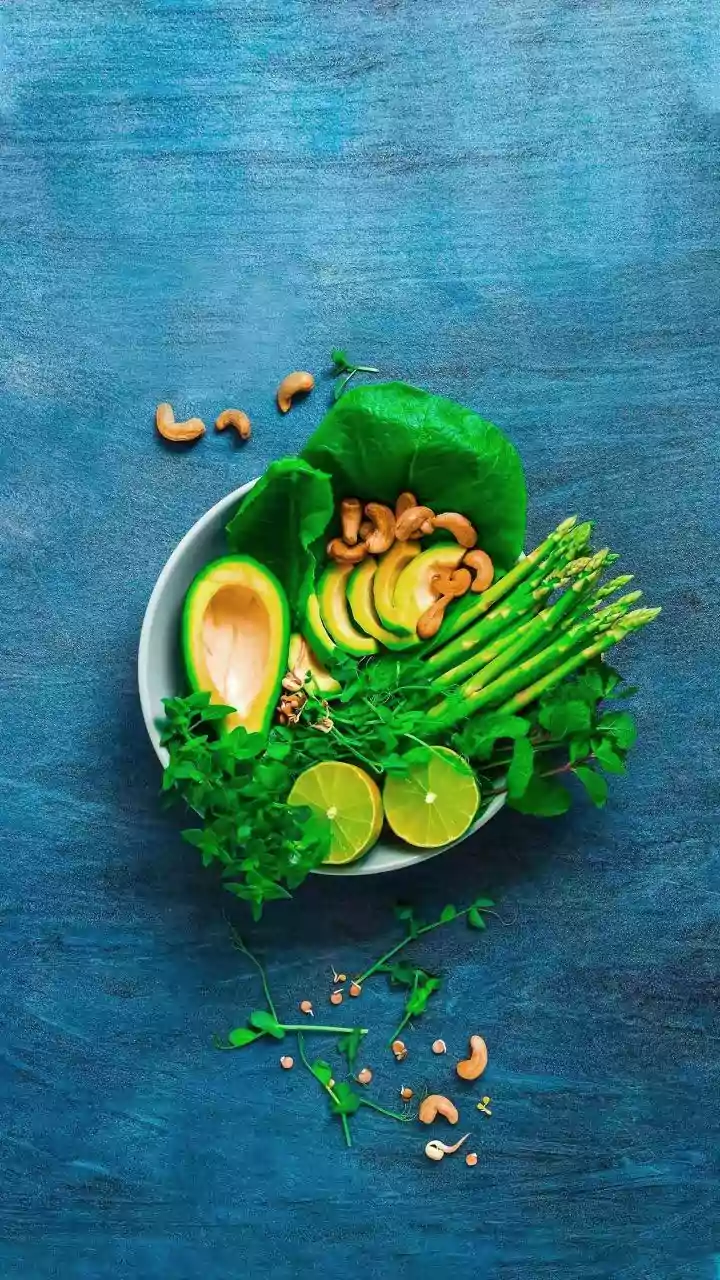
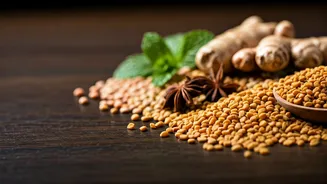
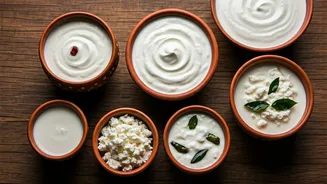
The good news is you don’t need expensive supplements to get the benefits. You can find prebiotics and probiotics in delicious, everyday foods. For Probiotics (the bacteria): Look for fermented foods where the live cultures are still active. Top sources include: - Yogurt (check for “live and active cultures”) - Kefir (a fermented milk drink) - Sauerkraut (unpasteurized) - Kimchi - Kombucha - Miso For Prebiotics (the food for the bacteria): These are all about fiber-rich plants. Some of the most potent sources include: - Garlic, onions, and leeks - Asparagus - Bananas (especially when slightly green) - Oats - Apples - Chicory root - Dandelion greens - Whole grains The goal isn't perfection, but variety. Try a breakfast of oatmeal with banana and a side of yogurt, or add some kimchi to your rice bowl with stir-fried onions and asparagus. By consciously including both types of foods, you’re giving your gut the complete toolkit it needs to thrive.