
The Opposite of Instagram Bait
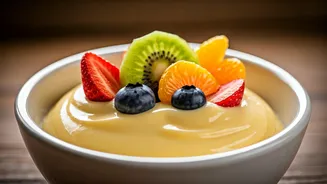
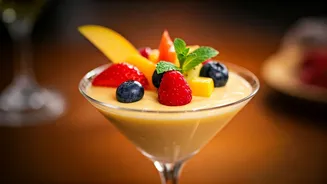
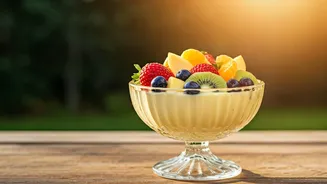
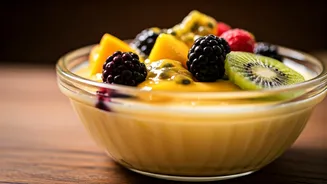
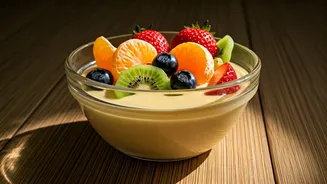
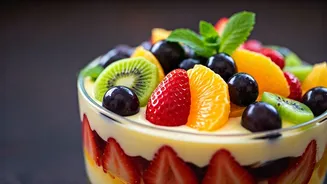
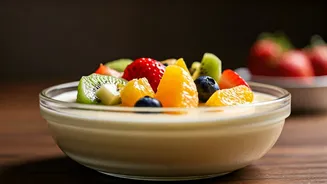
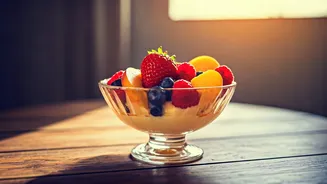
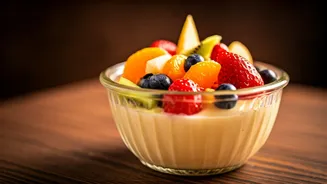
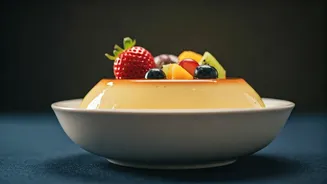
Picture it: a glass bowl, cool to the touch, filled with a pale yellow, wobbly cream. Suspended within are jewels of fruit—maybe chunks of canned peaches, mandarin oranges, halved grapes, or a technicolor fruit cocktail mix. There’s no artful drizzle,
no dusting of exotic spice, no edible flower placed just so with tweezers. This is fruit custard, and it is the antithesis of a dish designed for social media. Its beauty lies not in its aesthetics but in its texture and taste: the smooth, vanilla-scented custard giving way to a soft burst of sweet fruit. It’s a dessert from a time before everyone was a food photographer. It wasn’t made to be ‘grammed; it was made to be eaten, shared, and enjoyed without an ounce of pretense. In a culinary landscape saturated with foods that perform for the camera, fruit custard’s plainspoken charm feels downright revolutionary.
A Potluck and Picnic Staple
For generations of Americans, fruit custard is the taste of community. It’s the dish that always showed up at the church potluck, the summer picnic, or the family holiday gathering. Often made with Bird's Custard Powder (an iconic British import that became a pantry staple in the U.S.) or a simple stovetop recipe of eggs, sugar, and milk, it was affordable, easy to scale for a crowd, and universally loved by kids and adults. Alongside its cousins—ambrosia salad, Jell-O molds, and trifle—fruit custard belongs to a specific chapter of American culinary history. It speaks of post-war pragmatism, utilizing canned and pantry goods to create something special. It wasn’t fancy, but it was reliable. It was the dessert that signaled comfort and togetherness, a sweet, creamy anchor on a long, folding table laden with Tupperware.
The Craving for Comfort
So why is this unassuming dessert having a moment now? The answer is simple: we’re exhausted. We live in a world of endless optimization, complex supply chains, and digital noise. In response, there’s a powerful cultural pull toward things that are simple, reliable, and authentic. It’s the same impulse that drives the ‘cozy gaming’ trend, the obsession with cottagecore aesthetics, or the resurgence of low-fi hobbies like knitting and baking sourdough. Fruit custard is the culinary embodiment of this feeling. It offers no challenge. It demands no sophisticated palate. It simply delivers a straightforward, delicious experience that connects us to a less complicated time. Each spoonful is a direct line to memories of childhood, of grandparents’ kitchens, and of gatherings where the food was secondary to the company. In a world that often feels chaotic, the predictability of fruit custard is a profound comfort.
No Glow-Up Necessary
Unlike other retro revivals, the beauty of fruit custard’s comeback is that it requires no modern makeover. While a high-end restaurant might create an ‘elevated’ version with house-made vanilla bean custard and exotic fresh fruits, its true power remains in its original form. Food bloggers and TikTok creators aren't deconstructing it; they're recreating the exact dish their grandmother used to make, right down to the can of Del Monte Fruit Cocktail. The appeal isn’t in reinventing it but in preserving it. The nostalgia isn't just for the flavor, but for the simplicity of its preparation and the humility of its presentation. It’s a culinary heirloom, passed down not through fussy techniques but through a shared, uncomplicated pleasure. It proves that some things are best left exactly as we remember them.