






What Exactly Is 'Smart Comfort'?
Forget the clunky, complicated systems of early home automation. Today’s “smart comfort” isn’t about having a house that talks back like a sci-fi movie character. It’s about creating an environment that quietly anticipates and responds to your needs,
making life more efficient, secure, and, well, comfortable. Think of it as a subtle upgrade to your daily rhythm. It’s the thermostat that learns your schedule and warms the house just before you wake up. It’s the lights that automatically dim for movie night or turn on as you pull into the driveway. It’s the peace of mind from checking your front door lock from an app while you’re on vacation. This isn't one single gadget; it's an ecosystem of connected devices working in the background to smooth out the rough edges of daily life.
The Tech That Finally Broke Through
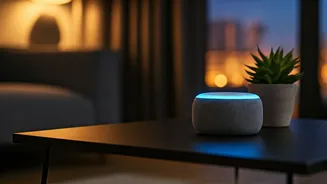
So what pushed this trend from niche hobby to neighborhood norm? A few key pieces of technology became so affordable and user-friendly that they were hard to ignore. The first was the smart thermostat. Devices like the Google Nest and Ecobee transformed a boring utility dial into an intelligent, energy-saving hub that often paid for itself in a couple of years. Next came the smart speaker. Amazon's Alexa and Google Assistant provided a frictionless way to control everything with your voice, eliminating the need to fumble with a dozen different apps. Suddenly, anyone could say, “Hey Google, turn on the kitchen lights,” and it just worked. Finally, accessible smart lighting, security cameras, and video doorbells offered tangible benefits—convenience and safety—that people were willing to invest in. These weren't just toys; they were practical solutions to everyday problems.
Why Is This All Happening Now?
Three major forces aligned to bring smart comfort to the masses. The most significant driver is cost. Technology that cost thousands of dollars a decade ago is now available for a few hundred. A capable smart thermostat can be had for under $150, and a set of smart bulbs might only cost $20. The second force is simplicity. The rise of voice assistants and vastly improved apps removed the technological barrier to entry. You no longer need to be a programmer to set up a routine; you just follow a few simple steps on your phone. The third factor is a cultural shift. With rising energy costs, homeowners are more motivated than ever to find efficiencies. At the same time, homebuilders have started including smart features like thermostats and keyless entry as standard amenities in new constructions, normalizing the technology for a new generation of buyers who now expect it.
Beyond Convenience and Into Quality of Life
While saving money on a utility bill is a great perk, the real promise of smart comfort goes deeper. For many, it's about accessibility. An elderly parent can use voice commands to control lights and temperature without having to get up, providing a new level of independence. For busy parents, a smart lock means no more lost keys or worrying if the kids locked the door on their way to school. This technology provides a sense of security and control that was previously unattainable. Knowing your smoke detector will alert your phone if you’re away, or being able to let a delivery driver place a package inside your garage, reduces daily anxieties. The “comfort” in smart comfort is as much about mental peace as it is about physical ease. It’s the feeling that your home is not just a passive shelter, but an active partner in keeping your life running smoothly.