
The New Restaurant Launchpad
For generations, the path to restaurant stardom was a high-stakes gamble. It meant securing a massive loan, signing a long-term lease, and spending months on construction, all before selling a single sandwich. The risk was enormous, and the failure rate
was notoriously high. Today, a new, leaner path has emerged, one that treats a food concept less like a cathedral to be built and more like a tech startup to be tested and iterated. This new model flips the script. Instead of front-loading all the risk, entrepreneurs can test their core product—the food itself—with minimal investment. The goal isn't to launch a perfect, fully-formed restaurant on day one. It's to find out if people actually want what you're cooking. This shift in strategy has been enabled by a perfect storm of cultural and technological change, turning weekend food fairs into the most important incubators in the culinary world.
The Perfect Testing Ground
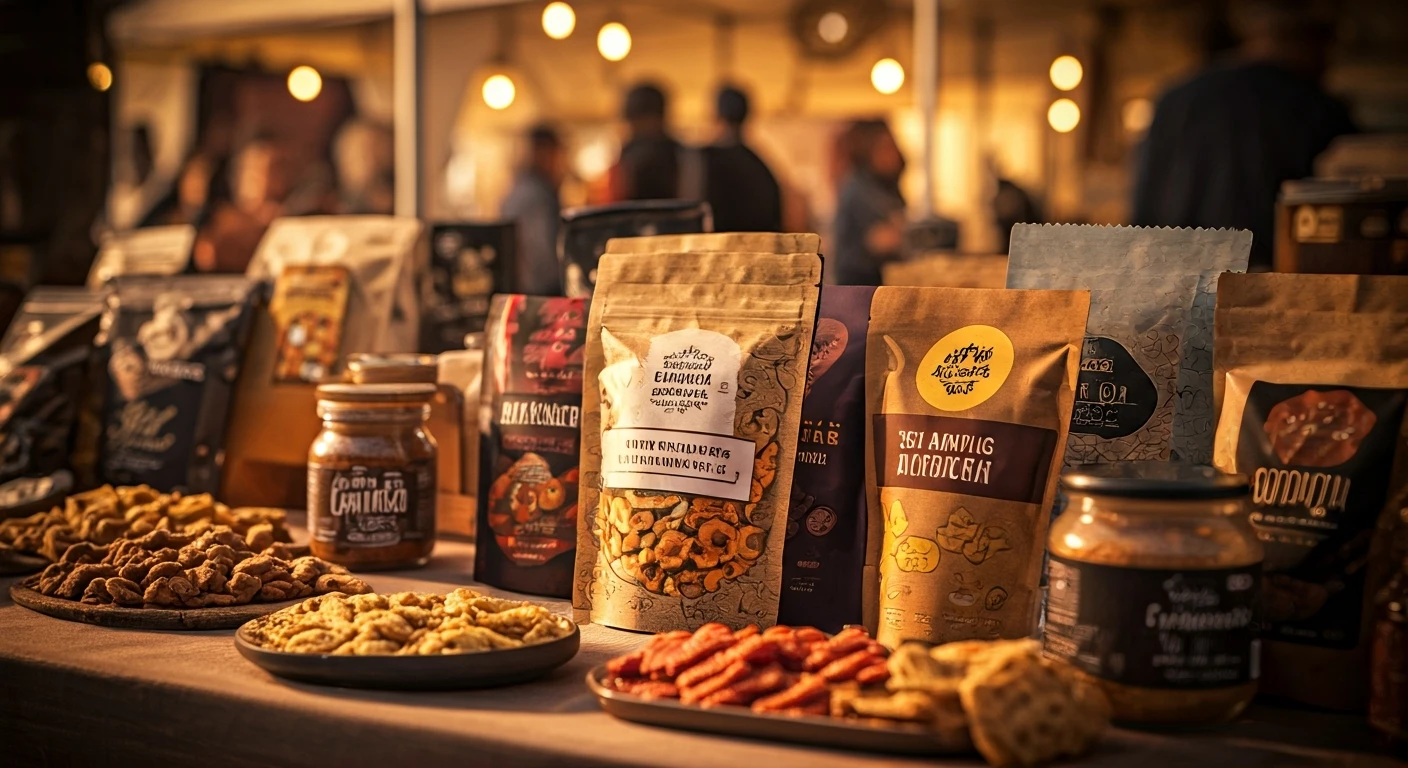
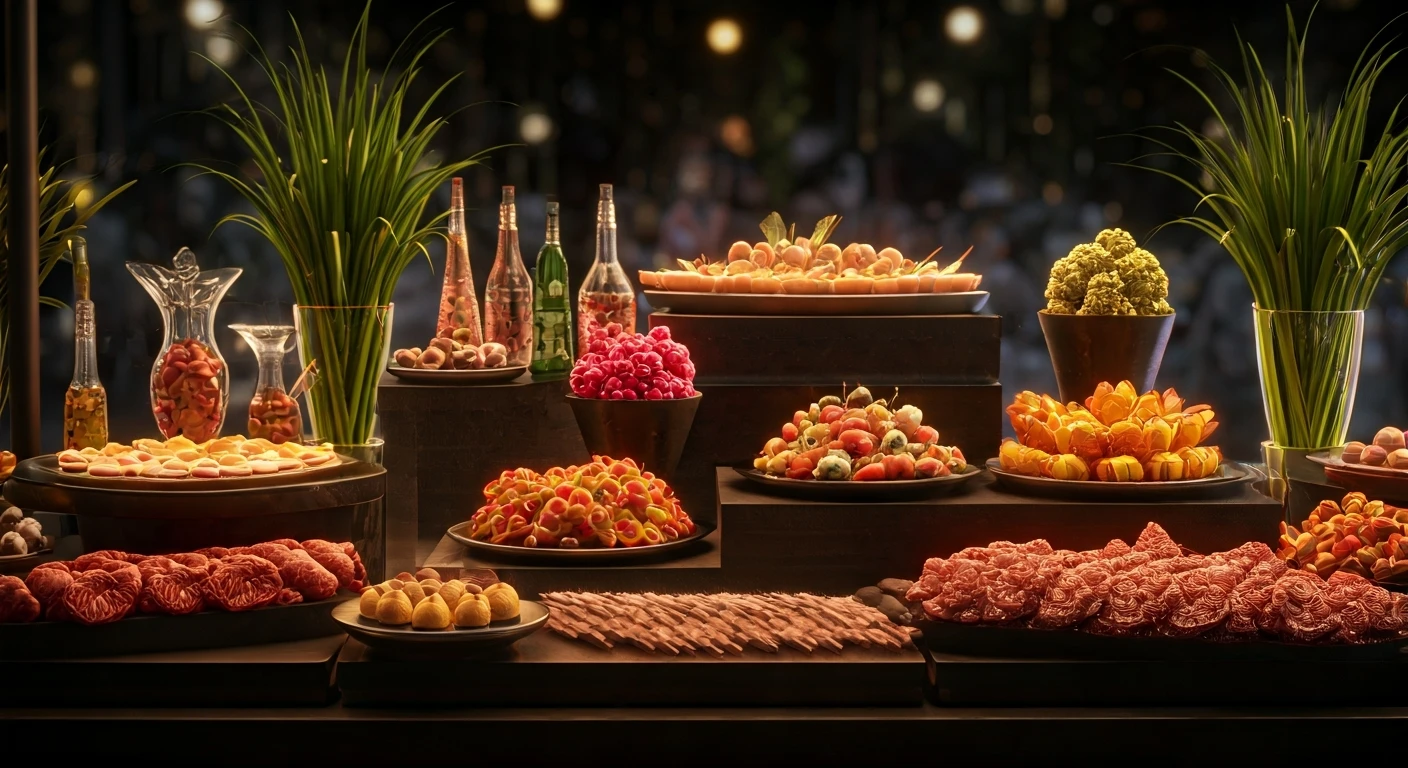
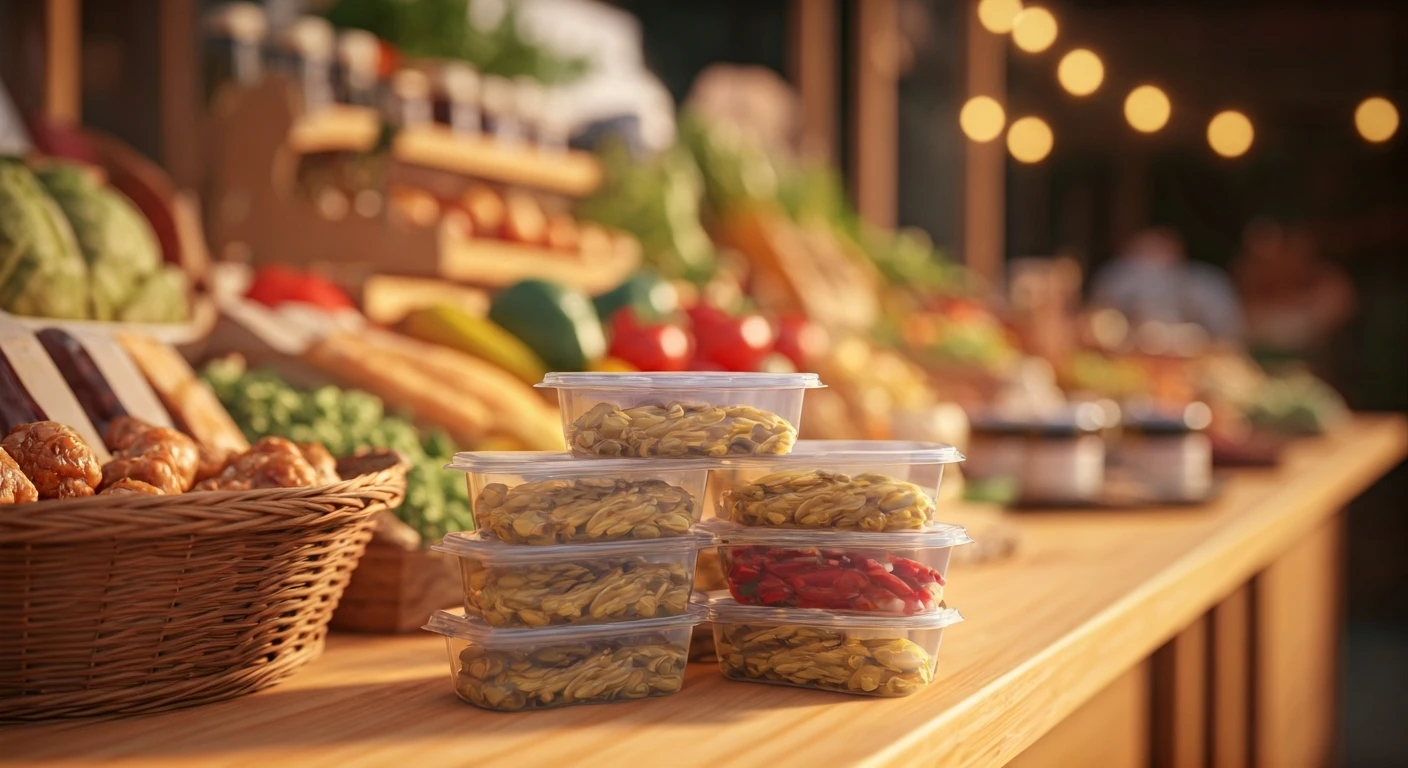
Enter the food festival. Events like Brooklyn's Smorgasburg, L.A.'s Smorgasburg, or any number of city-wide food markets have become the culinary equivalent of an open-mic night for future rock stars. For a few hundred dollars, a chef can rent a 10x10 tent for a weekend and gain access to thousands of hungry, adventurous eaters who are actively looking for the next big thing. It's a real-world focus group on steroids. Here, a food creator can test everything. Is the price point right? Is the dish 'grammable enough to generate free marketing? Can they prepare it quickly enough to handle a long line? The feedback is instant and brutally honest. If a crowd forms, you have a hit. If people walk by, it's back to the drawing board. Legends have been born this way. Keizo Shimamoto’s Ramen Burger, a global phenomenon, famously debuted at Smorgasburg in 2013, drawing hundred-person lines and creating a template for viral food success.
From Hype to Your Home
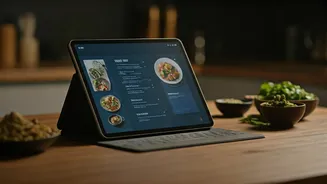
This is where the delivery apps come in. Companies like DoorDash, Uber Eats, and Grubhub are in a constant battle for user attention. They need a steady stream of new, exciting, and exclusive offerings to keep customers scrolling. A food concept that has already proven its appeal at a public event is a de-risked bet. It comes with built-in demand, social media buzz, and a validated product. These platforms provide the scaling engine. The food stall that could only serve a few hundred people in a day at a festival can now reach tens of thousands across a city via a ghost kitchen and a fleet of delivery drivers. The festival created the hype; the app provides the distribution infrastructure. The vendor doesn't need a beautiful dining room or a prime downtown location anymore. They just need a kitchen and a connection to the app's ordering system. This allows a viral hit from a weekend pop-up to become a city-wide delivery sensation in a matter of months, not years.
The Modern Foodie Gold Rush
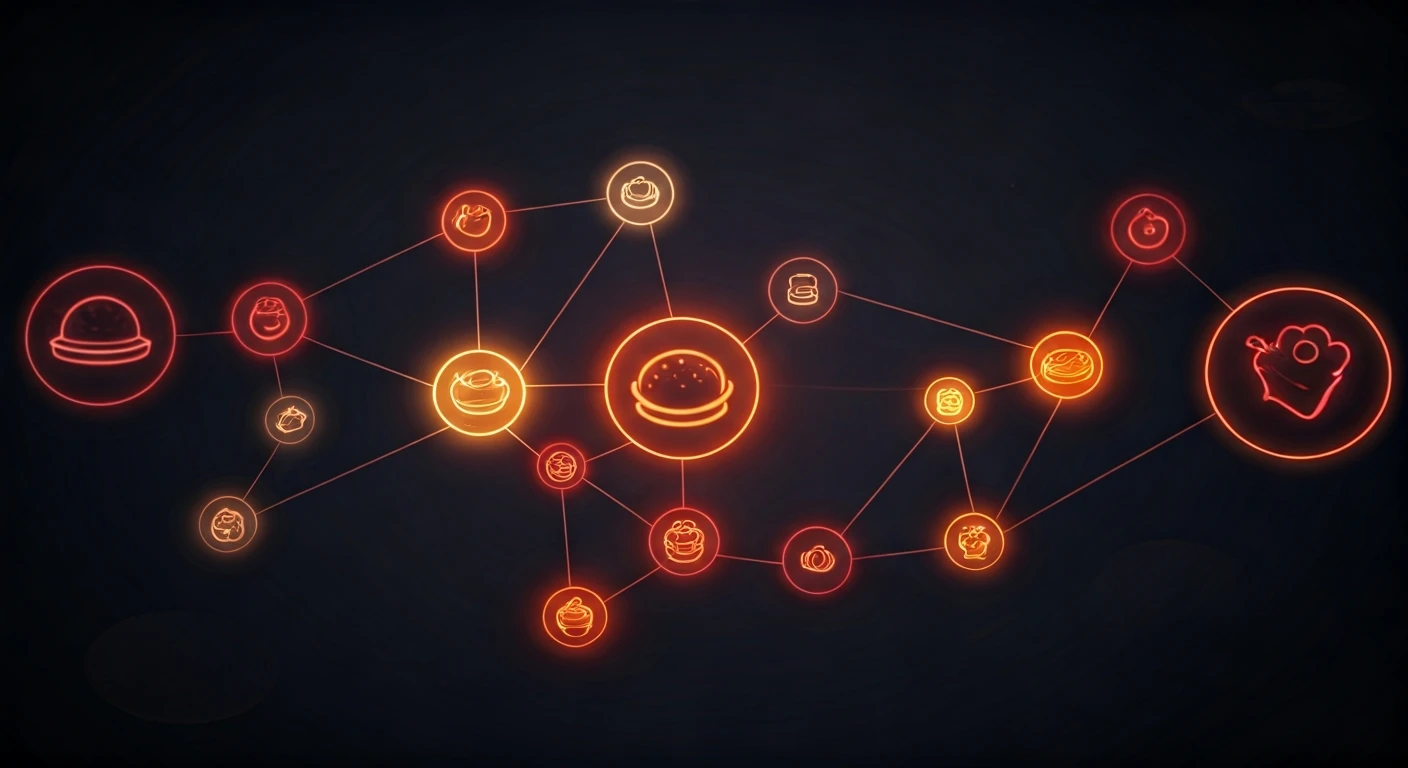
This pipeline—from festival tent to ghost kitchen to delivery app—has fundamentally changed the economics of starting a food business. It has lowered the barrier to entry, allowing for more experimentation and diversity in our food landscape. Your next favorite takeout spot might not have a physical address you can visit. It might be a brand that was born in a crowded field last summer, perfected based on the feedback of thousands of strangers, and now exists solely as an option on your phone. For the food entrepreneur, this is the new American dream. It’s a path to building a brand based on the quality of a single dish, not the size of a bank loan. And for us, the eaters, it means a constant, thrilling influx of new flavors delivered right to our door. The next time you order that wild-looking waffle or bizarrely-named taco, remember it likely began its journey not in a boardroom, but in a humble tent, with a long line of curious customers.