





The Trend: Back to Nature's Waterways
There’s a palpable shift in what we seek from a vacation. After years of screen-time and urban hustle, travelers are increasingly drawn to experiences that feel elemental and restorative. The common thread connecting rivers, forests, and mangroves is
the powerful combination of water and wilderness. These trips offer serene observation and gentle adventure, replacing city noise with the rustle of leaves and the flow of water. This trend reflects a deeper desire for “regenerative travel”—journeys that connect us to, and sometimes even help restore, the delicate ecosystems we visit. Tour operators are responding by bundling these immersive experiences.
The Allure of the River Journey
River travel, one of humanity’s oldest forms of exploration, is seeing a modern revival. Unlike massive ocean cruises, river journeys are intimate and slow-paced, offering a constantly changing landscape. Imagine gliding down a tributary of the Amazon, with rainforest sounds as your soundtrack, or navigating Portugal's Douro River past terraced vineyards. In the U.S., trips down the Columbia or Mississippi offer a cross-section of American geography. The appeal lies in the unique perspective; you see the world from its arteries, accessing remote villages and wildlife sanctuaries unreachable by road. It’s a journey, not just a destination.
The Deep Immersion of the Forest
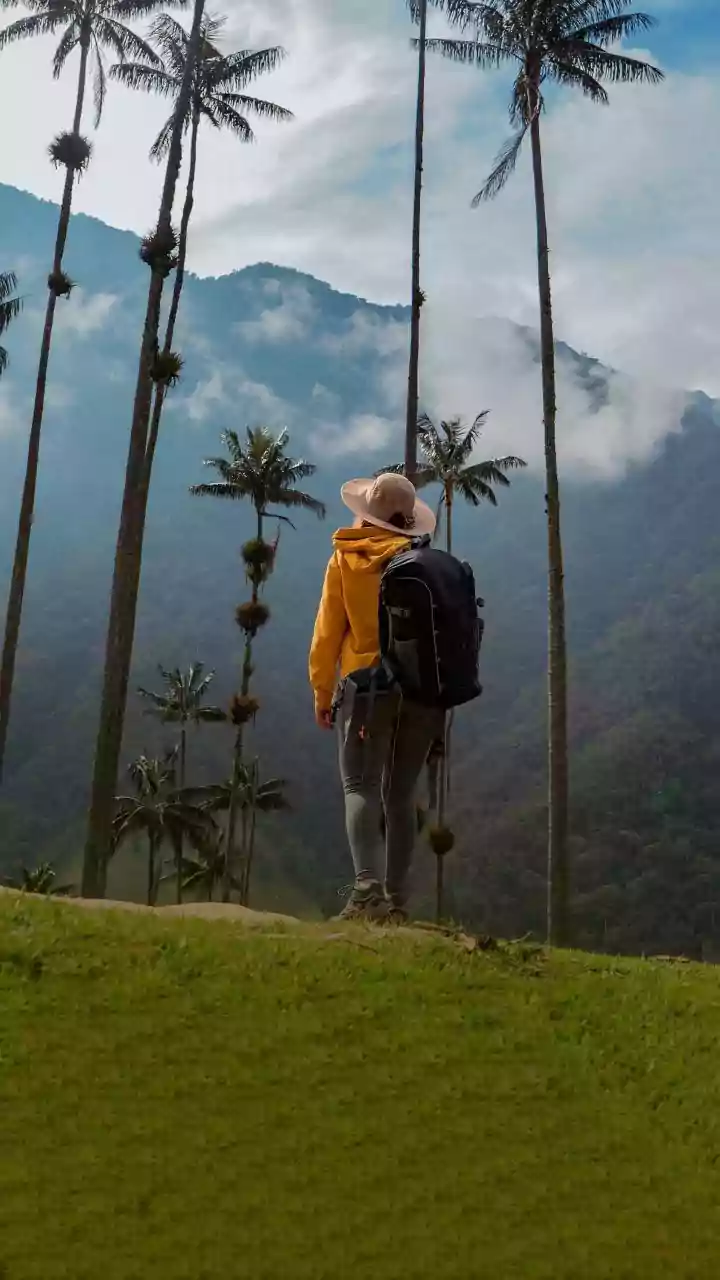
The forest is now a top destination for wellness. The concept of "forest bathing," or Shinrin-yoku, has gone global—the simple act of being calm and quiet amongst the trees to de-stress. But the trend goes beyond a simple walk. Travelers are booking stays in remote eco-lodges in Costa Rica's cloud forests or exploring California's ancient Redwood groves. These trips prioritize disconnection from digital life and reconnection with the physical world. They offer a chance to learn about local flora and fauna, spot elusive wildlife, and feel the profound peace that comes from being surrounded by ancient, living things.
The Unseen World of the Mangroves
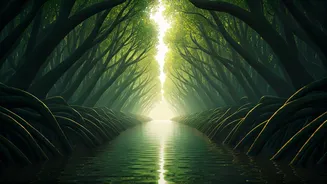
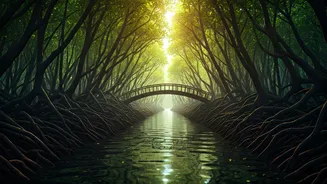
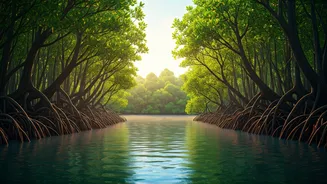
Mangroves are perhaps the most unique and least understood ecosystem of the three. These coastal forests, with their tangled roots rising from brackish water, are not swamps; they are vital, bustling nurseries for countless species of fish, birds, and crustaceans. Exploring them by kayak or a small, quiet skiff is like entering another world. In places like Florida’s Everglades or Mexico’s Yucatán Peninsula, you can paddle silently as herons fish nearby or spot manatees. A mangrove tour is a lesson in ecology, a thrilling adventure, and a reminder of the strange and beautiful forms life can take.
How to Plan Your Nature-First Trip
The beauty of this trend is that these experiences can often be found in the same region. A trip to a destination like Costa Rica, Belize, or even Florida can easily combine all three. You might spend a few days kayaking mangrove tunnels, move inland to a jungle lodge for forest hikes, and take a boat trip down a wildlife-rich river. When booking, look for tour operators with strong eco-credentials. Ask about their commitment to conservation and their support for local communities. The goal is to choose a journey that is as good for the planet as it is for your soul.