


A Legacy of Cool
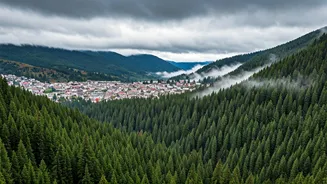
Before you even get to the “festive,” let’s talk about the “cool.” In June, while temperatures on the Indian plains can soar past 100°F, Shimla basks in pleasant weather often hovering in the 60s and 70s. This isn’t a recent discovery. For a century,
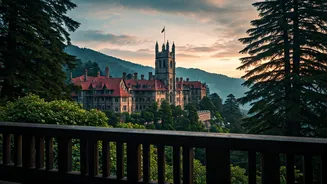
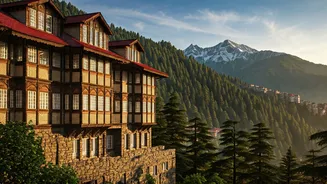
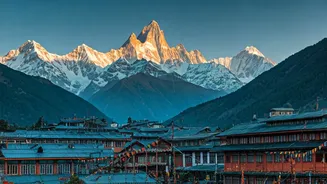
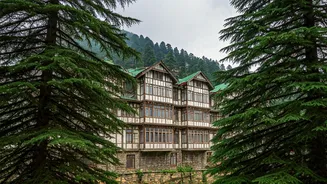
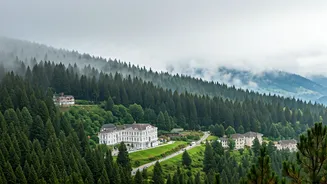
this was the official summer capital of the British Raj, the place where the entire colonial government would decamp from Delhi or Calcutta to escape the punishing heat. That history is etched into the very fabric of the city. The cool mountain air isn't just a weather pattern; it's the reason Shimla exists as we know it. The stately Victorian and neo-Gothic architecture, the winding roads, and the meticulously planned gardens were all designed to create a British highland town in the heart of the Himalayas. Walking its streets, you’re literally walking through a solution to a problem—a cool, green answer to a hot, dusty question.
The Summer Festival Ignites The Ridge
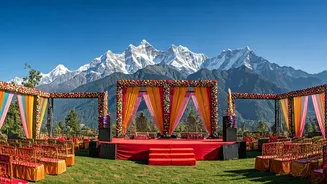
The centerpiece of Shimla’s festive June is the annual Shimla Summer Festival. Typically held in the first week of the month, this multi-day event transforms The Ridge—the city’s sprawling open-air hub—into a stage for culture, music, and community. Imagine strolling past the iconic Christ Church as the sun sets, the sky streaked with orange and pink, while the sounds of a live folk music performance echo across the square. The festival is a vibrant mix of local and national talent. You might see traditional Himachali dancers in their intricate woolen outfits one moment, and a popular Bollywood singer the next. Food stalls pop up, offering everything from local delicacies to street food favorites. It’s a family-friendly affair, drawing locals and tourists alike who come to soak in the lively, celebratory atmosphere that marks the official start of the summer season in the hills.
The Enduring Allure of The Mall
Running parallel to The Ridge is The Mall Road, the town’s main artery and a destination in its own right. This pedestrian-only thoroughfare is the social and commercial heart of Shimla. A walk along The Mall is a journey through time. On one side, you have modern storefronts, cafes, and bookshops. On the other, you see heritage buildings like the colonial-era Gaiety Theatre, which has hosted performances for over a hundred years. The absence of cars makes it a walker's paradise. People amble, chat, shop for wooden crafts, and sip coffee while gazing at the Himalayan peaks in the distance. In June, The Mall is buzzing with the energy of the summer crowds, yet it never feels overwhelming. It retains a sense of old-world decorum, a place where the simple act of taking a stroll is the main event.
Rides, Views, and Holy Heights
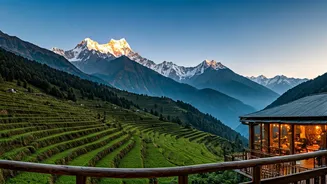
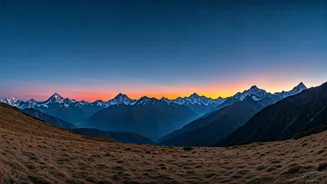
Shimla's appeal extends far beyond its central square. For a truly unique experience, the journey to the city can be as memorable as the destination itself. The Kalka-Shimla Railway, a UNESCO World Heritage Site, is a narrow-gauge “toy train” that slowly winds its way up the mountains through over 100 tunnels and across 800 bridges. It’s a marvel of early 20th-century engineering and offers breathtaking views. Once in Shimla, a short trek or cable car ride takes you to the Jakhu Temple, perched on the city’s highest peak. The temple is dedicated to the Hindu deity Hanuman, and a colossal 108-foot-tall statue of him stands watch over the valley. The panoramic views from the top are spectacular, offering a sweeping vista of the surrounding Himalayan ranges. Just be sure to hold onto your belongings—the temple's resident rhesus macaques are famously mischievous.