





The Comfort of a Memory
So, what exactly is “memory value”? Think of it as the edible-nostalgia-industrial complex. It’s the powerful, comforting feeling you get from a food that tastes exactly like you remember from childhood. For Americans, it might be the specific flavor
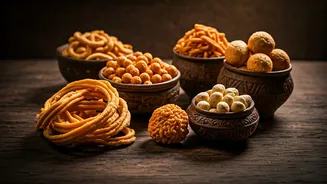
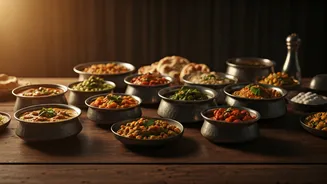
of a Girl Scout cookie or a Kraft Mac & Cheese dinner. In India, a country of staggering culinary diversity, this phenomenon is now a multi-billion dollar market driver. It’s not just about a flavor; it’s about a feeling. It’s the taste of a specific festival, a grandmother’s kitchen, or a summer vacation spent in a different state. These snacks are time machines, transporting consumers back to a simpler, more rooted moment in their lives through a familiar crunch or spice blend.
A Modern Craving for the Past
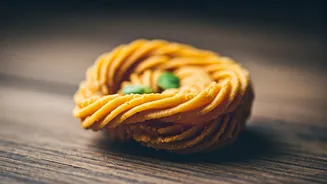
This trend isn’t happening in a vacuum. It’s a direct response to India’s rapid modernization and urbanization. Millions of young professionals have moved from their hometowns to bustling megacities like Mumbai, Bangalore, and Delhi for work. While their careers are moving forward, they often live far from their families and the specific cultural fabric of their home regions. The traditional ecosystem where mothers and grandmothers prepared intricate, time-consuming snacks has been disrupted. In its place is a void—an emotional and culinary gap that a generic potato chip can’t fill. Packaged snacks that perfectly replicate the taste of a homemade *chakli* (a spiral-shaped savory crisp) or a regional *thepla* (a soft, spiced flatbread) aren’t just food; they are a cure for homesickness and a connection to a personal history that feels increasingly distant.
From Grandma's Recipe to Big Business
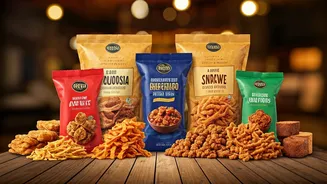
Where there’s a consumer craving, a business opportunity is never far behind. An entire industry of startups and Direct-to-Consumer (D2C) brands has emerged to cater to this nostalgia. Companies with names that evoke authenticity and tradition are professionalizing regional recipes that were once confined to family kitchens. They offer clean packaging, quality control, and the convenience of online ordering, effectively delivering “grandma in a box” to doorsteps across the country. Legacy giants are taking notice. Companies like PepsiCo (with its Indian-centric Kurkure line) and national snack behemoth Haldiram's have always played on traditional flavors. But now they face fierce competition from nimble startups that offer hyper-specific regional tastes, forcing the big players to innovate, acquire, or risk being seen as inauthentic.
A Bite of Regional Identity
Ultimately, the demand for memory value is also a powerful expression of identity. In a globalized world, there's a growing desire for things that are specific, authentic, and local. Someone from the southern state of Kerala doesn't just want a generic “Indian” snack; they want the specific taste of a banana chip fried in coconut oil, just like they had growing up. A person from Gujarat in the west wants the tangy, sweet flavor of a *khakhra* (a thin, cracker-like snack). These new-age snack companies are succeeding because they aren’t just selling a product. They are selling cultural pride and a sense of belonging. By championing regional recipes, they validate local traditions and allow consumers to wear their heritage on their snack sleeve, so to speak. It’s a reminder that even in a flat world, people still hunger for the flavors of home.